Matawa chiefs declare a wildfire emergency and call for immediate federal and Ontario support
THUNDER BAY — The Matawa Chiefs Council has declared a state of emergency and is calling on the governments of Canada and Ontario to immediately strengthen their response to the escalating wildfire situation across northern Ontario.
The Chiefs say extreme heat and new fires developing across the region are placing residents of Matawa’s nine remote and road-access First Nations at growing risk. Their concerns include public health, possible evacuations, power disruptions and threats to essential infrastructure and community supply chains.
Chiefs Call for Co-ordinated Federal and Provincial Intervention
The Matawa Chiefs Council is asking Canada and Ontario to appoint a dedicated emergency contact and establish a joint response group involving Matawa and Ontario’s Provincial Emergency Operations Centre.
The group would remain in place until Matawa member First Nations determine that the emergency has ended.
“The lives and safety of all of our community members are being put at risk,” the Chiefs said in their declaration.
The council said the response must be capable of operating around the clock and must work directly with First Nation leadership as fire conditions continue to change.
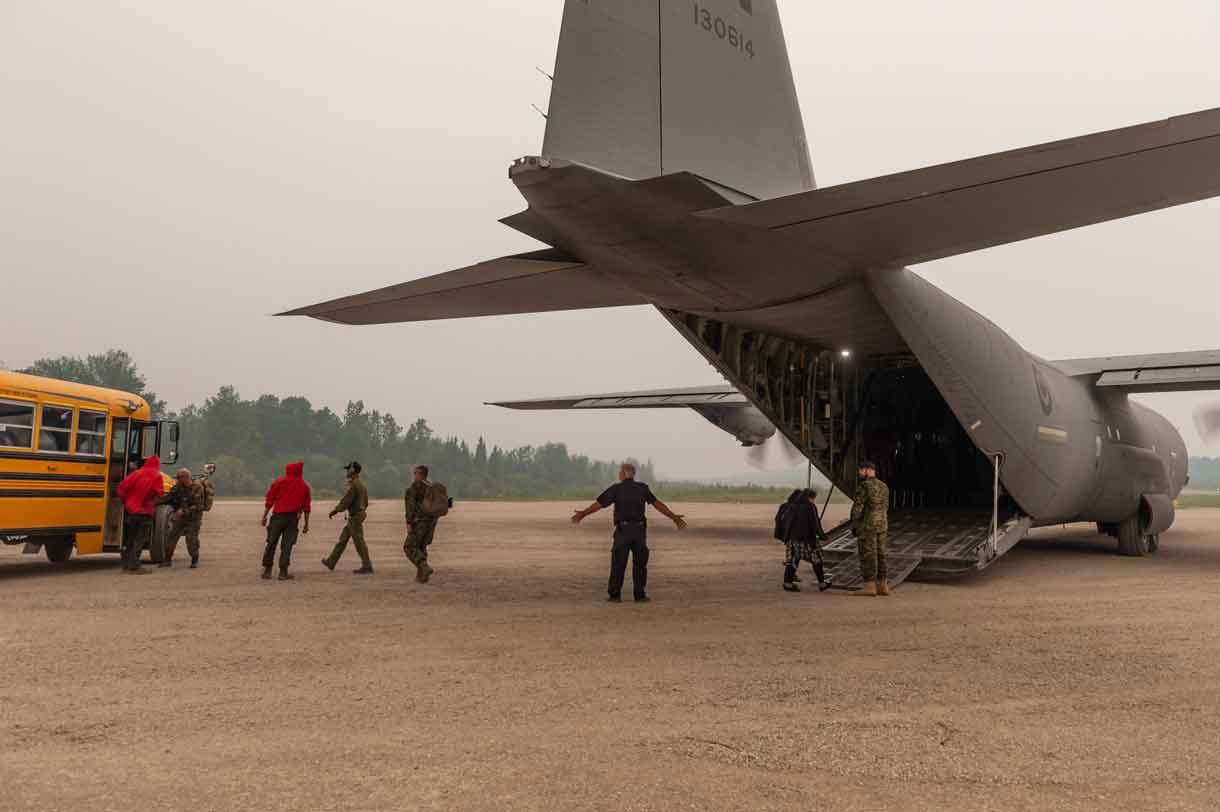
The chiefs are also calling for governments to prepare for the possible immediate deployment of the Canadian Armed Forces, Canadian Rangers, Canadian Red Cross and additional emergency personnel.
Communities Face Risks to Power, Food and Essential Services
Matawa leaders warned that wildfires and extreme temperatures could affect the infrastructure required to keep northern communities functioning.
Potential impacts identified by the chiefs include:
Power outages
Interruptions to food, fuel and other supply chains
Damage to homes and essential community buildings
Disruptions to grocery stores and fuel supplies
Risks to drinking water and wastewater systems
Reduced airport operations
Challenges for local emergency operations
Failures affecting community-wide radio communications
These risks can be especially serious in remote First Nations where aircraft may be the only reliable means of transporting residents, emergency personnel, medical supplies and food.
Many northern communities also depend on a limited number of power, communications and water systems. Damage to a single piece of infrastructure can affect the entire community.
Support Sought for Evacuations and Emergency Costs
The chiefs are demanding that Canada and Ontario cover evacuation-related expenses and the cost of emergency supplies required by First Nations and their members.
Evacuations from remote communities can require extensive logistical support, including aircraft, ground transportation, temporary accommodations, meals, medical services and culturally appropriate supports.
The Matawa Chiefs Council is also seeking commitments to address damage to homes, community buildings and infrastructure caused by wildfires.
The declaration emphasizes that First Nations should not be left to absorb costs resulting from emergency measures taken to protect residents.
First Nations Seek a Direct Role in Emergency Decisions
A central demand from the chiefs is the creation of an emergency structure that includes Matawa representatives and maintains direct communication with affected First Nations.
The request reflects longstanding concerns among Indigenous leaders that emergency responses designed outside their communities may not adequately account for local geography, culture, health needs or transportation limitations.
Community leadership is often best positioned to identify which residents require additional assistance, including elders, children, people with disabilities and residents with medical conditions.
A direct Matawa role would also help co-ordinate local evacuation planning, transportation, emergency communications and decisions about when residents can safely return home.
Wildfire Emergencies Have Unequal Impacts on Remote Communities
Wildfire evacuations can have long-lasting effects on northern First Nations.
Residents may be transported hundreds of kilometres away and housed in several different communities. Families can be separated, while access to medical care, education, traditional foods and community supports may be disrupted.
Elders and people with chronic health conditions may be especially vulnerable to wildfire smoke and the stress of displacement.
Long-distance evacuations can also place pressure on host communities, hotels, health-care services and emergency organizations in Thunder Bay and other northern Ontario centres.
For Thunder Bay, a large-scale evacuation could mean the rapid arrival of residents requiring accommodations, health services, transportation, food and culturally appropriate assistance.
Canadian Rangers Could Provide Local Capacity
The Matawa Chiefs Council identified the Canadian Rangers as one of the organizations that could be deployed if additional emergency support is required.
Canadian Rangers serve in remote, northern and coastal communities and often provide local knowledge, transportation assistance, wellness checks and logistical support during emergencies.
The chiefs also identified the Canadian Armed Forces and Canadian Red Cross as potential sources of additional personnel and resources.
Any deployment would require co-ordination with First Nation leadership and the appropriate federal and provincial authorities.
Extreme Heat Adds to Public-Health Concerns
The chiefs said the wildfire threat is being compounded by high temperatures.
Extreme heat can increase health risks for elders, young children and people with respiratory, heart or other medical conditions. Smoke can add another layer of risk by reducing air quality in communities located both near and far from active fires.
Power interruptions during extreme heat could affect refrigeration, medical equipment, communications and the ability of community buildings to provide safe indoor spaces.
The combination of heat, smoke and isolation makes early planning particularly important for remote First Nations.
Emergency Situation Remains Fluid
The Matawa Chiefs Council said federal and provincial intervention is needed as fires continue to emerge across northern Ontario.
The situation remains subject to rapid change based on temperature, wind, rainfall, lightning and the availability of firefighting resources.
The chiefs are seeking immediate government commitments rather than waiting until individual communities face direct fire threats or emergency evacuations.
Matawa member First Nations will determine when the state of emergency can be lifted.
Residents should continue following information from their First Nation leadership and official emergency management authorities as the wildfire situation develops.