Ontario changes OW and ODSP eligibility for temporary residents and people without legal status
TORONTO — Ontario has changed eligibility rules for its two main social assistance programs, immediately excluding people who are not legally authorized to remain in Canada and people in Canada on a temporary basis, including many students, workers, visitors and tourists.
The Ford government says the changes to Ontario Works and the Ontario Disability Support Program are intended to protect public funds and clarify who qualifies for provincially funded assistance.
For Thunder Bay and Northwestern Ontario, the new regulations will affect how social assistance administrators assess immigration status when determining eligibility. The District of Thunder Bay Social Services Administration Board delivers Ontario Works throughout the Thunder Bay District.
Ontario Says New Eligibility Rules Take Effect Immediately
The province says it has amended regulations under the Ontario Works Act, 1997 and the Ontario Disability Support Program Act, 1997.
Under the changes announced Thursday, Aug. 13, people who are not legally authorized to live in Canada will not qualify for Ontario Works or ODSP.
The province also says people legally authorized to remain in Canada only temporarily will not be eligible. The government specifically cited people with student visas, work permits and visitor or tourist status as examples.
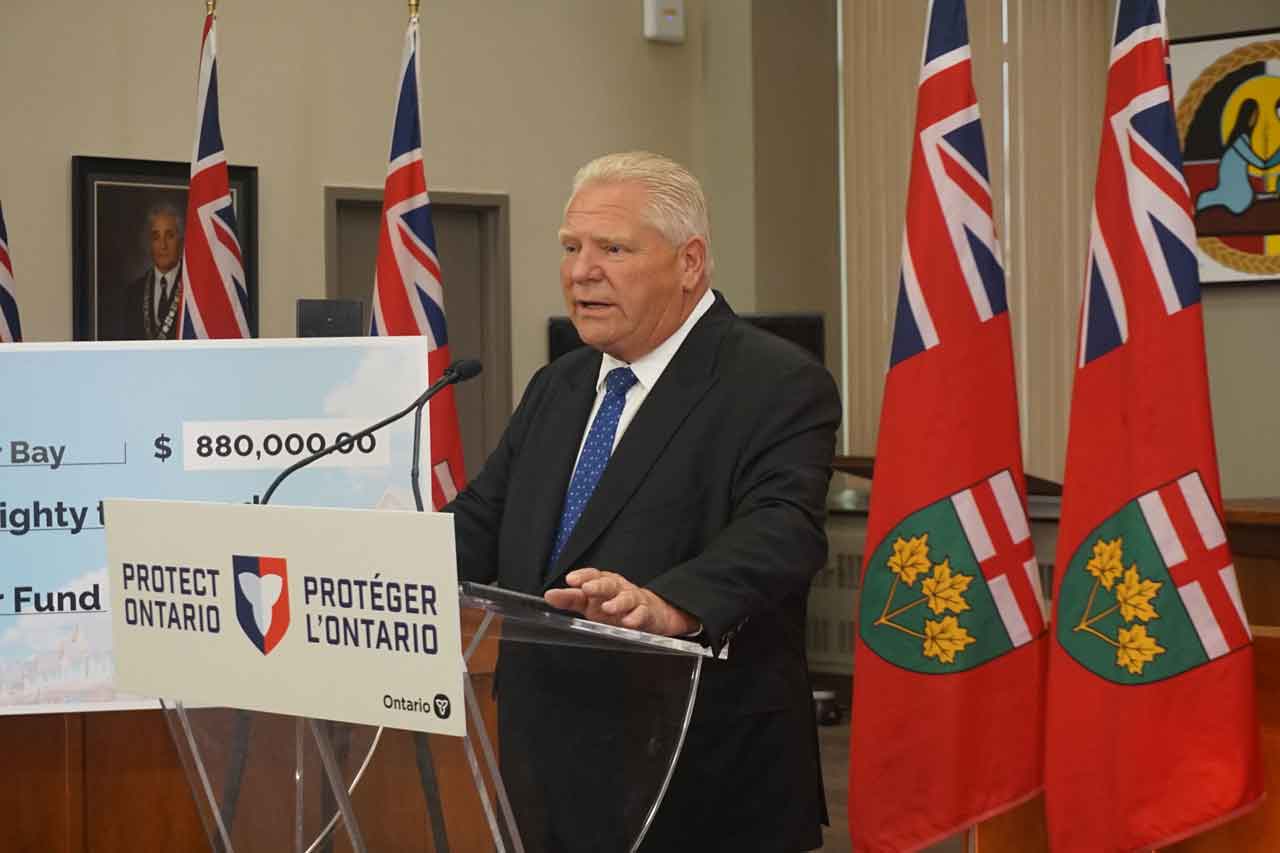
“Taxpayer-funded social assistance should not go to people living in Canada illegally,” Children, Community and Social Services Minister Michael Parsa said in announcing the change.
Parsa said the government wants Ontario Works and ODSP focused on people facing financial hardship who meet provincial eligibility requirements.
The government announcement does not provide a complete list of how every immigration category will be treated under the revised regulations. Individuals with refugee claims, permanent-residence applications or other immigration circumstances should confirm their eligibility based on their specific status rather than assuming the new rules apply in the same way to every non-citizen.
Change Follows Debate Over Ontario Works Eligibility
The move follows controversy this summer over a Social Benefits Tribunal decision involving a person living in Canada without legal status who was found eligible for Ontario Works under the rules then before the tribunal.
Federal Conservatives subsequently called for changes, supporting Premier Doug Ford’s position that provincial social assistance should not be available to people living in Canada without legal status.
The new regulations represent the province’s response to that issue by making immigration status a more explicit part of eligibility.
It is important to distinguish between people without legal immigration status and people who are legally in Canada as temporary residents. The provincial changes announced Thursday cover both groups for social-assistance eligibility purposes, even though people holding valid work or study permits are legally present in Canada.
What Ontario Liberals Are Saying About Social Assistance
NetNewsLedger did not find a same-day Ontario Liberal statement specifically addressing Thursday’s immigration-status regulation change as of publication.
The party’s current critic responsible for citizenship and immigration, community and social services is Don Valley North MPP Jonathan Tsao.
The Liberals have, however, been criticizing the Ford government’s broader management of social services.
In a June 5 statement, interim Liberal Leader John Fraser and Tsao argued that Ontario’s social-service system was being weakened by underfunding. Fraser said “severe underfunding continues to erode social services,” while Tsao criticized provincial spending priorities.
The party has also previously advocated substantially increasing support for people with disabilities. During the 2025 provincial election campaign, Ontario Liberals pledged to double ODSP benefits.
Those positions address the adequacy and funding of social assistance rather than directly answering whether temporary residents or people without legal immigration status should qualify.
Ontario NDP Has Pushed for Higher OW and ODSP Rates
Lisa Gretzky, the Official Opposition critic for children, community and social services, has repeatedly argued that existing Ontario Works and ODSP benefits are too low. The Ontario Legislature lists Gretzky as the NDP critic responsible for the portfolio.
On June 1, Gretzky told the legislature that Ontario’s social-assistance rates are well below the country’s Market Basket Measure poverty threshold and supported calls to double Ontario Works and ODSP rates.
The NDP’s broader policy platform has similarly called for doubling both programs as part of its response to poverty and housing insecurity.
As with the Liberals, that position concerns benefit levels and poverty rather than a direct statement on Thursday’s new immigration-status restrictions.
What This Means in Thunder Bay and Northwestern Ontario
Ontario Works is delivered in the Thunder Bay District by the District of Thunder Bay Social Services Administration Board, making the provincial rule change directly relevant to local eligibility assessments.
The practical regional impact will depend on how many current or prospective recipients fall into the newly excluded immigration categories. The province did not provide a regional breakdown with its announcement.
There could also be consequences beyond the social-assistance system.
If people who previously qualified for income assistance become ineligible and have no other source of income, some could turn to shelters, food banks, newcomer organizations or other community supports. That is a potential consequence rather than a confirmed outcome, and the scale of any additional demand in Thunder Bay or elsewhere in Northwestern Ontario is not yet known.
Local service providers and applicants will also need clarity on how the revised regulations apply to more complicated immigration situations, particularly where a person’s status is changing or an immigration application is still being processed.
ODSP Rates Have Continued to Rise With Inflation
The government says it has increased ODSP rates by nearly 23 per cent since September 2022 and tied annual increases to inflation.
The most recent adjustment took effect July 1, 2026, when ODSP income-support rates increased by 1.9 per cent. The province says a single eligible recipient may now receive up to $1,436 per month, depending on circumstances.
Ontario Works rates, meanwhile, have not received the same inflation-linked increases, an issue that remains a major point of criticism from anti-poverty organizations and opposition politicians.
The Aug. 13 regulations deal with who is eligible for Ontario Works and ODSP rather than increasing or decreasing benefit amounts for people who continue to qualify.