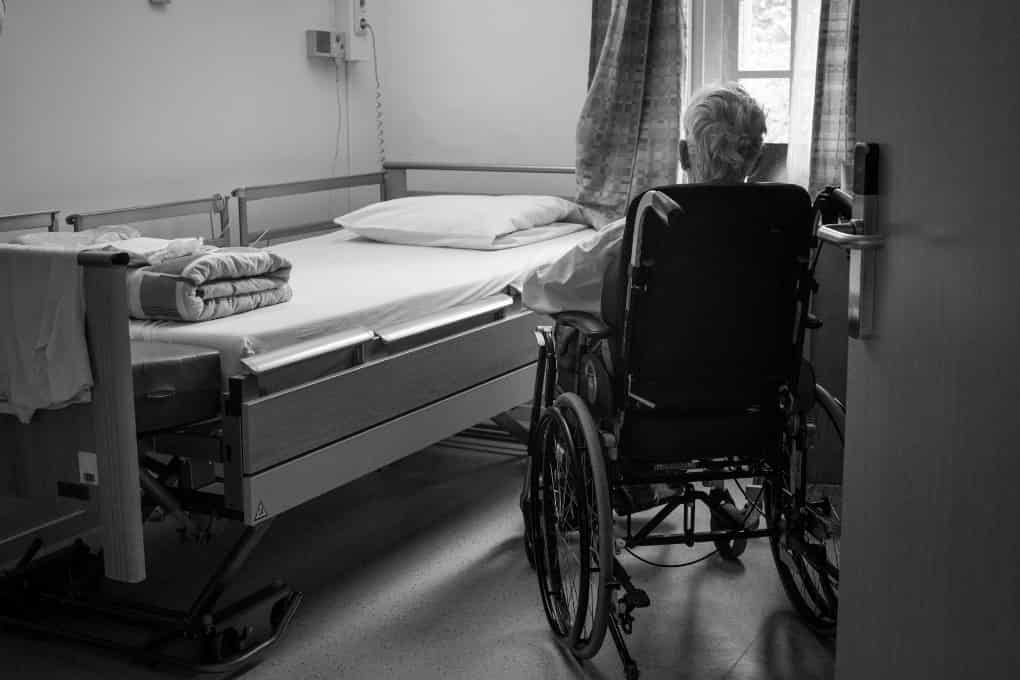
As populations age and more families turn to long-term care facilities for support, ensuring the well-being of elderly loved ones has become a growing concern. While many nursing homes provide compassionate and professional care, cases of neglect continue to surface, affecting thousands of vulnerable seniors each year. Understanding the signs of nursing home neglect and knowing how to respond can help families protect their elderly loved ones from harm.
Understanding Nursing Home Neglect
Nursing home neglect occurs when a facility fails to provide its residents with the care necessary to maintain their health, safety, and dignity. Unlike intentional abuse, neglect often stems from inadequate staffing, lack of supervision, poor training, or operational shortcomings. However, regardless of the cause, the consequences can be severe.
Neglect can take many forms, including failure to provide adequate nutrition and hydration, poor hygiene assistance, lack of medical attention, unsafe living conditions, and insufficient emotional support. In some cases, neglect may develop gradually, making it difficult for families to recognize it until significant harm has occurred.
Common Warning Signs
Families are often the first line of defense against nursing home neglect. Regular visits and open communication with elderly loved ones can help identify problems early.
Some common warning signs include unexplained weight loss, bedsores, dehydration, untreated medical conditions, poor personal hygiene, frequent infections, and sudden changes in mood or behavior. Residents who appear withdrawn, fearful, or unusually anxious may also be experiencing neglect or other forms of mistreatment.
Also, environmental indicators shouldn’t be overlooked. Unsanitary conditions, unanswered call buttons, persistent odors, and staff members who seem overwhelmed or inattentive can signal deeper issues within a facility.
Taking Action When Concerns Arise
When signs of neglect become apparent, prompt action is essential. Families should document their observations, including photographs, medical records, and detailed notes regarding incidents or changes in a resident’s condition. Speaking directly with nursing home administrators can sometimes help resolve concerns, particularly if the issue stems from staffing shortages or communication failures.
However, more serious situations may require external intervention. Reporting concerns to state regulatory agencies, adult protective services, or healthcare oversight organizations can initiate investigations and help prevent further harm.
In cases involving significant injury or ongoing neglect, families may also seek legal guidance. A Hayward Elder Abuse Attorney, for instance, may assist families in understanding their rights, evaluating evidence, and pursuing accountability when a facility has failed to meet its obligations.
Preventing Neglect Through Vigilance
While no family can monitor a loved one round the clock, staying actively involved can reduce the risk of neglect. Frequent visits at different times of day, maintaining communication with caregivers, and participating in care planning meetings can provide valuable insight into the quality of care being delivered.
It’s also imperative to research facilities thoroughly before admission. Reviewing inspection reports, staffing levels, resident reviews, and regulatory histories can help families make informed decisions about long-term care options.
Endnote
Nursing home neglect remains a serious issue that can compromise the health, safety, and dignity of elderly residents. By understanding the warning signs, maintaining regular involvement in a loved one’s care, and taking swift actions when concerns arise, families can play a critical role in safeguarding vulnerable seniors.