
Quick Answer
Seniors often face dry mouth, gum disease, tooth loss, and worn enamel, frequently tied to medications or years of wear. The fixes are practical: stay hydrated, brush and floss daily with fluoride, treat gum issues early, and book regular checkups. Comfort options and caregiver support help anxious or less mobile patients keep their natural teeth healthy and working well into later life.
Introduction
Picture a grandparent in Capitol Hill who has skipped the dentist for a few years because their mouth feels fine, only to learn a small cavity has quietly turned into a root problem. It is a common story, and it shows how easily aging mouths get overlooked.
Teeth change as we get older. Decades of chewing, a longer list of daily medications, and shifting health all leave a mark on gums and enamel. Most senior dental troubles are preventable or treatable when caught early, and a trusted neighbourhood clinic like calgaryfinedentistry.com can make that ongoing care feel far less daunting.
This guide walks through the concerns that show up most often after 60, why they happen, and the simple steps that keep older smiles comfortable, working, and healthy for the long run.
Common Oral Health Concerns in Aging Adults
Aging itself does not ruin teeth, but the things that come with it often do. Years of wear, a growing medication list, and conditions like diabetes or arthritis all shift how the mouth behaves. Knowing the usual suspects makes them far easier to catch and manage.
Dry mouth and your medication list
This is one of the most common complaints, and many people never connect it to the pills on their nightstand. Hundreds of prescriptions reduce saliva, and saliva is what rinses away food and neutralizes acid. Without enough of it, decay speeds up fast.
Simple ways to ease dryness include:
- Sipping water throughout the day and keeping a glass nearby at night
- Chewing sugar-free gum to coax saliva flow
- Using alcohol-free rinses or pharmacist-recommended saliva substitutes
- Asking your doctor whether a medication can be swapped or timed differently
Gum disease and missing teeth
Gums tend to recede with age, and a lifetime of plaque can settle into pockets along the roots. Early signs are easy to miss: bleeding when brushing, tender spots, or breath that will not freshen. Left alone, gum disease loosens teeth and is a leading reason older adults lose them. Any dentist for seniors in NW Calgary will check gum depth at routine visits precisely because the damage builds so quietly.
When teeth are already gone, the gap matters more than looks. Missing teeth shift the bite, strain neighbours, and make chewing a chore. The table below sums up the usual replacement routes.
| Option | Best suited for | Worth knowing |
| Implants | One or more gaps, healthy jawbone | Most natural feel; longer process |
| Bridge | A single gap with solid neighbouring teeth | Quicker; relies on nearby teeth |
| Dentures | Several or all missing teeth | Removable; may need periodic refitting |
Worn enamel and tooth sensitivity
Enamel thins after decades of chewing, grinding, and acidic foods, which leaves teeth sensitive to hot or cold. Receding gums expose softer root surfaces that ache and decay more readily. A general dentist in NW Calgary can apply fluoride varnish, suggest a desensitizing toothpaste, or fit a nightguard if clenching is wearing down teeth. Many of these dental care services in NW Calgary are quick, preventive, and far cheaper than the repairs they head off.
Small habits that prevent big problems
A few habits hold most of these issues at bay:
- Brush twice daily with a soft brush and fluoride paste
- Clean between teeth with floss, picks, or a water flosser
- Watch for sores, lumps, or patches that linger past two weeks, since oral cancer risk climbs with age
- Keep regular checkups so small problems never become big ones
Older mouths reward steady attention and punish neglect quickly, which is why finding care that fits comfortably into daily life matters just as much as the brushing.
Finding Senior-Friendly Dental Care Close to Home
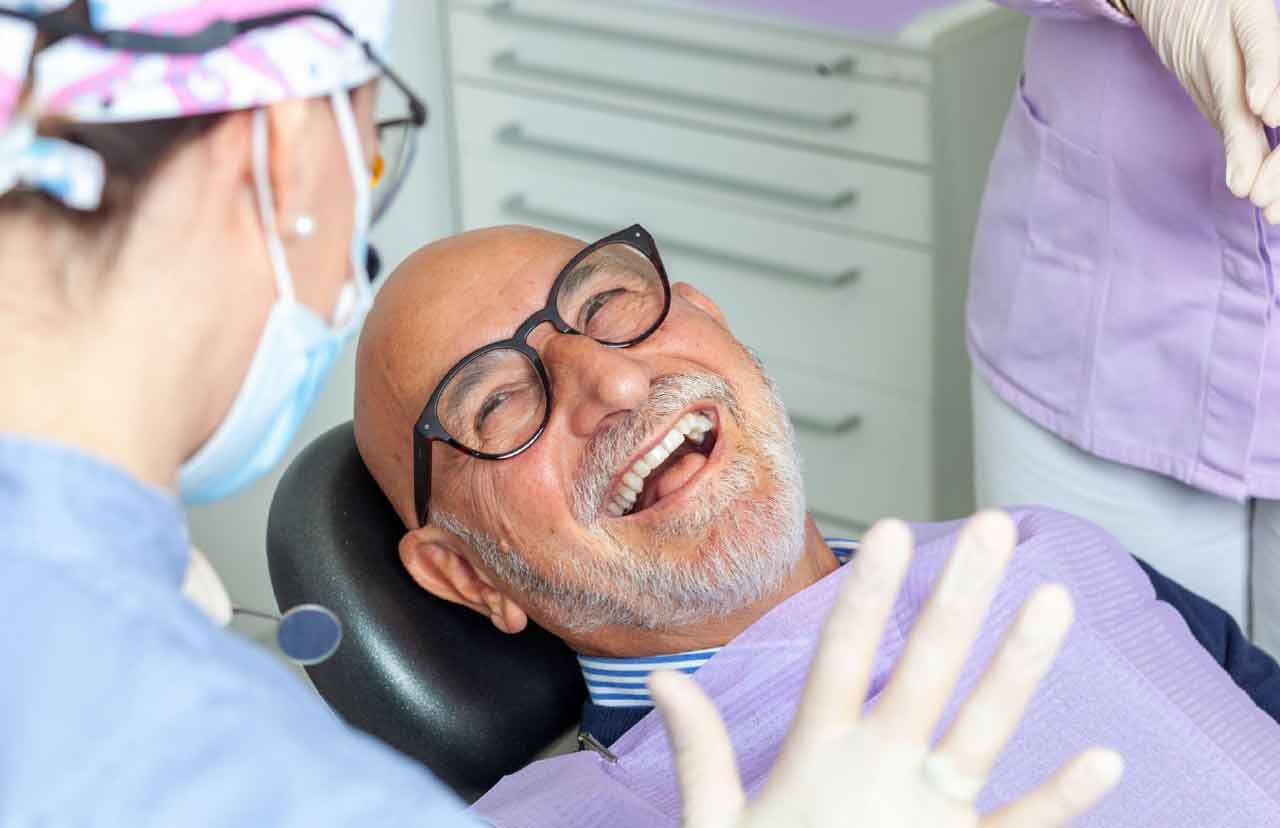
Knowing the risks is one thing; building a routine that actually sticks is another. For many older adults, the real barriers are not knowledge but comfort, cost, and getting to the chair in the first place. A little planning removes most of them.
What to look for in a clinic
Not every practice is set up for the pace seniors need. The right fit usually offers gentle, unhurried appointments and clear explanations. A few things worth asking about when you call a family dentist in Calgary:
- Step-free or elevator access and parking close to the door
- Longer or quieter appointment slots for anxious patients
- Experience with dentures, dry mouth, and medication-related issues
- A team happy to coordinate with your physician or specialists
Dental anxiety does not fade with age, and for some, it deepens after years of difficult visits. A calm dentist in Capitol Hill who explains each step and pauses when asked can turn a dreaded errand into a routine one.
How caregivers can help
Family members and caregivers often carry a quiet load here, especially when memory or mobility declines. Helpful support looks like brushing reminders, denture cleaning, watching for sores or loose teeth, and driving to appointments. Adaptive tools make daily care easier too: an electric toothbrush, a floss holder, or a wide-grip handle can keep someone independent for longer.
Cost is the other sticking point, since public coverage for oral care is thin. The reality is stark, with one analysis finding that 26% of adults 75 and older have lost all their teeth, a number tied closely to delayed treatment. Booking a consultation with a dental clinic early, before problems compound, is almost always the cheaper path.
When to book your next visit
If it has been more than a year since the last visit, that is the signal to book. Reliable dental care services in NW Calgary will start with a full history and exam, then map out only what is needed. Small, steady steps now spare a great deal of discomfort and expense later.
The Takeaway: Healthy Smiles at Any Age
Growing older does not mean giving up a healthy, comfortable smile. The concerns that surface most after 60, dry mouth, gum disease, missing teeth, and worn enamel, are largely preventable when spotted early and managed with steady habits. Daily brushing and flossing, plenty of water, and regular checkups carry most of the weight, while comfort options and a supportive care team handle the rest.
The real shift is in mindset: treating oral health as part of overall wellbeing rather than an afterthought. Caught early, small issues stay small. Whether you are planning your own care or helping a parent with theirs, the next step is simple. Book that visit, build the routine, and let consistency protect the smile for years to come.