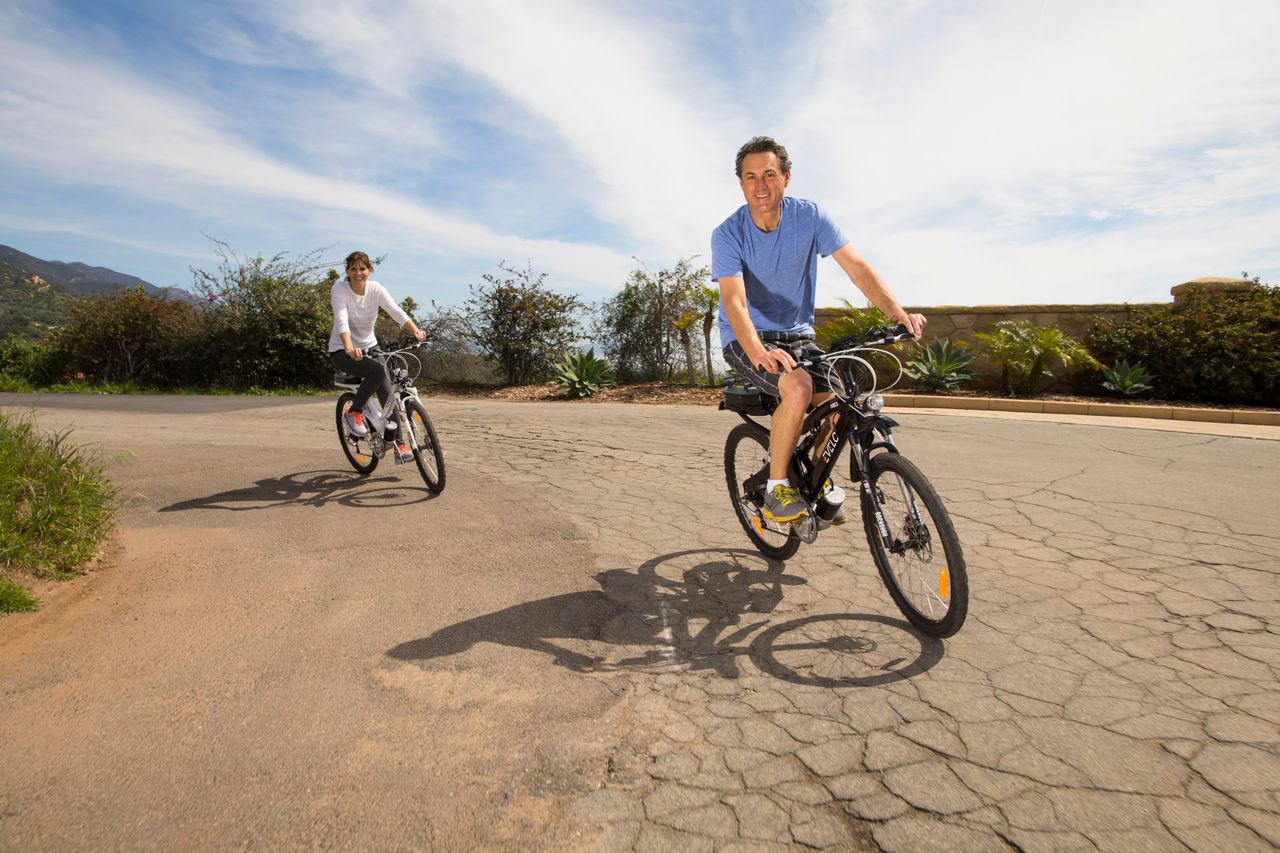
People usually treat a bicycle commute in Northern California as the ultimate trick to save cash. You skip the terrible traffic on Interstate 80, and even avoid the gridlock on the Bay Bridge. You also eliminate daily bridge tolls, expensive garage fees, and high gas prices.
However, the local hills and street layouts can introduce unexpected expenses. A single accident or a broken frame can instantly turn a cheap daily ride into a massive financial burden. Here’s what you should know about the hidden costs of commuting on bicycles in Northern California.
The Legal and Financial Realities of a Downtown Collision
When you ride through dense city streets, your crash risk goes way up. For instance, San Francisco features a few very specific hazards, like cable car tracks trapping your tires or commercial delivery trucks blocking your lane.
If a crash happens, you have to deal with much more than a broken bike. You also face complex insurance disputes and massive medical bills, and it’s never easy to prove fault. This requires deep knowledge of local traffic laws.
For instance, if you’re in San Francisco, you need a good local expert to prevent a massive financial disaster. A specialized San Francisco bicycle accident attorney can protect you in a few specific ways. For instance:
- They apply local rules, like specific right-of-way laws at intersections.
- They fight aggressive commercial insurance companies.
- They reject false claims from adjusters who want to blame you.
If you skip legal help, insurance companies will often deny your claim entirely. You will then have to pay for your own emergency room visits, expensive medical scans, and lost wages out of your own pocket.
The True Cost of Operating Modern E-Bikes
Northern California has many steep hills. Think about Filbert Street in San Francisco or the rough terrain out in Marin County. Because of these intense roads, many commuters buy electric bicycles.
E-bikes make a long trip much easier. However, they completely change the financial math of a normal bike ride. An e-bike actually functions more like a lightweight moped. This extra power accelerates your maintenance schedule. Because the heavy motor places immense strain on your bike’s components, you will have to replace your chains, cassettes, and tires twice as often. You also face a few other major expenses. For instance:
- Battery decay: A lithium-ion battery breaks down after three to five years, and a new one may cost you a lot.
- High theft risk: Urban theft rings target e-bikes because of their premium price tags.
- Extra insurance: To protect your investment, you will need a specialized insurance policy or a high-deductible addition to your renter’s plan.
What to Do After a Crash
If a car hits you while you’re riding your bicycle, the first 30 minutes determine your entire financial recovery. Here are the steps you need to take at the scene:
- Call the police: Ask the local department to send an officer, so you can file an official traffic collision report.
- Take clear photos: Document the exact location, the damage to the vehicle, and the current road conditions.
- Gather information: Ask the driver for their license and insurance details. If anyone saw the crash, get their contact info too.
- Watch your words: Never admit fault. Never say you feel fine. Adrenaline often hides severe pain, and any statement can hurt your case later.
- See a doctor right away: A prompt medical exam links your injuries directly to the accident, which helps you have the official paperwork to win a fair settlement later.
Endnote
A daily bike trip in Northern California offers great health and environmental benefits. However, you must also face the hidden financial realities. The true costs add up fast, but you can protect your physical safety and your bank account by learning local traffic laws, riding defensively at all times, and knowing your rights before an accident happens.