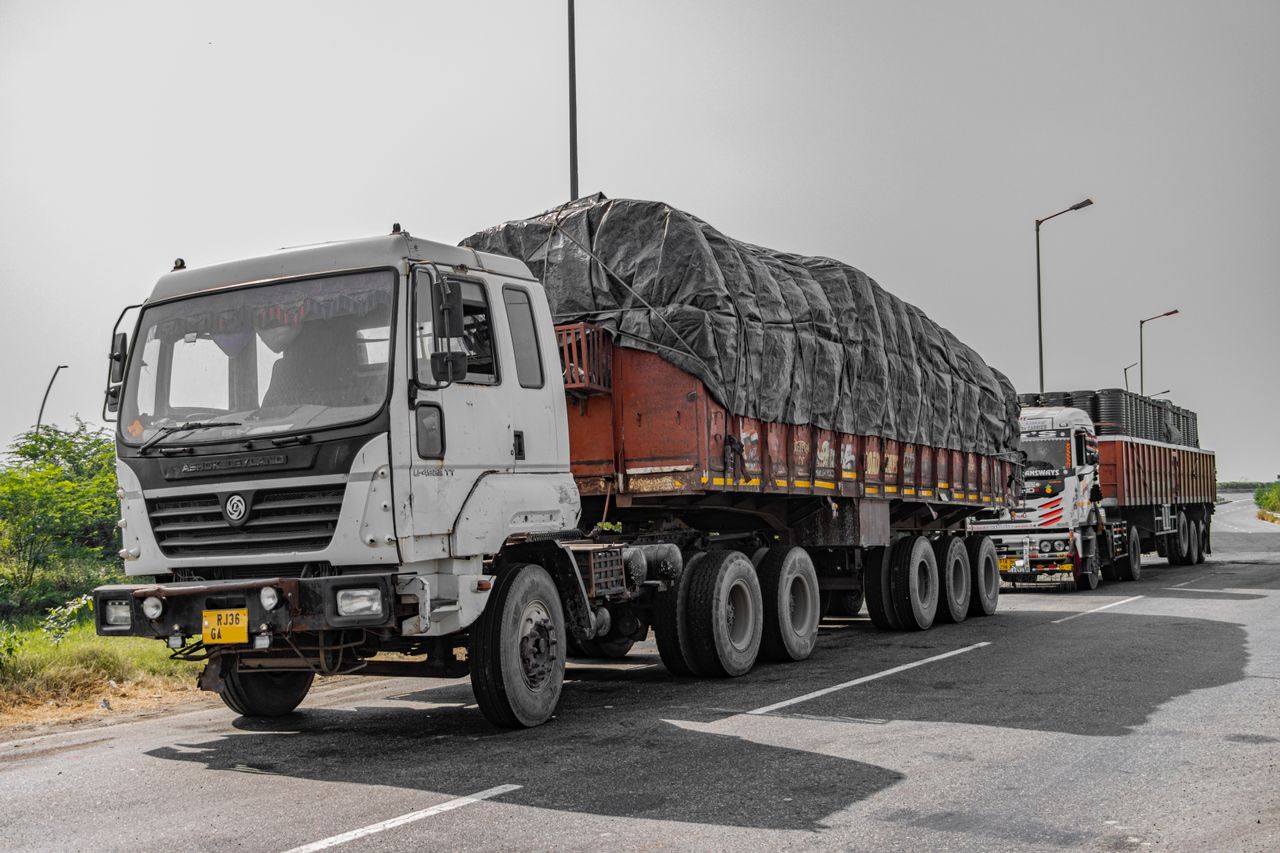
Commercial vehicle crashes involve legal complexities due to corporate ownership, layered insurance policies, and federal regulations. Unlike regular car accidents, semi-truck collisions focus on corporate compliance and maintenance issues rather than just driver disputes.
There are over 120,000 large trucks involved in injury crashes across the country every single year. For an injured driver, the number translates directly to a high-stakes battle against professional corporate legal departments that specialize in reducing financial exposures.
Structural damage from an eighty-thousand-pound vehicle often results in life-changing injuries. The high costs of treating traumatic brain injuries or spinal reconstruction lead insurance adjusters to scrutinize medical records for alternative explanations.
The article below explains why truck accidents usually cause complex injury claims.
Severe Injuries Lead to Higher-Stakes Claims
Sometimes, the injuries from truck accidents are much more severe than from car accidents. Due to the size and weight of the trucks involved, commercial trucks cause more destruction than a passenger vehicle.
Truck accident victims often experience Traumatic Brain Injuries (TBI), spinal injuries, serious fractures, and permanent disabilities, requiring ongoing medical care. Insurers scrutinize claims closely due to the high costs of crash injuries.
Legal Representation Often Becomes More Important
Accident victims in trucking cases often benefit from legal assistance in the complexity of trucking regulations. A skilled commercial truck injury lawyer can help identify responsible parties, preserve evidence, negotiate with insurers, and navigate legal complexities.
Legal representation can be especially important to accident victims when they are dealing with large companies that have extensive resources and highly experienced teams of defense attorneys. Do not attempt to handle the case without legal representation, even if it seems easy.
Liability Is Rarely Limited to One Party
The major distinction between truck accident claims and car accident claims is the number of potentially responsible parties. Typically, a car crash only has two responsible parties, while there are many additional responsible parties in a truck accident.
The most obvious are the driver and the trucking company, but there may also be a maintenance contractor, a cargo loading company, or even the manufacturer of defective truck parts. The negligent conduct of two or more of the parties can combine to cause a crash.
For example, the truck driver might have fallen asleep at the wheel, but an investigation could reveal that the trucking company pressured them for quick deliveries. Accidents can also result from improper maintenance or poorly loaded cargo.
Federal Regulations Play a Major Role
Commercial transportation firms must adhere to strict regulations set by national safety agencies. The Federal Motor Carrier Safety Administration enforces operation rules, overriding local customs, so violation automatically establishes a baseline for organizational negligence.
Attorneys specializing in heavy vehicle collisions look directly at regulatory parameters to find patterns of non-compliance. Comprehensive accident investigations rely heavily on verifying specific corporate data points required by federal law:
- Hours of service logs that prevent driver fatigue over long-haul routes
- Electronic logging device data capturing real-time vehicle deceleration speeds
- Driver qualification files detailing prior substance screens and road exams
If an electronic logging device reveals that an operator stayed behind the wheel past legal shift thresholds, the carrier becomes vulnerable to extensive punitive damages.
Navigating Complex Truck Accident Claims
Understanding why truck accident cases are different can help injured motorists prepare for the challenges ahead. With a thorough investigation and timely legal advice, victims can enhance their chances of recovery.
Identifying each party ultimately responsible for an accident and preserving important evidence is always a good idea. It helps victims to obtain the compensation needed to heal and move on with their lives.
For detailed case analyses and strategies regarding heavy vehicle liability structures, exploring the legal insights archive on our internal blog offers clear guidance on managing corporate insurance disputes.