Ford Highlights Primary Care Expansion During Thunder Bay Visit
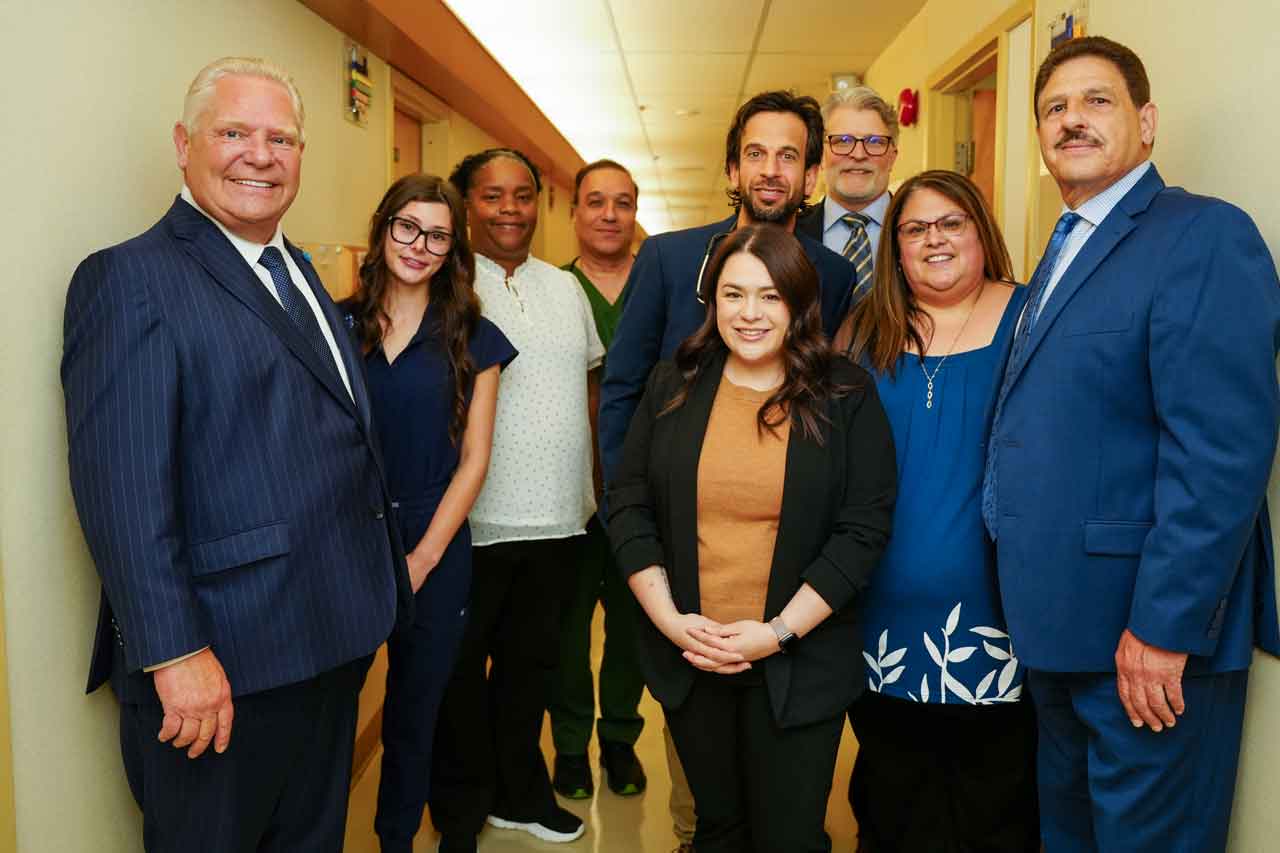
THUNDER BAY — Premier Doug Ford visited the Port Arthur Health Centre in Thunder Bay today to highlight provincial funding aimed at connecting more residents to family doctors, nurse practitioners and primary care teams.
The province says the clinic has received $958,500 through Ontario’s $3.4-billion Primary Care Action Plan and has already signed up more than 8,000 patients since August 2025 — nearly three times its original target of 2,850.
Port Arthur Health Centre surpasses patient attachment target
Ford said the Thunder Bay results show how provincial health-care investments are intended to improve access closer to home.
“We’re investing record amounts in health care across Ontario, building hospitals, training more doctors and nurses than ever before and connecting patients to convenient primary care in their community,” Ford said. “Here in Thunder Bay, these investments are helping more people get the care they need when and where they need it.”
The Port Arthur Health Centre is one of nearly 200 teams across Ontario being funded through the Primary Care Action Plan, which the province says is designed to connect every Ontarian to a primary care provider by 2029.
Five Thunder Bay primary care teams funded
The province says five primary care teams in Thunder Bay are receiving support through the plan and have already connected more than 11,000 patients to care.
In addition to the Port Arthur Health Centre, the province is funding:
Harbourview Family Health Team, Anishnawbe Mushkiki Incorporated, Matawa Health Cooperative Incorporated and Keewaytinook Okimakanak.
Together, those organizations are receiving more than $5.2 million in provincial support. According to the province, the Thunder Bay teams have already reached 121 per cent of their combined patient attachment targets.
Deputy Premier and Health Minister Sylvia Jones said expanding team-based care is part of the province’s effort to reduce pressure on hospitals and emergency departments.
“As we work to connect everyone to primary care by 2029, our government is protecting Ontario’s health-care system by investing in new and expanded primary care teams in Ontario communities, including Thunder Bay, that will keep families healthier while relieving pressures on emergency departments,” Jones said.
Residents looking for a family doctor, nurse practitioner or primary care team can register through Health Care Connect at ontario.ca/find-family-doctor-or-nurse-practitioner.
Local access remains a major issue in Northwestern Ontario
Primary care access is a significant issue in Thunder Bay and across Northwestern Ontario, where residents often face long waits, travel barriers and limited access to physicians, nurse practitioners and specialized services.
The inclusion of Anishnawbe Mushkiki, Matawa Health Co-operative and Keewaytinook Okimakanak is especially important for Indigenous patients and families from remote and northern First Nations who rely on Thunder Bay as a regional health-care hub.
For many patients, being attached to a primary care provider can mean earlier diagnosis, better management of chronic conditions, improved mental health referrals and fewer visits to already stretched emergency departments.
Province says waitlist has been sharply reduced
Ontario says nearly 90 per cent of people in the province are connected to a regular health-care provider. The government says its first goal under the Primary Care Action Plan is to clear the Health Care Connect waitlist as it stood on Jan. 1, 2025, by spring 2026.
The province says that waitlist has now been reduced by 99 per cent.
The government appointed Dr. Jane Philpott to chair Ontario’s Primary Care Action Team in October 2024. The Primary Care Action Plan was launched in January 2025 with the goal of connecting about two million more people to primary care by 2029.
Ontario says two rounds of funding for new and expanded interprofessional primary care teams have resulted in 199 successful applicants, with the goal of connecting 800,000 more people to care.
Thunder Bay MPP says investment builds on local health-care funding
Thunder Bay—Atikokan MPP Kevin Holland said the announcement reflects continued investment in regional health care.
“Access to primary care is essential to keeping people healthy and reducing pressure on our health-care system. Thanks to the hard work of local health-care providers, more than 11,000 people in Thunder Bay have already been connected to care,” Holland said.
Holland said the province has invested more than $340 million in local health care since 2022, supporting services, frontline workers and access to care across the region.
“Today’s announcement builds on that commitment and will help ensure even more residents can access the care they need, when and where they need it most,” Holland said.
Team-based care is central to the province’s plan
Primary care teams bring together a range of health professionals, including doctors, nurse practitioners, registered nurses, practical nurses, physiotherapists, social workers and dietitians.
The model is intended to improve access, reduce administrative pressure on clinicians and allow patients to receive more coordinated care under one roof.
Ontario says it is also advancing a provincewide Primary Care Medical Record system to better integrate patient records, reduce paperwork and improve care coordination.
Health-care workforce remains key to success
The province says it has added more than 20,000 physicians to Ontario’s health-care workforce since 2018, including a more than 14 per cent increase in family doctors.
Ontario also says it is making it easier for U.S.-licensed nurses and board-certified physicians to move to and practise in the province. In 2025, the province says more than 2,300 nurses and 570 doctors from the United States chose to practise in Ontario.
For Thunder Bay and Northwestern Ontario, the long-term test will be whether these investments result in stable, ongoing primary care access, particularly for seniors, Indigenous patients, newcomers, people without transportation and residents with complex health needs.