
Imagine you are told to demonstrate that you are telling the truth, and you learn that the results might not be what you know to be true.
That prospect can be uncomfortable for many individuals. Regardless of whether you are in a personal conflict, employment investigation, or even a legal case, the prospect of failing a polygraph test when you are telling the truth is a cause of concern.
Meanwhile, the situation is usually complicated by the misconceptions regarding polygraph testing. Most individuals believe that a poor outcome is a sure indication of deception.
However, polygraph tests are more complex than that. Even when an individual is innocent, physiological responses can be influenced by many factors during a test.
Being aware of these can assist you in better understanding how polygraph testing is conducted and why professional examination procedures are so crucial.
That said, let us explore some of the key reasons why innocent people may sometimes fail a lie detector test.
1. Quality of the Examination Matters
Many people assume that a lie detector test simply records whether someone appears nervous or calm. In reality, a polygraph examination follows a structured process that combines standardized testing procedures, carefully developed questions, and professional interpretation of physiological data.
Before the test begins, a qualified examiner conducts a thorough pre-test interview to review the relevant issues, explain the examination process, and ensure that every question is clear and understood. During the examination, responses are evaluated as patterns rather than isolated reactions, allowing the examiner to make an informed assessment based on established methodology.
Because of this, the quality of the examination itself plays a significant role in the reliability of the results. Factors such as poorly constructed questions, inadequate pre-test preparation, deviations from standardized procedures, or examiner inexperience can affect the overall quality of the assessment.
For this reason, reputable polygraph providers emphasize validated testing techniques, proper examiner training, and strict adherence to professional standards. When these best practices are followed, the examination is designed to provide reliable credibility-assessment information that supports broader fact-finding efforts rather than relying on a simple interpretation of individual physiological responses.
2. Misunderstanding Questions Can Lead To Unexpected Reactions
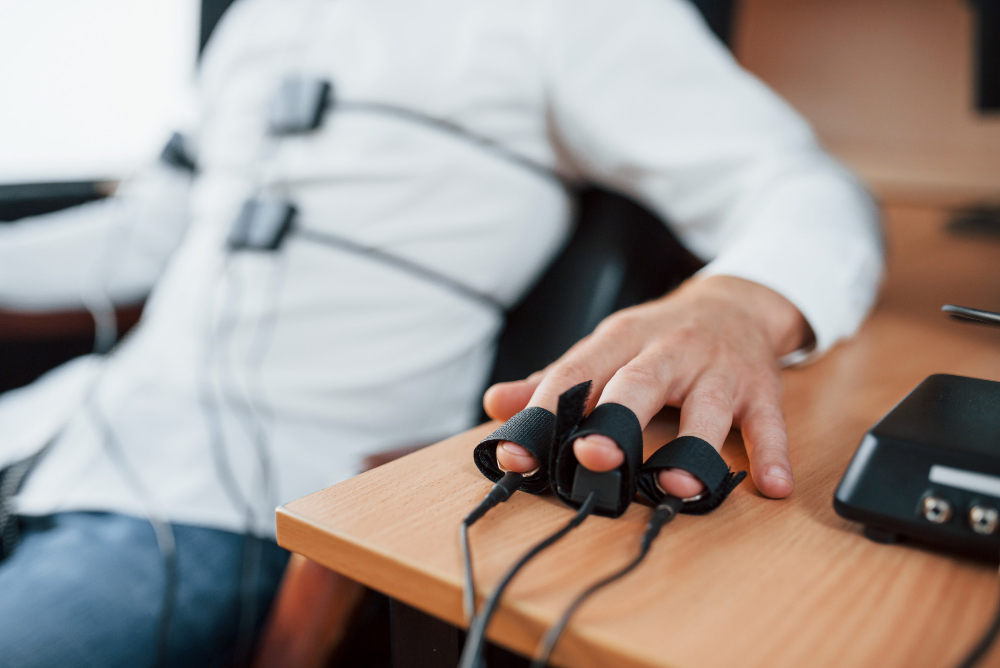
When conducting a polygraph examination, it is necessary to have clear communication. Nevertheless, issues may occur when an individual misconstrues the meaning, intent, or phrasing of a question.
For instance, an individual may interpret a question differently than the examiner intended. As a result, they may answer based on a different understanding of the question than the examiner intended. This is why professional examiners carefully review each question during the pre-test interview to ensure clarity and mutual understanding before the examination begins.
That is why professional polygraph examinations have a comprehensive pre-test interview. At this phase, the examiner goes through the questions, clears up the terminologies, and makes sure that the examinee is completely aware of what will be asked.
However, despite the preparation, there are individuals who might still question themselves whether they are responding the right way. This reinforces the importance of clear communication and standardized testing procedures throughout the examination.
Hence, professional examiners evaluate responses within the context of the entire examination rather than relying on a single reaction or isolated answer.
3. Emotional Sensitivity To Subject Matter
Another important aspect of polygraph testing is the nature of the subject being discussed. Some topics involve significant personal, professional, or legal consequences, making it essential for examiners to follow standardized procedures and evaluate the examination as a whole.
For example, an individual in a relationship conflict can be hurt, frustrated, or anxious when speaking about accusations of cheating. In a similar manner, the employee who is suspected of misconduct might feel anger or fear when responding to the questions concerning the incident that they did not commit.
These examples illustrate why professional examiners evaluate response patterns across the entire examination rather than drawing conclusions from a single question or isolated response.
Furthermore, every examination is conducted within the context of the specific issue being investigated, using carefully developed questions and standardized testing protocols to support a reliable assessment.
This is why experienced examiners do not rely on a single reaction or isolated response. They instead consider patterns, compare the responses to the various types of questions, and look at the bigger picture of the examination.
4. Human Physiology Is Complex and Individual
No two people respond to stress in exactly the same way. While some individuals remain calm under pressure, others exhibit noticeable physiological changes even during routine conversations.
As a result, professional polygraph examinations rely on standardized methodologies and validated scoring systems that evaluate response patterns rather than interpreting individual physiological measurements in isolation.
Additionally, qualified examiners follow established testing protocols that include comprehensive pre-test interviews, carefully structured questions, and systematic analysis of the collected data to support a consistent and reliable examination process.
This complexity highlights an important point: polygraph testing is not simply about recording bodily responses. Rather, it involves the professional analysis of those responses within a structured testing framework.
For this reason, reputable polygraph examinations include standardized procedures, pre-test interviews, carefully constructed questions, and expert interpretation. These safeguards help improve reliability while reducing the impact of unrelated physiological reactions.
Conclusion
Failing a polygraph examination does not automatically mean that a person is lying. Polygraph examinations are structured credibility assessments that rely on standardized procedures, carefully developed questions, and professional interpretation rather than a simple pass-or-fail measurement.
At the same time, modern polygraph examinations are designed to account for many of these factors through structured procedures and professional evaluation. When conducted by qualified examiners, polygraph testing can provide valuable credibility-assessment information that supports broader fact-finding efforts.
Ultimately, understanding why innocent people may sometimes fail a lie detector test helps create a more informed perspective on the examination process. Rather than viewing the test as a simple pass-or-fail measure of truthfulness, it is more accurate to see it as one investigative tool that contributes to a deeper understanding of the facts.