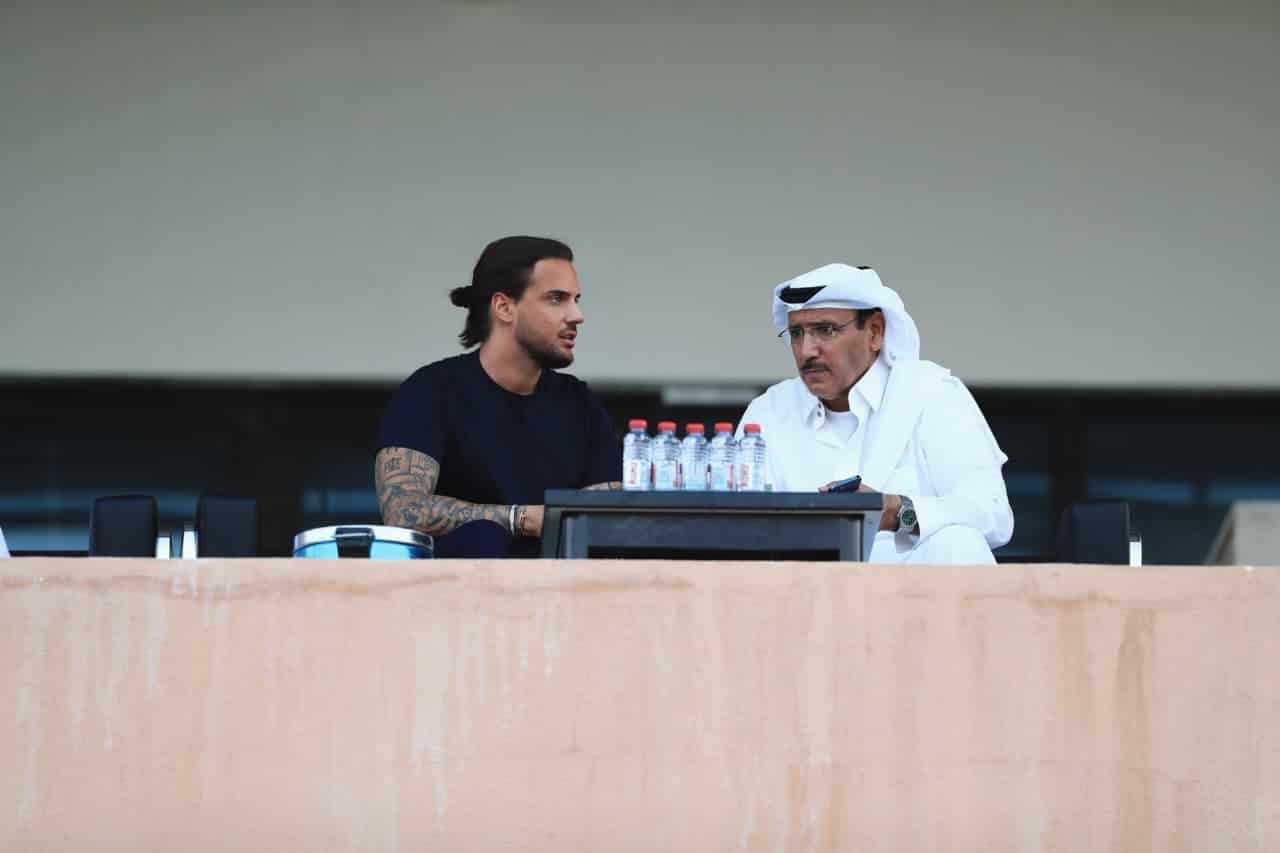
Giovanni Santoro is a licensed FIFA Football Agent who operates globally across some of the world’s most dynamic football markets. Working between Europe, the Middle East, and North America, he has been involved in international transfers spanning multiple leagues and competitions, reflecting the increasingly interconnected nature of the modern game.
With the 2026 FIFA World Cup set to take place across the United States, Canada, and Mexico, the football industry is already looking beyond the tournament itself and considering the long term impact it could have on the global game.
 For decades, Europe has remained football’s undisputed centre of excellence, home to the world’s most prestigious clubs, leagues, and competitions. While that position is unlikely to change, the influence of football is expanding rapidly across new markets, driven by investment, media exposure, technology, and growing commercial interest.
Across North America, football has experienced steady growth for years. Major League Soccer continues to mature as a competition, clubs are investing heavily in infrastructure and player development, and a new generation of supporters is emerging in one of the world’s most important sports and entertainment markets.
According to Santoro, the real legacy of the tournament may not be measured by attendance figures or television audiences, but by the opportunities it creates long after the final whistle.
“The World Cup will place football at the centre of attention across North America. What interests me most is what happens afterwards. More young players will enter academies, more investors will look at football projects, and more clubs will expand their international ambitions.”
Santoro believes the tournament could accelerate a trend that is already transforming the sport: the growing movement of talent, expertise, and investment across borders.
“In today’s game, opportunities are no longer limited to one country or one league. Players are exploring different markets, clubs are building international networks, and football has become far more global than it was even ten years ago.”
 That evolution is visible throughout the industry. Clubs increasingly recruit talent internationally at younger ages. Investment groups operate across multiple continents. Football organisations are thinking globally rather than locally, creating new pathways for players and new opportunities for emerging markets.
For professionals working within the game, understanding different football cultures has become as important as understanding football itself.
“The clubs and organisations that will succeed in the future are those capable of identifying opportunities before others see them. The World Cup will accelerate football’s growth in North America, but more importantly, it will strengthen the connections between markets that are becoming increasingly linked.”
For Santoro, the significance of the 2026 FIFA World Cup extends far beyond the tournament itself.
It represents another step in football’s evolution into a truly global industry, where talent, investment, and opportunity move more freely than ever before, creating new possibilities for clubs, players, and stakeholders around the world.