
Thunder Bay residents report theft concerns; practical steps to protect homes and vehicles
THUNDER BAY — Across social media, Thunder Bay residents are reporting stolen bicycles, propane tanks, tools and items taken from vehicles. Some state their vehicles are being rummaged through overnight, sheds are being entered and neighbourhoods feel less safe than they used to.
Those reports are often anecdotal and not always reflected immediately in official crime statistics. But the fear they reveal is real. When residents feel they must check door cameras every morning or wonder whether their vehicle has been entered overnight, public confidence suffers.
Add in serious assaults and a number of homicides this year on our streets or as in the case of a murder on College Street, an attack of a woman at Boulevard Lake, and a stabbing on Red River Road, and the fear is not without reason.
Feeling safe is part of public safety
Statistics Canada’s 2024 police-reported crime table listed Thunder Bay’s Crime Severity Index at 107.7, up eight per cent, with a police-reported crime rate of 6,867 incidents per 100,000 population, also up eight per cent.
The Crime Severity Index measures both the volume and seriousness of police-reported crime.
Thunder Bay Police Service has also acknowledged that the city remains among communities with high crime severity. Thunder Bay Police recently quite reporting incidents on the Crime Map. Restoring public faith in the police likely means greater communications from the service, not less.
For residents, however, a solved case months later does not erase the feeling of waking up to a stolen bike, an empty propane rack or a vehicle with the glove box tossed open.
The motorcycle gang comment reflects frustration — not a solution
Some residents have commented that Thunder Bay “was better when the motorcycle gangs had a more visible presence.”
That kind of comment is usually less about support for organized crime and more about frustration with disorder, theft and the perception that consequences are not visible. Still, organized crime is not public safety. Criminal groups may create the appearance of street control, but they also bring violence, intimidation, drug trafficking, extortion and fear.
Safe communities are built through accountable policing, effective courts, social supports, neighbourhood co-operation and visible consequences for repeat offenders — not through criminal groups filling a vacuum.
What residents can do now
Thunder Bay Police have recently reminded residents that thieves look for quick opportunities and that visible valuables can make a vehicle a target.
Police specifically advise residents to avoid leaving unnecessary items in plain view, remove valuables and identification from vehicles, avoid hiding spare keys in vehicles or outside residences, and lock parcels and shopping bags in the trunk.
For vehicles, the first step is making theft inconvenient. Lock every door, even in a driveway.
Remove wallets, purses, electronics, tools, garage door openers and keys. Do not leave vehicle ownership, insurance slips or personal documents visible. Park in a well-lit area when possible. Use motion lighting, dash cameras or home cameras where appropriate. Report every theft or attempted theft, even when the value seems low.
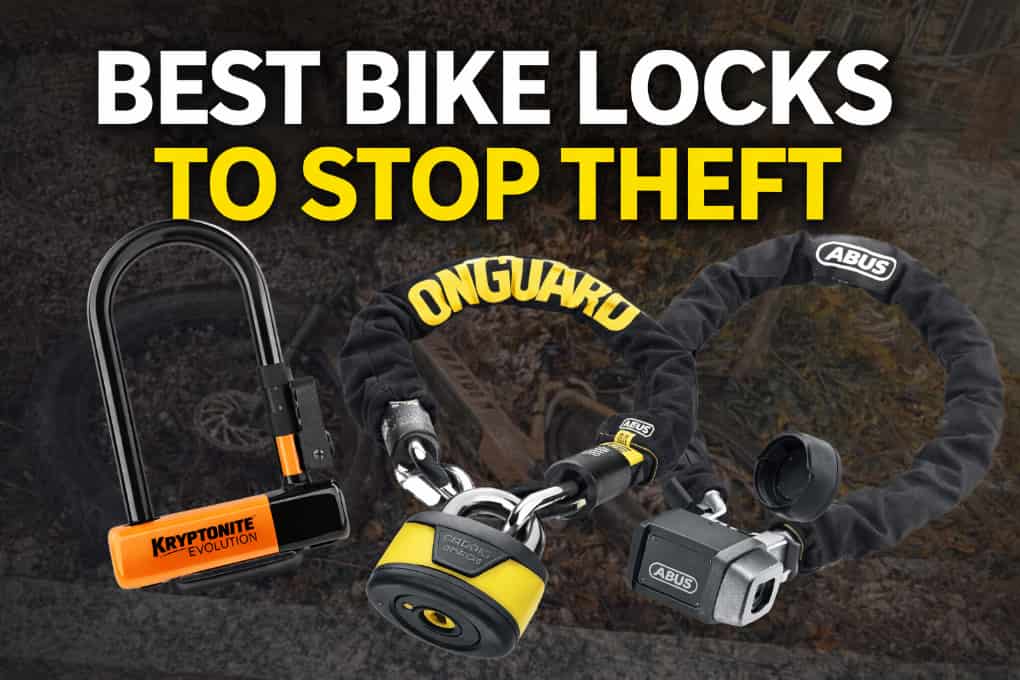
For bicycles, record the serial number, take clear photos and use a quality lock through the frame and wheel. Store bikes inside a locked garage or shed whenever possible. A bike left unlocked in a backyard or on an open porch is an easy target.
For propane tanks, tools and outdoor equipment, use locked sheds, chains, lockable storage boxes or cages. Mark tools with identifying information, keep receipts and take photos.
For contractors and tradespeople, removing tools from work vehicles overnight is often the safest option, even when it is inconvenient.
For homes, use basic crime prevention through environmental design.
That means bright exterior lighting, trimmed shrubs, clear sightlines, solid locks, visible house numbers, secure gates and a lived-in appearance. Crime Prevention Through Environmental Design, or CPTED, is based on the idea that the physical environment can reduce opportunities for crime and increase the feeling of safety.
Neighbours matter
Property crime is often reduced when neighbours communicate early and clearly.
Residents can share non-sensitive information in neighbourhood groups, but social media should not replace reporting to police. A video clip posted online may warn neighbours, but a police report creates a record, helps identify patterns and can support arrests or recovery of stolen property.
If a crime is in progress, call 911. For non-emergency reports, Thunder Bay Police list 807-684-1200 and an online reporting system for non-emergency incidents.
Anonymous tips can also be submitted through Thunder Bay District Crime Stoppers at 623-8477 in Thunder Bay, 1-800-222-8477 out of town, or online through P3 Tips.
Cameras help — but they are not a full answer
Home security cameras and doorbell cameras can help police identify suspects, vehicles and timelines. Thunder Bay Police also operate a Camera Registry Program, allowing residents to register home security cameras so police know who may be able to assist with footage if an incident occurs nearby.
Camera footage should be saved quickly, with the date and time noted. Residents should avoid confronting suspects, chasing vehicles or posting accusations against named individuals unless police have confirmed information. The safest approach is to preserve evidence, report the incident and share footage with investigators.
What Thunder Bay Police can do to rebuild confidence
The central issue is not only property crime. It is visibility, communication and trust.
Thunder Bay Police have launched Project Support, a downtown core stabilization pilot involving visible foot patrols in the north and south downtown cores. The service says patrol teams are paired with a social navigator or Community Integration Team co-ordinator, with outreach as the first point of contact and enforcement available when illegal or disruptive behaviour continues.
That model could inform a broader neighbourhood safety approach. Residents want to see police, know where crime is happening and understand what is being done about repeat offenders.
Practical steps could include more visible patrols in property-crime hot spots, regular public updates on theft trends, expanded use of crime mapping, targeted enforcement for repeat offenders, faster followup when video evidence is available, more promotion of the camera registry, and community safety walks with residents, police, bylaw staff and neighbourhood groups.
Police could also publish plain-language monthly updates on property crime: where thefts are increasing, what items are being targeted, how many charges have been laid, how many stolen bikes or tools have been recovered, and what residents should do differently that month.
Courts, addictions and housing are part of the picture
Police visibility matters, but police alone cannot solve the conditions that drive repeat property crime.
Some theft is opportunistic. Some is connected to addiction, poverty, homelessness, mental health crisis or organized resale networks. Thunder Bay’s role as the regional hub for Northwestern Ontario also concentrates social pressures from across the district and remote communities.
That does not excuse theft. Residents have a right to safety and security. But an effective response must include both enforcement and prevention: treatment access, housing supports, mental health response, bail supervision where ordered by courts, and stronger pathways out of repeat offending.
A safer city requires shared responsibility
The immediate message for residents is simple: lock it, light it, mark it, record it and report it.
The message for police and civic leaders is just as clear: people need to see a public safety response that is visible, measurable and consistent.
Thunder Bay residents should not have to rely on rumours, social media warnings or nostalgia for outlaw groups to feel protected. A safer city depends on police who are present and accountable, neighbours who look out for one another, courts that respond to repeat offending, and community supports that address the reasons people keep cycling through the system.
The goal is not fear. The goal is confidence — the confidence that when property crime happens, it is reported, investigated, tracked and taken seriously.