Grain Growers Join North American Call to Renew and Strengthen CUSMA
OTTAWA — Grain Growers of Canada has joined a broad North American agriculture coalition calling on Canada, the United States and Mexico to renew and strengthen the Canada-United States-Mexico Agreement ahead of its July 1, 2026, joint review.
The call matters in Thunder Bay and Northwestern Ontario because grain trade is not only a Prairie farm issue.
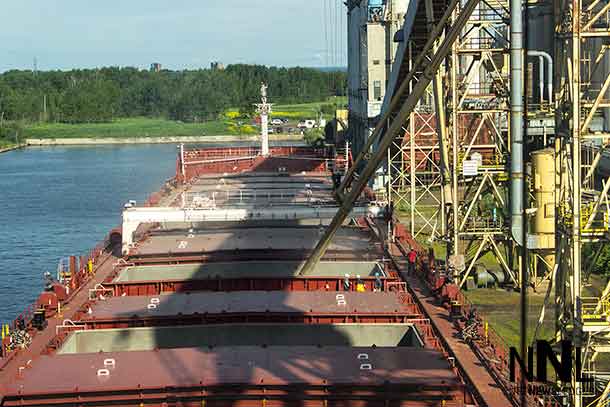
The Port of Thunder Bay remains a major grain-handling gateway on the Great Lakes-St. Lawrence Seaway system, linking Western Canadian production to domestic and global markets through rail, marine shipping and terminal elevator operations.
Agriculture Groups Seek Trade Stability
More than 160 agricultural organizations from Canada, the United States and Mexico have signed a trilateral industry letter urging governments to protect rules-based trade across North America.
The letter was addressed to U.S. Trade Representative Jamieson Greer, Canadian Minister Responsible for Canada-U.S. Trade Dominic LeBlanc and Mexican Secretary of Economy Marcelo Ebrard.
The organizations say CUSMA, known as USMCA in the United States and T-MEC in Mexico, is central to stable market access for farmers, exporters, processors and consumers.
The Canada Grains Council, which also signed the letter, said the agreement supports integrated agricultural markets, regional food security and North America’s global competitiveness. The council said agri-food trade between the three countries tripled in value between 2005 and 2023 to reach $285 billion.
Canadian Grain Farmers Have Direct Stake
Grain Growers of Canada says Canadian grain farmers rely on predictable market access because Canada exports more than 70 per cent of the grain it produces. The organization has previously said Canada’s grain sector generates $45 billion in annual export value and that GGC represents more than 70,000 producers through national, provincial and regional grower groups.
The United States remains the sector’s largest trading partner, with more than $17 billion in Canadian grain and grain products moving into that market annually, according to Grain Growers of Canada.
GGC says export disruptions quickly affect farm income. From 2024 to 2025, the export value of Canadian grain and grain products fell by more than $2.3 billion, according to the organization.
Why Thunder Bay and Northwestern Ontario Are Connected
Thunder Bay is a key link in the grain supply chain. The Port of Thunder Bay says its grain elevators ship Western Canadian grain to ports around the world and that the port has the largest grain storage capacity in North America and the fastest grain ship turnaround time of all western Canadian ports.
Parliamentary research on grain transportation notes that most grain rail traffic is bound for the ports of Vancouver, Thunder Bay and Prince Rupert. That makes trade certainty under CUSMA relevant to rail movement through Northern Ontario, marine activity on Lake Superior, terminal elevator employment and related logistics services in the city.
For Northwestern Ontario, a strong grain corridor supports jobs beyond farming. Rail crews, grain handlers, marine workers, inspectors, truckers, maintenance contractors and port service providers all depend on steady commodity movement.
Review Comes Amid Trade Uncertainty
CUSMA came into force in 2020 and is up for review in 2026. The Bank of Canada has warned that the outcome of the review is an important economic risk because an unfavourable result could weaken Canadian exports, reduce investment and hiring, and prolong uncertainty for exporters and supply chains.
Reuters reported Tuesday that Canada has formally proposed renewing the agreement for 16 years while also seeking parallel talks on sector-specific tariffs. If the three countries do not agree to extend the pact, it would move to annual reviews until 2036.
Rules-Based Access Seen as Core Farm Issue
Grain Growers of Canada says reliable, rules-based market access is essential for farm viability. Farmers make planting, storage, input, equipment and contract decisions months or years ahead of delivery. Uncertainty around tariffs, rules of origin or border access can affect farmgate prices long before grain moves to export position.
For producers of wheat, canola, oats, barley and pulses, CUSMA renewal is also about keeping North American supply chains competitive at a time of rising input costs, market volatility and geopolitical risk.
Historic Role of Grain in Thunder Bay

Thunder Bay’s connection to grain exports predates CUSMA and the former North American Free Trade Agreement. Grain movement helped shape the city’s waterfront, rail yards and industrial base, and terminal elevators remain part of the local skyline and economy.
The current review of CUSMA therefore reaches beyond national trade policy. For Thunder Bay, it is tied to the continued movement of Canadian grain through one of the country’s most important inland ports and to the region’s role in connecting Prairie agriculture with global customers.