Treaty Three police say months-long drug probe disrupted trafficking network
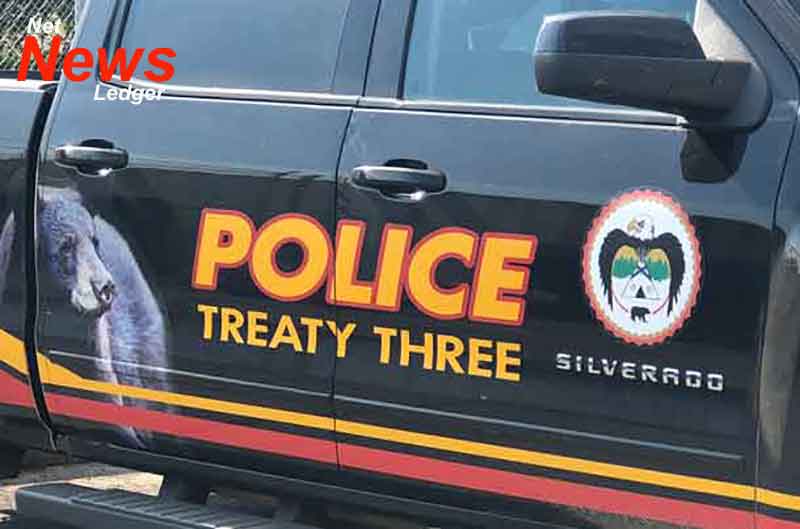
Treaty Three Police Service says a months-long Street Crime Unit investigation has disrupted an alleged drug trafficking network operating in and around Treaty #3 communities.
The investigation matters across Northwestern Ontario because cocaine trafficking continues to affect community safety in Kenora-area First Nations and nearby urban centres, where police services are increasingly relying on joint enforcement and intelligence-led operations.
Investigation focused on drug activity tied to Treaty #3 communities
According to Treaty Three Police Service, the investigation began in late 2025 and focused on suspected drug activity linked to Naotkamegwanning First Nation, Northwest Angle #33 and Northwest Angle #37.
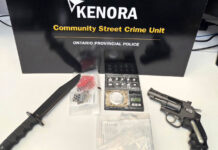
Police said the first arrest came on Feb. 5 in Kenora, when a 43-year-old man from Onigaming First Nation was charged with possession for the purpose of trafficking. Officers reported seizing about one ounce of cocaine during that arrest.
The investigation continued on April 10, when Street Crime Unit members carried out a series of enforcement actions in Kenora. Police said eight additional arrests were made over the course of the day and that officers seized more cocaine.
Treaty Three Police Service said the investigation involved support from Ontario Provincial Police partners, including the Organized Crime Enforcement Bureau, the Kenora Community Street Crime Unit and the Provincial Operations Intelligence Bureau.
Charges include trafficking and possession for the purpose of trafficking
Police said the accused include a 47-year-old Kenora woman charged with trafficking and possession for the purpose of trafficking, along with several Kenora and Naotkamegwanning residents, ages 18 to 52, facing possession for the purpose of trafficking charges. A 25-year-old Kenora man was also arrested on outstanding warrants.
The release did not provide names in the version supplied, but the arrests reflect what police describe as a targeted effort to disrupt the flow of illicit drugs into Treaty #3 communities.
What the charges mean under federal law
The trafficking allegation falls under section 5(1) of the Controlled Drugs and Substances Act, which makes it an offence to traffic in a substance listed in Schedule I, II, III, IV or V. Possession for the purpose of trafficking is set out in section 5(2) of the same Act. Cocaine is specifically listed as a Schedule I substance under federal law.
Because cocaine is a Schedule I drug, both trafficking and possession for the purpose of trafficking are indictable offences punishable by up to life imprisonment.
Sentencing depends on the facts of each case
If there are convictions, sentencing can vary widely depending on the quantity of drugs involved, the accused person’s role in the alleged trafficking, any prior record and other aggravating or mitigating factors raised in court. The Controlled Drugs and Substances Act also directs judges to consider aggravating factors such as the use of a weapon, violence, trafficking near places frequented by youth, prior designated drug convictions or involving a person under 18 in the offence.
In practical terms, courts can impose a broad range of penalties in drug cases, but for Schedule I cocaine trafficking offences the law allows sentences up to life imprisonment in the most serious cases.
Presumption of innocence remains in place
All accused persons are presumed innocent unless and until proven guilty in court. That protection is guaranteed by section 11(d) of the Canadian Charter of Rights and Freedoms, which states that anyone charged with an offence has the right to be presumed innocent until proven guilty in a fair and public hearing before an independent and impartial tribunal.
For Treaty #3 communities, the case highlights the continuing pressure that illicit drug trafficking places on community well-being, especially in smaller and remote areas where the impacts of addiction, violence and organized criminal activity can be deeply felt. Treaty
Three Police Service is asking anyone with information about drug-related activity to contact police or Crime Stoppers.