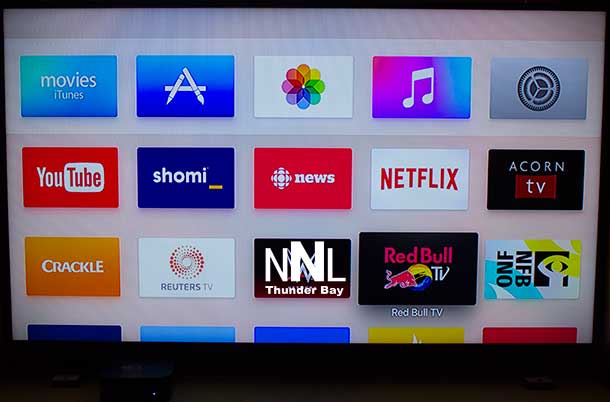


For decades, the standard North American living room was anchored by a familiar piece of hardware: the cable set-top box. Families accepted rising monthly bills, annual contract renewals, and equipment rental fees as an inevitable cost of accessing live television, regional news, and live sporting events.
Today, that dynamic has permanently shifted. Across Canada and the United States, millions of households are participating in the largest cord-cutting migration in entertainment history. Driven by the nationwide expansion of fiber-optic broadband and the proliferation of high-performance smart streaming hardware, consumers are leaving bloated $150-a-month cable packages behind in favor of streamlined, internet-delivered television.
As this shift accelerates through 2026, understanding how Internet Protocol Television (IPTV) and modern streaming platforms operate—and how to choose the right setup—has become essential for consumers looking to maximize value without sacrificing viewing quality.
The Economic Driver: Why Traditional Cable Is Losing Ground
The catalyst behind cord-cutting is simple: cost and flexibility. Consumer surveys indicate the average North American household pays over $1,400 annually for bundled television packages—yet viewers regularly watch fewer than 15 of the hundreds of channels they pay for.
Furthermore, traditional broadcast infrastructure struggles to match modern digital consumer expectations:
Rigid Multi-Year Contracts: Cable and satellite providers historically locked customers into binding 12- to 24-month agreements with punitive early termination fees.
Hidden Surcharges: Regional sports network (RSN) fees, broadcast TV surcharges, and monthly converter box rentals routinely inflate advertised prices by 30% or more.
Multi-Room Limitations: Watching television in three different rooms traditionally required three separate leased hardware units, adding recurring hardware overhead each month.
In contrast, internet-based television allows viewers to run digital streaming applications directly on their existing smart TVs, streaming media sticks, tablets, and computers, eliminating hardware rental costs entirely.
How Internet Protocol Television (IPTV) Functions
Unlike traditional terrestrial broadcasting—which sends audio and video signals through radio frequencies over the air, satellite dishes, or coaxial cables—IPTV delivers media via standard Internet Protocol (IP) networks.
When a viewer changes channels on an internet TV service, the player application requests a specific data stream directly from a media server via an encrypted digital packet pipeline. This allows for:
Instant On-Demand Switching: Video streams are decoded in real-time, providing near-instant access to thousands of live channels, video-on-demand (VOD) cinema releases, and international programming.
Superior Resolution & Refresh Rates: Modern compression codecs such as HEVC (H.265) and AV1 deliver crisp 4K Ultra HD resolution and smooth 60 frames-per-second (fps) playback during live sports broadcasts while consuming less bandwidth than legacy MPEG-2 broadcasts.
Cross-Platform Portability: A single subscription can typically be accessed whether you are watching on a living room 4K OLED display, a bedroom Firestick, or a smartphone while traveling.
As the industry has matured, reputable platforms such as Smartiflix IPTV have gained significant traction among cord-cutters by offering unified portal access, dedicated anti-freeze server routing, and seamless integration with industry-standard media player applications like TiviMate and IPTV Smarters Pro.
Essential Hardware for a Buffer-Free Experience
While internet TV can technically run on virtually any connected screen, optimizing your living room setup requires the right hardware foundation:
Dedicated Media Streaming Sticks: For most households, an affordable streaming stick like the Amazon Fire TV Stick 4K Max or Chromecast with Google TV represents the sweet spot between price and processing power. These devices feature quad-core processors capable of decoding high-bitrate 4K HDR feeds without frame stutter.
Premium Flagship Players: For home theater enthusiasts demanding lossless audio passthrough (Dolby Atmos) and AI-driven upscaling, enterprise-grade units like the Nvidia Shield TV Pro or Apple TV 4K remain the gold standard.
Network Infrastructure & Stable Bandwidth: Streaming high-definition live television requires continuous, low-latency bandwidth. While standard browsing requires minimal data, live 4K 60fps streams demand a consistent connection speed of at least 25 to 50 Mbps. Whenever possible, connecting your streaming device via a physical Ethernet cable or ensuring a direct 5 GHz Wi-Fi connection dramatically reduces packet loss and eliminates buffering.
Consumer Buying Guide: What to Look for in a Modern Provider
With dozens of streaming options and service portals available online, consumers must exercise due diligence before subscribing. Industry analysts recommend looking for the following key benchmarks:
Transparent Pricing Structure: Avoid services that demand long-term commitments upfront. Look for flexible IPTV subscription plans that allow for month-to-month testing or short-term trial periods before committing to semi-annual or annual packages.
Server Redundancy & Uptime: Peak viewing events—such as championship sporting matches or major live events—put heavy loads on media servers. Leading providers invest in load-balanced content delivery networks (CDNs) to distribute viewer demand and prevent server drops.
EPG Integration: A robust Electronic Program Guide (EPG) is essential for a traditional TV viewing experience, allowing users to browse TV schedules, upcoming sporting events, and channel guides effortlessly.
Responsive Technical Support: Reliable services maintain active support desks (via live chat or email ticketing) to assist customers with M3U playlist setups, Xtream Codes credentials, and player configuration.
The Road Ahead: The Future of Television
The transition away from legacy broadcast cable is no longer a temporary trend; it is the permanent standard of modern home entertainment. As fiber internet accessibility reaches rural and suburban markets throughout North America, internet protocol television will continue to democratize how people consume live sports, international news, and entertainment.
By pairing modern streaming hardware with stable high-speed internet and reliable service providers, viewers across North America are taking full control of their entertainment budgets—enjoying more channels, higher resolutions, and total freedom from cable contracts.