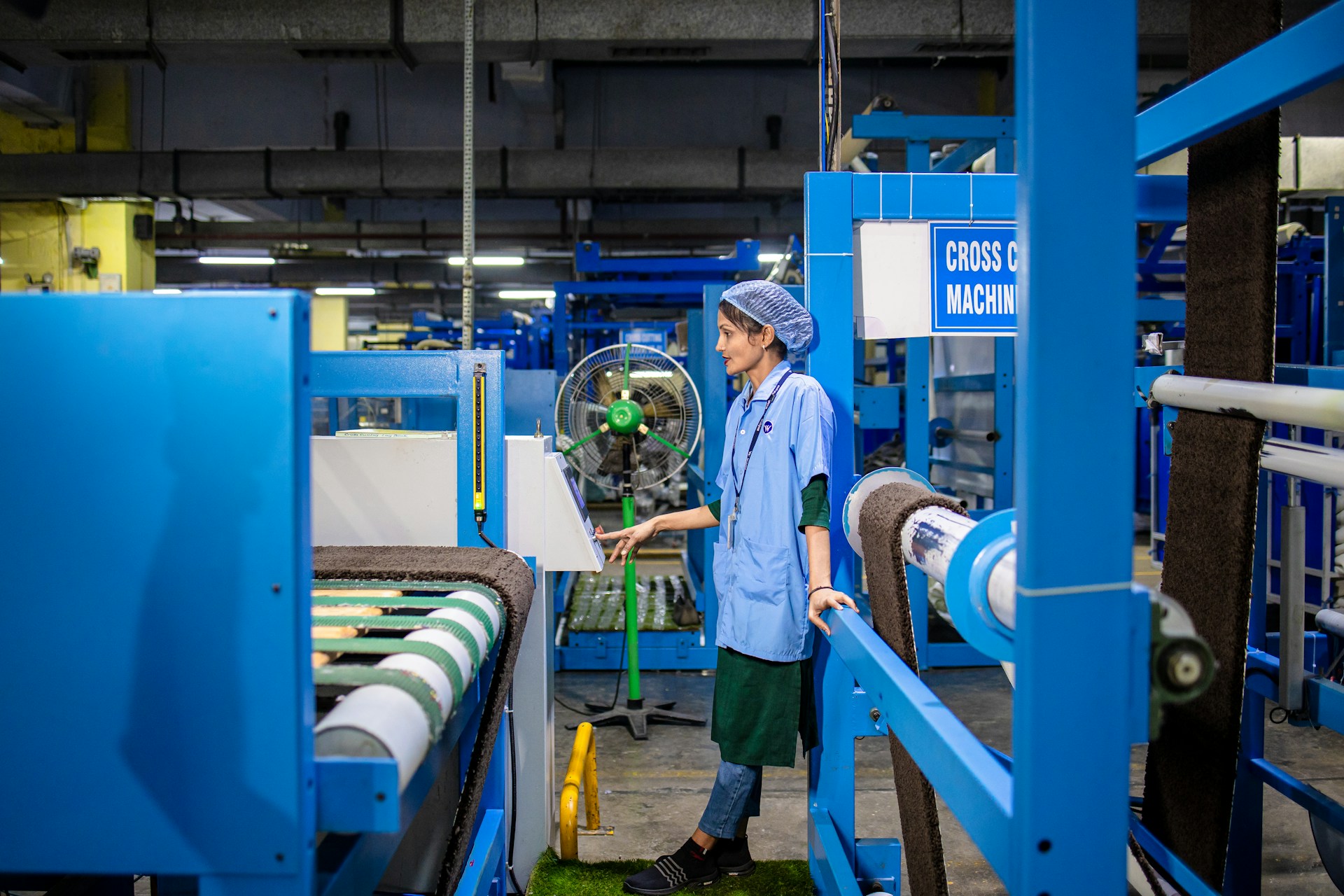
Businesses require labor, time, energy, and materials to operate. When functioning optimally, the effort put in usually reflects in the quantity and quality of output. However, this is not always the case, as damages, losses, or inefficiencies can lead to waste. This occurrence prevents companies from getting the utmost value from their effort and resources.
It can also increase operating costs, as companies will need extra money to fix errors and improve services. Without curbing production waste, businesses can end up spending more than they gain, making them less profitable and sustainable. Keep reading to discover five strategies to minimize production waste.
Teach Employees Efficient Practices
Many entrepreneurs who start companies plan to scale operations globally. However, their success largely depends on their employees’ performance and capabilities. As such, it’s important to handpick staff with relevant experience or a willingness to learn.
Through onboarding and periodic training sessions, management should ensure employees are taught productive habits. Lessons on time management, material selection, and equipment handling are useful. However, the essential training priorities differ depending on the industry and nature of business.
Invest in Modern Equipment
To increase production efficiency, manufacturers have introduced digital equipment, reducing reliance on manual tools. As new technologies emerge, existing tools are upgraded.
For example, in web converting, modern slitter rewinders have advanced features like automated roll positioning, precision cutting, and automatic tension control. These features simplify resizing large rolls of material and save time.
Conduct Regular Production Audits
Production audits enable performance assessment. Business owners can hire independent auditors or use their quality control team to confirm if:
- Workers follow the established procedures
- Materials are of good quality and are kept in the right condition
- Operators configure machines according to the proper settings
- Staff fill out logs and record batches in real-time
When the right checks are carried out periodically, it’s easier to identify bottlenecks and underlying issues and apply corrective measures.
Improve Inventory Management
Taking stock of available materials helps guide purchase decisions. This way, businesses can avoid buying excess stock, reducing the risk of expiration before use.
For businesses that deal with perishable products, an inventory model like first-in, first-out ensures older stock is used first. Since products vary in nature, business owners should use inventory strategies that match their needs.
Streamline Production Workflows
Before a product is complete or a service is delivered, employees play various roles. Each department has workflows that make up the entire production process. When these workflows are misaligned, roles may overlap, especially in shared areas.
Individuals, teams, or departments may therefore waste time and energy performing the same function. Teams may also notice gaps in production schedules or have to repeat tasks. As such, businesses should invest in proper planning and adopt automation where possible.
Endnote
Production waste has multiple negative effects, from declining financial performance to reduced productivity and safety risks. To curb these occurrences, businesses must invest in employee training, use modern equipment, and conduct audits. It also helps to implement proven inventory management strategies and streamline workflows.