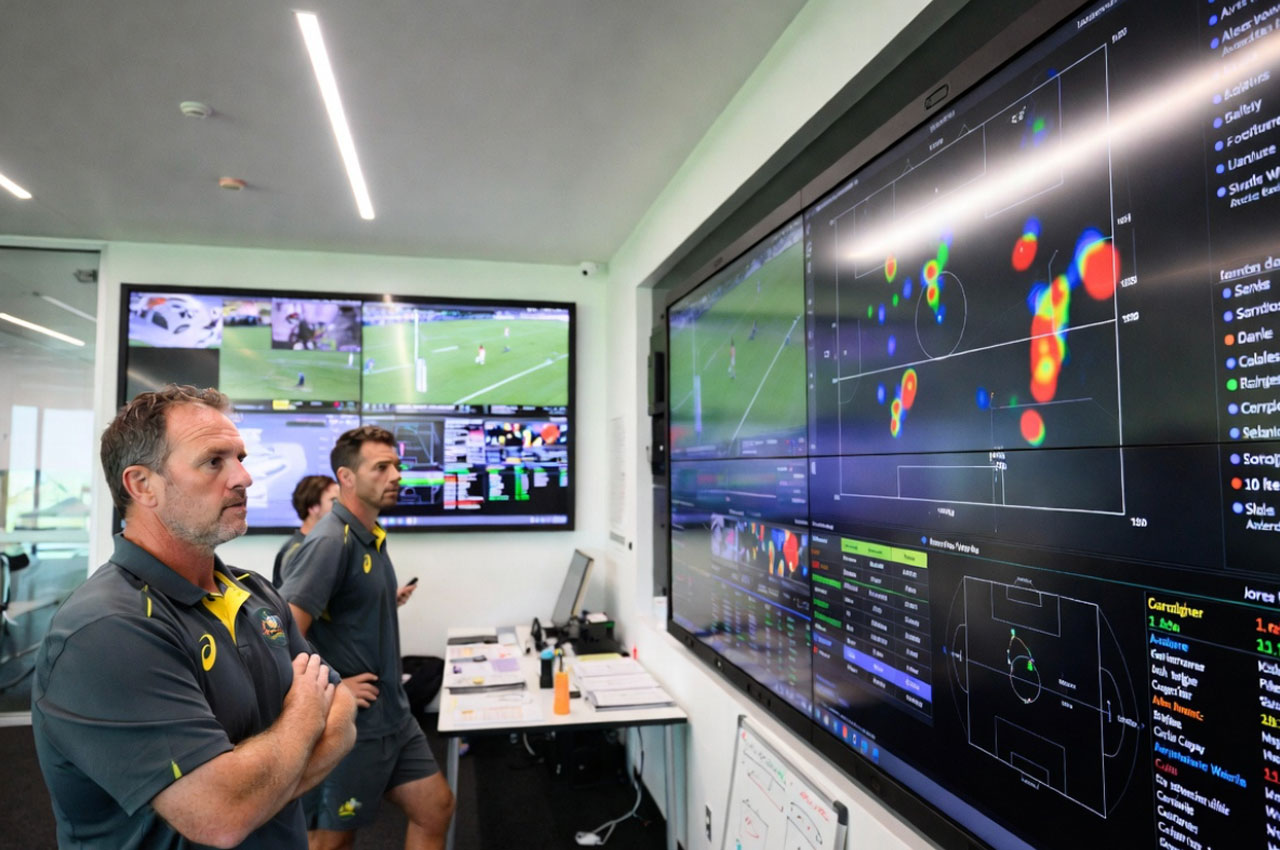
Australia’s New Rugby Coaching Trends Are Reshaping the Game
Rugby in Australia is going through a quiet revolution — and it’s happening off the field as much as on it. From the NRL to the Wallabies, a new breed of coach is emerging, and their methods look nothing like the traditional whistle‑blowing, clipboard‑throwing stereotypes of the past.
The Transition from Taskmasters to Mentors
The old‑school coach — the one who ruled through fear, barking orders and demanding blind obedience — is being phased out. In its place? A generation of mentors who prioritise connection over confrontation.
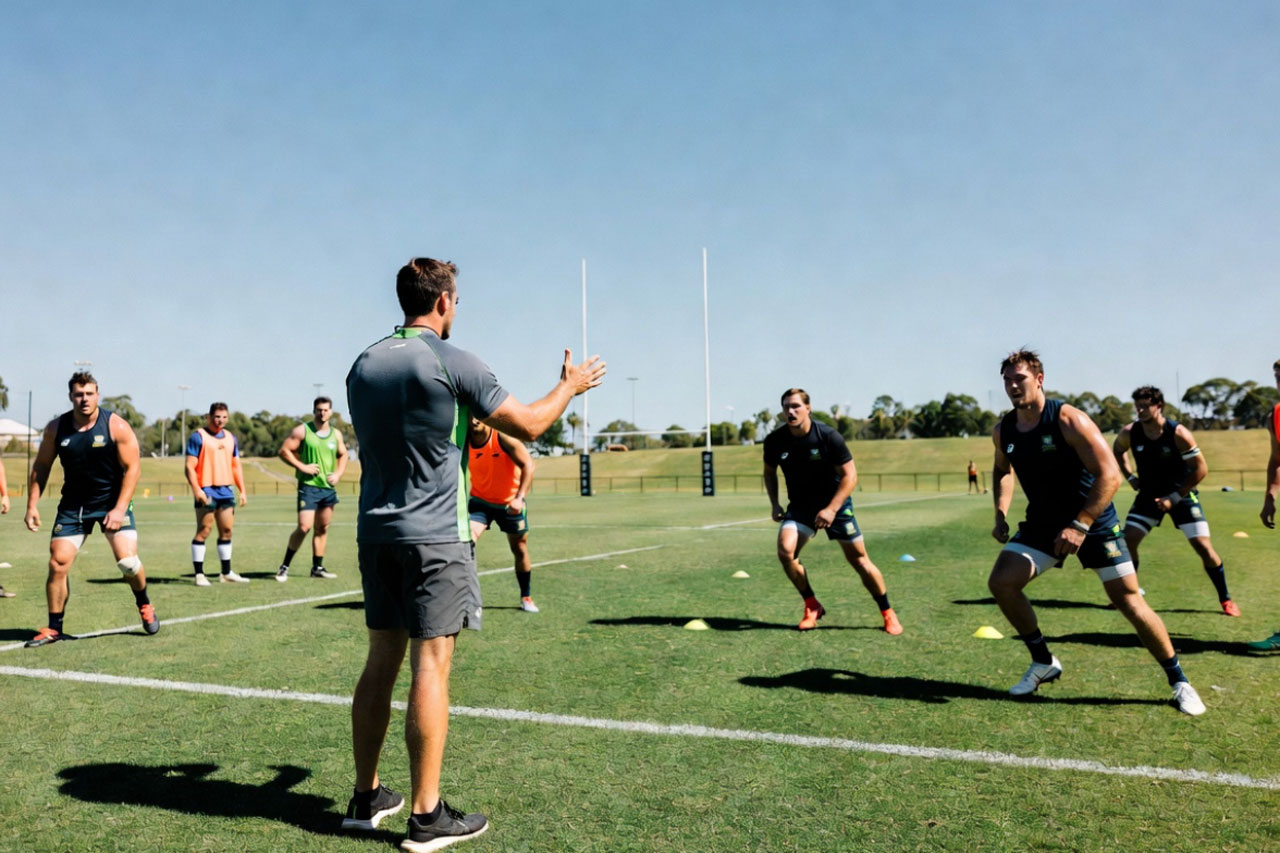
Benji Marshall at the Wests Tigers, Kieran Foran at Manly, and Andrew Webster at the Warriors are leading this charge. They’re proving that coaching in 2026 is less about Xs and Os and more about relationships, emotional intelligence, and understanding what makes modern players tick.
Key traits of the new coaching breed:
- Connection over control — players respond better to mates than masters
- Blurred hierarchies — senior players are partners, not subordinates
- Selective intensity — calm and collected, but capable of laying down the law when needed
- Work‑life balance — Marshall famously prioritised family over 23‑hour coaching days, earning fierce loyalty from his squad
As Tigers halfback Latu Fainu put it, Marshall’s style feels like “an older brother”. It’s a far cry from the hairdryer treatment of decades past.
The Smart Money — Playing by the Rules
Knowing the rules isn’t just about what happens on the field — the same principle applies to the online casino platforms where punters engage with the game.
A modern gambling site like Royal Reels casino offers plenty of ways to get involved, but the sharpest players understand that the terms of engagement matter as much as the action itself.
Whether it’s bonus fine print, registration protocols, or withdrawal conditions, staying across the details is the difference between smooth sailing and getting locked out. The Australian casino Royal Reels experience is built around transparency, but the responsibility still falls on the punter to know what they’re signing up for.
As any decent Australian online casino will tell you, the rules are there for a reason — and the smartest players treat them as part of the game, not an afterthought.
The Attack‑First Revolution
On the field, the tactical pendulum has swung hard toward attack. The Hurricanes’ dominant Super Rugby title run in 2026 — scoring 50+ points in all three finals — showcased a high‑risk, high‑reward style that’s now being studied by Test coaches worldwide.
What makes the new attack style different:
- Creating chaos — teams thrive in unstructured play, striking from contestable kicks and turnovers
- Speed over structure — over 60% of tries came within three phases
- Offloading — lower tackle heights have made offloading more effective
- Penalty goals are almost extinct — teams back themselves to score tries
The trend isn’t just Australian. The Six Nations saw 111 tries across 15 games this year, a massive jump from 4.8 per game in 2022. France and Ireland — two of the Wallabies’ upcoming opponents — scored 30 and 24 tries respectively, the highest and fourth‑highest totals in Six Nations history.
Australia’s Coaching Pipeline
One of the biggest changes is the growing depth of Australian coaching talent. Departing Wallabies assistant Laurie Fisher recently backed the current crop, saying “all four Super Rugby coaches stand up against any other provincial coaches in world rugby”.
Key developments:
- Stephen Larkham named Australia A head coach, with Simon Cron as assistant
- Chris Whitaker leads the Junior Wallabies
- Rugby Australia investing in coaching pathways to reduce reliance on international hires
Fisher also noted that Australian coaches need to take more risks in Super Rugby to keep pace with global trends. Meanwhile, the Wallabies are navigating an unprecedented mid‑season coaching handover, with Joe Schmidt overseeing the July Tests before Les Kiss officially takes over in August.
Where Australian Rugby Is Headed
The convergence of new coaching philosophies, attack‑first tactics, and a stronger domestic pipeline suggests Australian rugby is entering a genuinely exciting phase. The Wallabies have the cattle — players like Tom Wright, Max Jorgensen, and Joseph‑Aukuso Suaalii — and the coaching staff is adapting to global trends faster than ever before.
The challenge now is execution. As Wright noted, the Hurricanes’ success came from “really intentional training” — they didn’t just decide to throw the ball around and hope for the best. The same discipline and planning will be required if Australian rugby is to translate these coaching trends into silverware.