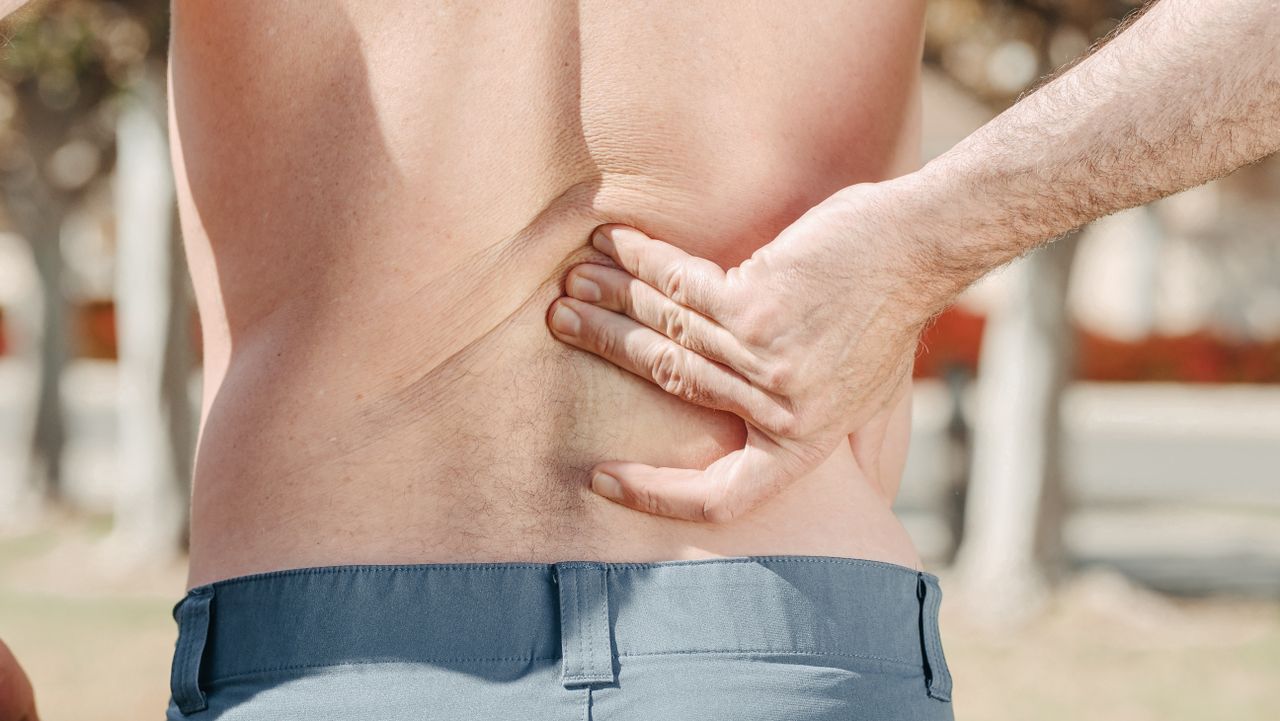
Physical pain is the body’s way of communicating internal problems that need medical or psychological attention. While pain levels may differ from one person to another depending on their age, health condition, and other factors, pain symptoms often fall into two main categories. On one hand, there’s pain that disappears as quickly as it shows up, known as acute pain, while on the other, there’s one that recurs, often known as chronic pain. Whether it’s acute or chronic pain, there are symptoms you should be wary of when classifying its seriousness. Here are a few pain symptoms you should never ignore.
Leg Pain With Some Swelling
Leg pain can be due to several causes, ranging from walking accidents to internal vein diseases. While some leg pains ease off with time, especially those resulting from long journeys and wearing pinching shoes, others are more serious and recurrent. If you experience leg pain that doesn’t go away with the painful area swelling up, it’s a sign that you need a doctor’s examination.
When legs swell and become painful, it could be a sign of deep vein thrombosis. This condition is dangerous because the clotted blood can find its way into the lungs, leading to pulmonary embolism. Early examination and diagnosis can be the difference between survival and succumbing to pulmonary embolism.
Severe Headache
An occasional headache is probably something you’re accustomed to, but when it strikes suddenly and bites intensely for an extended period, you may be dealing with something serious. A headache is often used as the best example for explaining acute pain or chronic pain symptoms. An acute headache often lasts a few minutes, and if it lingers, an over-the-counter drug can easily clear it out.
A severe or chronic headache is the opposite. It never goes away easily and might continue getting worse with time as treatment is delayed. If you’ve suffered a severe headache, you definitely need a doctor’s attention to help identify the root cause of the pain. Sometimes, the chronic pain could be because of bleeding in the brain after a blood vessel bursts. A burst vessel can happen to anyone at any age, which is why it’s important to take any signs of chronic headache seriously.
Traumatic Pain
While pain from traumatic incidents like falls and car accidents can be an obvious indication that one needs to seek immediate medical help, some victims still may ignore it. For example, in a car accident, a victim may ignore the pain if it eases off after some time.
However, they may be hiding a serious internal injury that requires medical attention. Even if a traumatic incident didn’t cause bleeding or visible fractures, it’s important not to ignore the initial pain you felt when the trauma occurred.
Traumatic pain can point to something more serious, like joint dislocations, bone fractures, or internal bleeding. Early pain diagnosis can help save limbs or lives when the best medical attention is provided on time.
In the unfortunate event you encounter any of the pain types listed above, it’s important to seek help as soon as possible to ensure the root cause of the pain is established and addressed.