Kenora OPP Respond to Two Lake of the Woods Marine Collisions
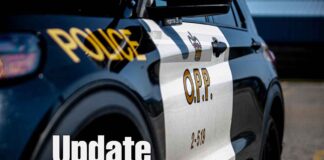
KENORA — Ontario Provincial Police are reminding boaters to stay alert, leave space between vessels and avoid alcohol while operating on the water after two separate marine collisions were reported on Lake of the Woods.
Two Collisions Reported in Three Days
Kenora OPP said officers responded at about 8:35 p.m. on May 21 to a collision involving two vessels at the south end of Devil’s Gap on Lake of the Woods.
Minor injuries were reported.
After officers attended, police determined alcohol was a factor. One of the people involved was served a seven-day driver’s licence suspension after registering an ALERT on an Approved Screening Device.
That person was also charged with operating a vessel in a careless manner, without due care and attention or without reasonable consideration for others, contrary to the Small Vessel Regulations under the Canada Shipping Act, 2001.
A second marine collision was reported at about 1:30 a.m. on May 23 in the area of 12 Mile Portage. Police said 911 callers reported their vessel had struck a reef and that there were injuries and children on board.
Police and EMS responded in difficult conditions, including rain, lightning, low visibility and strong winds of 43 km/h. Officers lost communication with the occupants while searching the area.
After several hours, police were able to make contact again and learned the occupants had made it back to Kenora and were at the hospital.
Police Urge Caution in Narrows and Poor Visibility
OPP are reminding boaters to keep a proper lookout, give other vessels plenty of room and slow down when travelling through narrows, areas with restricted visibility or changing weather.
Those safety reminders are especially important on Lake of the Woods, where reefs, islands, narrows and sudden weather changes can create dangerous conditions for both local residents and visitors.
Legal Context: Careless Operation and Impaired Boating
The careless-operation charge reported by OPP is a regulatory offence under section 1007 of the Small Vessel Regulations, which prohibits operating a vessel carelessly, without due care and attention, or without reasonable consideration for others. The offence is listed under the federal Contraventions Regulations with a set fine of $350.
OPP did not report Criminal Code impaired-operation charges in connection with these incidents. However, impaired-operation laws can apply on the water. Under the Criminal Code, a “conveyance” includes a vessel, and operating a vessel includes navigating it, assisting in its navigation or having care or control of it.
Criminal Code section 320.14 covers impaired operation by alcohol, drugs or a combination of both, as well as having a blood alcohol concentration at or above 80 mg of alcohol in 100 mL of blood within two hours of operating a conveyance.
For a basic impaired-operation offence under section 320.14(1), penalties available to the court include a minimum $1,000 fine for a first offence, 30 days in jail for a second offence and 120 days in jail for subsequent offences. The maximum penalty is up to 10 years in prison if prosecuted by indictment, or up to two years less a day, a fine of up to $5,000, or both, if prosecuted summarily.
All accused individuals are presumed innocent unless proven guilty in a court of law.
Plan a Sober Ride Before Leaving the Dock
Ontario’s impaired-driving rules also apply to people operating boats, snowmobiles and off-road vehicles. Ontario says a driver can face action in the warn range when blood alcohol concentration is between 0.05 and 0.079, with current first-time warn-range penalties including a seven-day immediate licence suspension, an education course and a $250 penalty.
Before heading out, boaters should plan for a sober operator and a safe way home. Options include arranging a designated boat operator and designated driver, using taxis or U-Ride where available, calling a friend or family member, using public transit in communities where it is available, staying overnight, or leaving the vessel docked until conditions and sobriety are safe.
As police often put it: water on the water, beer on the pier.