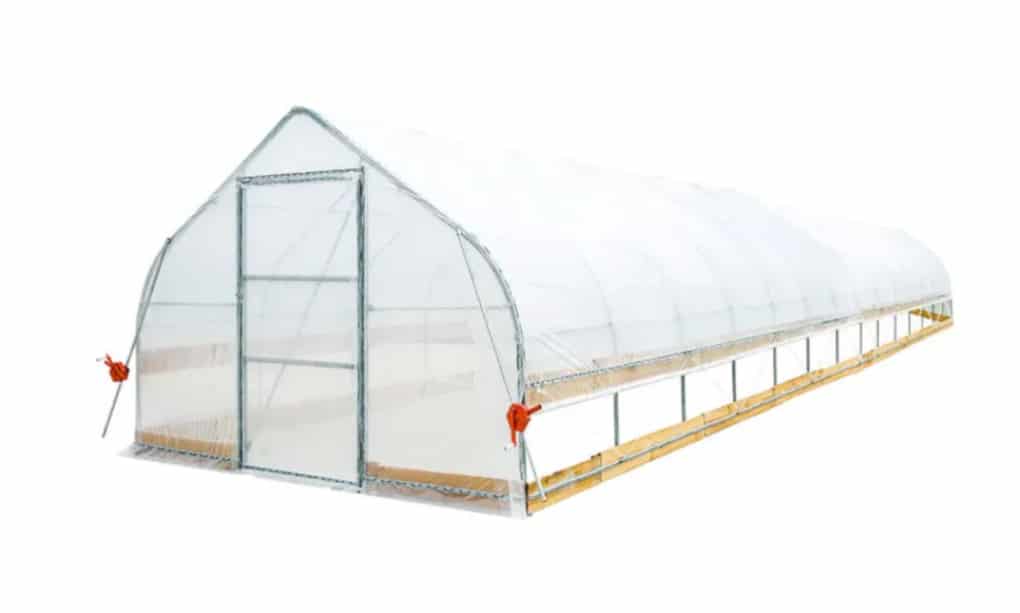
Across Canada, growers and industrial site managers face a shared challenge: how to protect sensitive plant materials and seasonal stock from weather while keeping operations practical and cost-conscious. For warehouse managers, equipment operators, logistics professionals, and industrial procurement teams, that challenge often appears in the form of temporary growing space, seasonal staging, or controlled outdoor storage. A tunnel greenhouse grow tent offers one answer by creating a covered structure that supports light transmission, airflow, and more predictable handling conditions.
A product such as the Tunnel Greenhouse Grow Tent shows why this format remains relevant in Canadian conditions. With a 12 x 60 foot footprint, about 720 square feet of covered space, a galvanized steel frame, and a clear EVA film cover designed for strong light transmission, this kind of structure can support seedling growth, seasonal plant protection, and organized staging of horticultural materials.
Why This Structure Matters in Canada
Canada has a short outdoor growing season in many regions, along with cold nights, sudden weather shifts, and long periods of rain or wind. These conditions make open-air growing and storage difficult. A tunnel greenhouse grow tent helps create a more stable growing zone by shielding plants and materials from direct exposure while still allowing sunlight to enter.
In practical terms, this matters for:
- Commercial nurseries and farm support operations
- Municipal grounds departments
- Facilities managing seasonal landscaping stock
- Industrial buyers sourcing protected outdoor growing space
Common Methods and Use Cases
Protected Growing and Early Plant Development
One of the most common uses is seedling and transplant protection. A tunnel structure can hold warmth more effectively than open ground and reduce stress from wind and sudden temperature drops.
Seasonal Staging and Workflow Support
These tents can also support staging for trays, carts, tools, irrigation supplies, and seasonal plant stock. Roll-up sides and a walk-through door can improve ventilation and make access easier during loading, watering, and maintenance tasks.
Why Efficiency, Safety, and Productivity Matter
In operational settings, a greenhouse is not only about growing. It affects handling efficiency, product loss, labour time, and site safety. When plants and related materials are stored without protection, teams often spend more time moving stock, replacing damaged items, and responding to weather-related setbacks. A defined covered growing area supports more consistent routines and clearer site organization.
Technical Basics and Capability Considerations
Buyers should review frame material, film quality, usable dimensions, airflow control, entry access, and site anchoring needs. In this equipment class, a galvanized steel frame supports corrosion resistance, while a clear EVA cover can improve light penetration and growing conditions. Roll-up sides are important because ventilation directly affects heat, humidity, and plant health.
Factors That Affect Performance and Effectiveness
Performance depends on more than the structure itself. Site drainage, base preparation, airflow management, snow exposure, internal layout, and cleaning routines all shape results. A good greenhouse placed on poor ground may still create standing water, unstable footing, and avoidable maintenance problems.
Safety Best Practices, Equipment, and Limits
- Install the structure on level, stable, and well-drained ground
- Inspect frame joints, cover condition, and door hardware regularly
- Keep walkways clear for safe movement of workers and carts
- Use ventilation carefully to control heat and moisture buildup
- Do not treat the structure as a substitute for permanent hazardous storage
Common related items include irrigation equipment, shelving, seed trays, carts, thermometers, humidity monitors, anchoring hardware, and repair materials. The main advantages are light transmission, flexible growing space, and seasonal usefulness. The main limits are reduced insulation, weather dependence, and the need for regular monitoring in harsh conditions.
A Real-World Example and Final Outlook
A realistic example is a municipal operations team using a TMG Industrial tunnel greenhouse grow tent to hold bedding plants, replacement shrubs, and seasonal trays before installation in parks and streetscapes. Instead of exposing stock to open-yard weather, the team gains a more controlled space for watering, staging, and short-term protection.
Looking ahead, Canadian operations are likely to place more value on modular growing systems that support flexible planning, better asset protection, and improved environmental control. For organizations that manage live plant material or seasonal horticultural workflows, tunnel greenhouse grow tents will remain a practical part of that strategy.