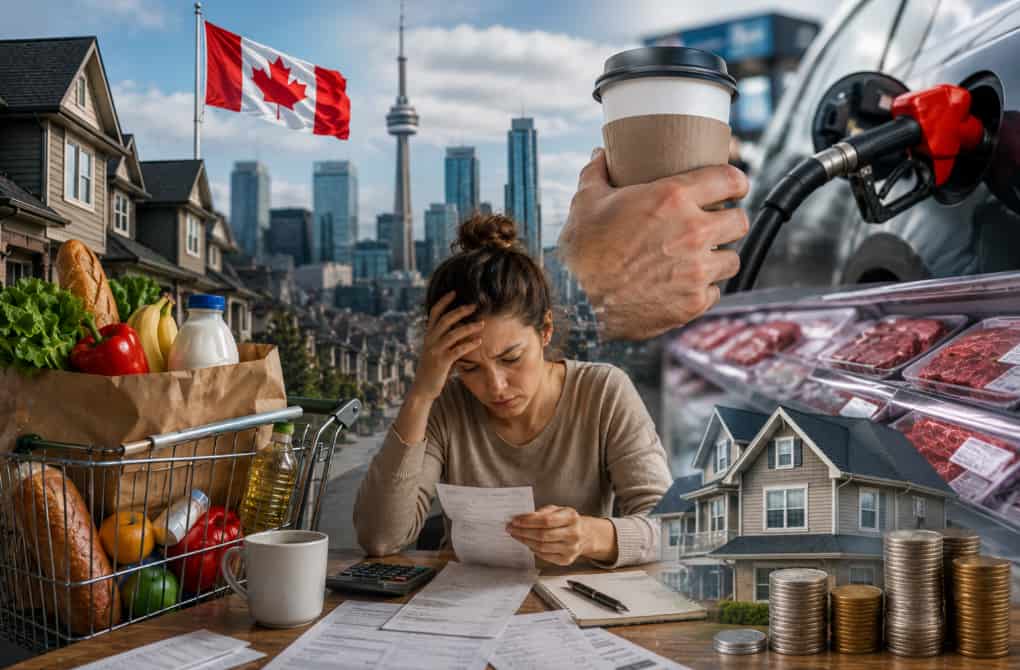
Many people across Canada now question whether everyday life has become financially sustainable. Housing costs continue rising, grocery bills stretch household budgets, and transportation expenses affect nearly every worker. Even middle-income earners increasingly report financial stress.
Conversations about rising costs now appear everywhere, including sports forums, financial discussions, and online entertainment spaces connected to slot games, live dealer tables, poker, and betting communities such as AFK Spin. These discussions often return to the same issue: many Canadians feel they spend more while saving less.
The pressure does not come from one source alone. Several economic factors now combine and affect daily life at the same time.
Housing costs dominate household budgets
Housing remains the largest financial burden for most residents. Rent and mortgage payments consume a major share of monthly income in many regions.
People face several challenges:
- Limited housing supply
- Higher borrowing costs
- Rising property taxes
- Increased insurance expenses
- Strong population growth in urban areas
Many workers now spend well above recommended income ratios on housing alone.
Young adults especially struggle to enter the housing market. Some delay moving out, while others relocate far from city centers to reduce expenses.
Grocery prices continue climbing
Food costs increased steadily over recent years. Families notice the difference immediately during weekly shopping trips.
Items that rose sharply include:
- Dairy products
- Fresh produce
- Bread
- Meat
- Cooking oils
Consumers now compare prices more carefully than before. Many households also reduce restaurant spending to offset grocery inflation.
The question why is beef so expensive in Canada appears frequently because meat prices rose sharply due to feed costs, transportation expenses, weather conditions, and supply chain pressure.
Transportation costs affect every region
Transportation creates another major expense. Even people who avoid car ownership still face higher public transit prices and delivery costs.
Drivers experience pressure from:
- Fuel prices
- Insurance rates
- Maintenance costs
- Parking fees
The question why is gas so expensive in Canada continues appearing because fuel prices respond to taxes, refining costs, seasonal demand, and international oil markets.
People living outside large urban areas often face even higher transportation expenses because they rely heavily on personal vehicles.
Wages struggle to match inflation
Salary growth exists in some industries, but many workers still feel inflation outpaces earnings.
This gap creates several problems:
| Expense Category | Average Trend |
| Housing | Sharp increase |
| Groceries | Steady increase |
| Utilities | Moderate increase |
| Average wages | Slower growth |
When costs rise faster than income, purchasing power declines.
Many households now rely on side income, freelance work, or overtime simply to maintain their previous lifestyle.
Coffee prices reflect broader inflation
Small purchases also reveal changing economic conditions.
The phrase why is coffee so expensive in canada became common because coffee prices now reflect:
- Higher import expenses
- Transportation costs
- Labor increases
- Packaging costs
- Weather-related supply issues
A daily coffee habit now creates noticeable monthly expenses for many consumers.
Small recurring purchases matter more during periods of high inflation.
Urban life feels less affordable
Large metropolitan areas continue attracting workers, students, and immigrants. At the same time, living costs in those regions keep climbing.
The most expensive cities in canada often share similar patterns:
- Expensive housing
- Higher food prices
- Competitive rental markets
- Longer commuting costs
Residents in major cities increasingly adjust their lifestyles to manage expenses.
Some people now:
- Share housing with roommates longer
- Delay major purchases
- Move to smaller apartments
- Relocate to suburban areas
These choices reflect broader financial pressure.
Energy bills remain difficult for households
Utility costs continue affecting both renters and homeowners.
Important factors include:
- Winter heating demand
- Electricity pricing
- Aging infrastructure
- Climate conditions
Cold weather creates unavoidable expenses in many provinces.
Households with older homes often face higher monthly bills because insulation and heating systems perform less efficiently.
Immigration growth affects demand
Population growth contributes to economic activity, but it also increases pressure on housing and infrastructure.
More residents create stronger demand for:
- Rental units
- Public transit
- Healthcare services
- Childcare spaces
Without enough supply growth, prices often rise faster.
This issue affects both new arrivals and long-term residents.
Students face major financial pressure
Post-secondary students now deal with several financial challenges simultaneously.
Common concerns include:
- Tuition costs
- Housing expenses
- Food inflation
- Transportation
Many students balance full-time studies with part-time employment.
Some graduates also carry debt into their early working years, which limits their ability to save money or purchase homes.
Interest rates changed consumer behavior
Higher interest rates affected both homeowners and renters indirectly.
Borrowing became more expensive for:
- Mortgages
- Vehicle loans
- Business financing
- Credit cards
These increases reduced consumer spending power.
Some households now prioritize debt repayment over savings or discretionary spending.
Rural areas also feel the pressure
Rising costs no longer affect only major cities.
Smaller communities now experience:
- Higher grocery transportation costs
- Limited housing supply
- Increased fuel dependence
Residents in remote regions often pay more for essential goods because delivery routes remain expensive.
That issue affects northern communities especially heavily.
Healthcare costs still impact households
Canada maintains public healthcare systems, but households still face out-of-pocket expenses.
Examples include:
- Prescription medication
- Dental care
- Vision services
- Mental health support
These expenses create additional strain for families without extended insurance coverage.
Childcare expenses remain high
Parents continue struggling with childcare costs despite policy efforts aimed at affordability.
Childcare affects household budgets in several ways:
- Monthly fees
- Reduced working hours
- Transportation coordination
- After-school programs
Many families base career decisions around childcare availability and affordability.
Debt levels continue increasing
Consumer debt remains an important issue.
Many households now carry balances related to:
- Credit cards
- Personal loans
- Vehicle financing
- Lines of credit
Higher interest rates make repayment more difficult.
Financial stress often grows when households use debt to cover basic expenses instead of large purchases alone.
Younger generations delay milestones
Many younger Canadians postpone traditional financial milestones because costs feel too high.
Delayed milestones include:
- Buying property
- Starting families
- Long-term investing
- Building savings accounts
Economic uncertainty contributes heavily to these delays.
People increasingly focus on short-term survival instead of long-term planning.
Small businesses also face rising expenses
Local businesses experience many of the same pressures affecting consumers.
Owners now manage:
- Rent increases
- Utility costs
- Payroll expenses
- Supply costs
Some businesses increase prices simply to maintain operations.
Consumers then absorb those increases through everyday purchases.
Remote work changed housing patterns
Remote work shifted migration patterns inside Canada.
Some workers moved away from downtown cores into suburban or rural regions. That movement increased demand in previously lower-cost areas.
As demand grew:
- Rental prices increased
- Home values rose
- Infrastructure pressure expanded
Affordability problems spread into more regions instead of staying concentrated in major cities.
Food insecurity affects more households
More families now rely on community food support programs.
Several causes contribute to this issue:
- Inflation
- Housing costs
- Wage stagnation
- Debt pressure
Food insecurity no longer affects only unemployed households. Many working families now report difficulty covering monthly grocery costs consistently.
Climate conditions influence costs
Climate-related events also affect living expenses.
Wildfires, floods, and severe weather disrupt:
- Transportation routes
- Food production
- Insurance pricing
- Utility systems
These disruptions increase costs for both governments and consumers.
Insurance premiums especially rose in some higher-risk regions.
Financial stress affects mental health
Economic pressure creates emotional strain.
Common effects include:
- Anxiety about bills
- Sleep problems
- Delayed healthcare visits
- Reduced social spending
People often feel trapped between rising costs and stagnant savings.
Financial stress also affects relationships and long-term planning.
Why many people still stay in Canada
Despite rising costs, many residents still value several aspects of life in Canada.
Important reasons include:
- Public infrastructure
- Education systems
- Political stability
- Employment opportunities
- Natural resources
However, appreciation for these strengths does not remove affordability concerns.
Many residents now question whether income levels can continue supporting current living costs.
Could affordability improve?
Several factors could influence future affordability:
| Factor | Possible Impact |
| Increased housing supply | Lower rental pressure |
| Lower inflation | More stable pricing |
| Wage growth | Better purchasing power |
| Lower interest rates | Reduced borrowing costs |
Improvement would likely require several changes happening together rather than one isolated solution.
Conclusion
Canada continues offering economic opportunities and stable public systems, but daily life has clearly become more expensive for many households. Housing, groceries, transportation, and utilities now consume larger portions of income than in previous years.
Questions like why is coffee so expensive in Canada, why is gas so expensive in Canada, and why is beef so expensive in Canada reflect broader frustration with rising prices across multiple sectors.
At the same time, the most expensive cities in Canada continue attracting population growth despite increasing affordability challenges. Many residents now adjust spending habits, delay financial goals, and search for ways to reduce monthly expenses.
The larger issue no longer centers only on luxury spending. For many people, the concern now focuses on whether ordinary living costs remain manageable over the long term.