THUNDER BAY – OPINION – “It always seems impossible until it’s done.” Those words, attributed to Nelson Mandela, speak to the conversation growing louder in Thunder Bay, the one about the change that has to happen if this city is going to be safe, growing and prosperous again. “Remember when…” and “How did this happen?” are questions I hear too often, from too many people, in too many rooms where nothing changes afterward.
I have spent many years as an entrepreneur in this city. I have invested here, owned commercial property here, operated businesses here, and believed, in the way you only believe in a place you’ve built something inside of, that Thunder Bay could be better than what it has become. I still believe that. But I have also made the decision to sell and relocate to another city, one where I can operate a business without carrying the daily risk of bodily harm as part of the cost of doing it. That is not a sentence I ever expected to write about the place I chose to build my life. And as I wait for someone courageous enough to buy my southside commercial building, I have had a great deal of time to think about how we got here.
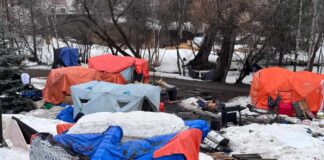
Statistics Canada’s most recent report puts Thunder Bay’s Crime Severity Index at 114.1 against a national figure of 75.0, more than 50 per cent above the national average, and reports our police-reported crime rate rose 18 per cent in a single year, the largest increase of any metropolitan area in the country, while the national rate was falling. Thunder Bay now carries the highest Crime Severity Index of any Ontario city, ahead of Toronto, ahead of Ottawa, ahead of every other Ontario metro area on the list. Statistics matter. But those of us who open our doors for business every morning did not need Statistics Canada to tell us there is a problem. We see it. We see the addiction, the homelessness, the mental health crises unfolding in real time on our sidewalks, the vandalism, the theft, the violence. We watch a community grow accustomed to what should never have become normal, and none of that means the people struggling on our streets deserve to be abandoned. Quite the opposite. What we are doing is not working for them either.
Thunder Bay has real advantages: commercial space that is still affordable by Canadian standards, a university and a college, a regional hospital, natural beauty and access to the outdoors, and people who have built businesses here against genuinely difficult odds. What we have lost is the expectation that things can actually get better.
With the municipal election ahead, do not choose whoever promises every group their own version of the status quo. Choose candidates willing to have the uncomfortable conversation. How will you make people feel safe opening a business downtown or on the south side? How will you attract investment? What will you do, differently, about addiction, homelessness and public disorder? Who are you prepared to say no to?
I am leaving Thunder Bay. I sincerely wish it well. Change is not impossible. It is imperative, and this city has to stop pretending that what it is doing is working.
Lori J. Paras