
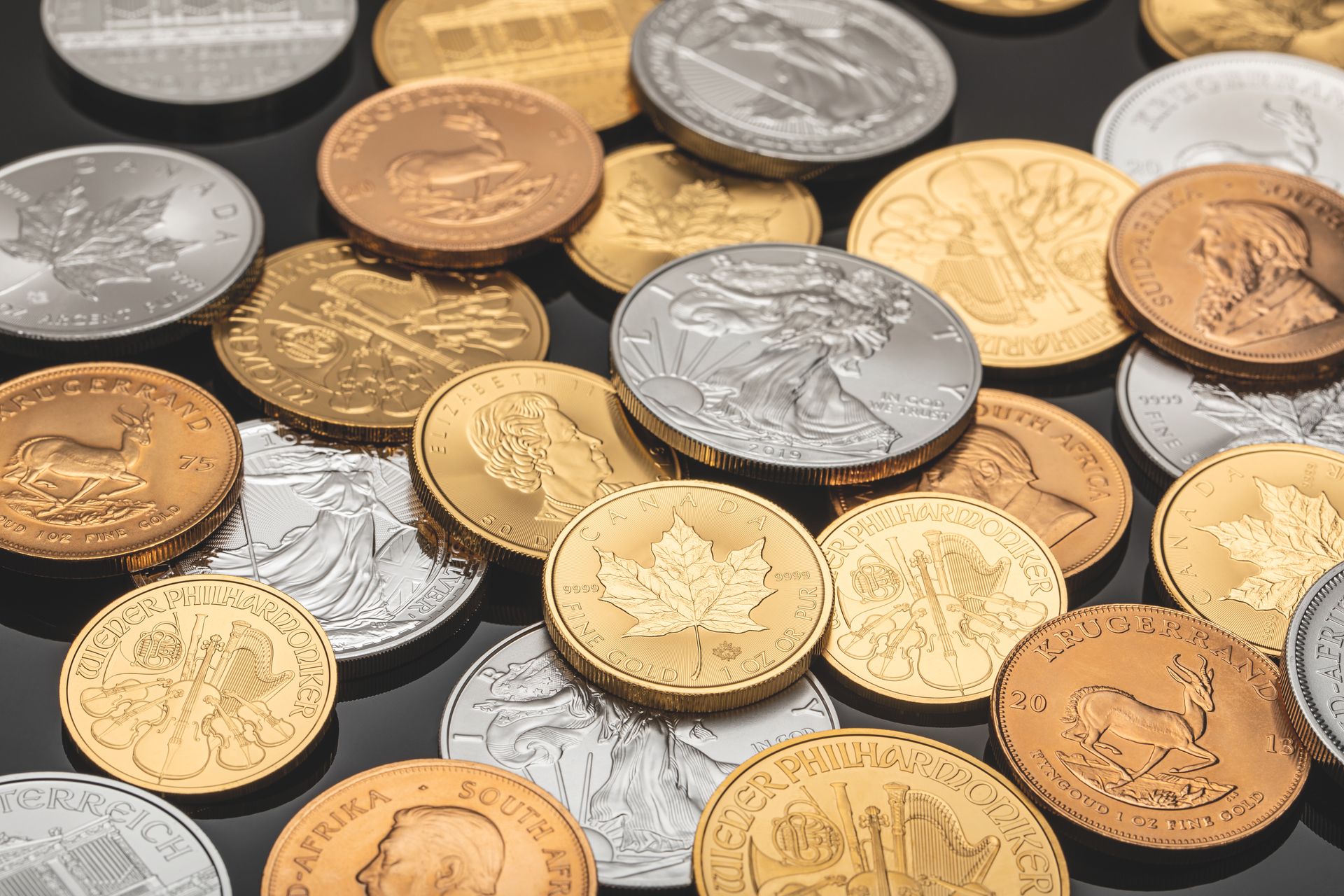
A silver coin in a market stall and a gold ornament kept for a daughter’s marriage belong to the same story, but they served different purposes. One passed between hands; the other might stay within a family for generations. That contrast gives gold and silver in everyday economic history a human scale often missing from financial headlines.
Today, reports about inflation, central bank reserves, and precious metals raise an old question: why do these materials still command attention when everyday payments rarely involve either? Their history runs through wages, household savings, and arguments about purchasing power. Understanding that history starts with the distinction between a medium of exchange and a store of value.
The Short Answer: Money Ordinary People Could Hold
For much of recorded history, gold and silver were physical money people earned, spent, and saved. Silver served as a medium of exchange for wages and markets, while gold held value over years and generations. Their different roles explain why both remain recognizable after leaving everyday circulation.
The metals’ value did not depend on a government’s promise to redeem them. When currency debasement or inflation reduced purchasing power, their metal content offered a separate basis for value. That distinction helped establish their place in public memory as a store of value, not simply a means of payment.
Today, central bank buying, inflation concerns, and the coins and jewelry households still own continue that history. Institutional reserves and family savings serve different purposes, but both keep precious metals connected to questions about money and trust.
Silver Paid the Bills, Gold Kept the Savings
Early coinage began in Lydia, starting a history in which gold and silver acquired different, though overlapping, everyday jobs.
Silver Coins in Wages and Market Stalls
In Athens, silver drachmas paid soldiers, rowers, and jurors. Silver coinage connected public spending with ordinary livelihoods: payment for service became money for food, clothing, and other household needs.
Its usefulness came partly from denomination. Silver made payment convenient without concentrating as much wealth in a small coin as gold did. Smaller denominations and base-metal coins handled purchases for which even silver was too valuable.
Later, silver from Potosí travelled through Spanish pieces of eight into trade with China and India. These precious metal flows weren’t simply exchanges between rulers or merchants. Silver entered local economies as payments, working capital, and savings.
The same metal could finance distant commerce and settle obligations close to home. International trade was therefore also part of the history of household money.
Gold From the Witwatersrand to the Krugerrand
Gold generally occupied a different place in household finances. Its concentrated value made it less convenient for market purchases but useful for holding substantial savings in a portable form. Jewelry combined adornment with something that could later be sold or pledged.
In India, that overlap between ornament and family savings remains part of gold’s everyday significance. A necklace isn’t necessarily separate from household finances simply because someone wears it.
Following the 1886 Witwatersrand discovery, South Africa became the world’s largest gold producer. In 1967, the gold Krugerrand offered individual owners a bullion coin containing one troy ounce of gold and became one of the world’s most widely held gold coins.
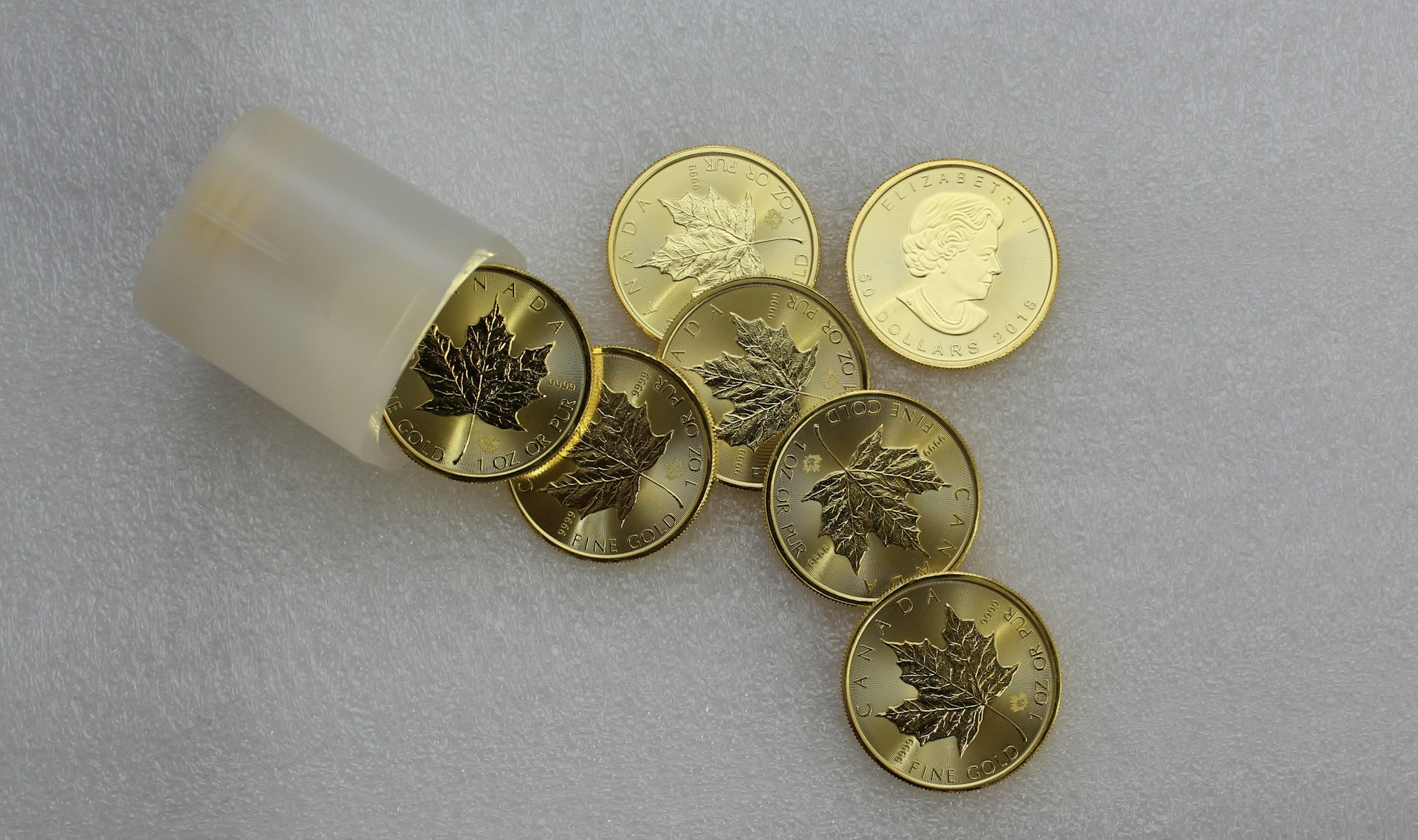
Its continuing appearance beside the American Gold Eagle and Canadian Maple Leaf in catalogues including Monex’s international coin selection illustrates how South Africa’s mining legacy still reaches individual owners.
When Coins Lost Weight: Debasement and Gresham’s Law
Currency debasement meant reducing a coin’s precious-metal content while retaining its stated value. This stretched a ruler’s metal supply without creating more goods. As sellers demanded more coins, households found that the same payment bought less. The Roman denarius went from nearly pure silver to a thin silver wash by the late third century. Prices rose sharply, although inflation wasn’t simply a metal-content calculation.
People also responded by sorting their money. When full-weight and debased coins passed at the same official value, spending the weaker coin preserved the more valuable one. Gresham’s Law captures this incentive in the phrase “bad money drives out good.” The condition matters: the rule concerns money treated as equivalent despite differences in underlying value, not every situation involving competing currencies.
A similar incentive operated between gold and silver. If an official gold-to-silver ratio valued one metal below its market worth, holders had a reason to withdraw it, export it, or sell it as metal. The coin disappeared from spending because another use paid better. That gap between official equivalence and market value became a persistent difficulty for bimetallism.
From Bimetallism to Fiat, and Why the Interest Stayed
The transition away from metal money wasn’t a single change. Silver and gold lost their monetary roles through different decisions.
How Silver Left Everyday Pockets
Bimetallism gave both metals a monetary role at an official exchange ratio. Gold-standard systems instead made gold the reference point, reducing silver’s position even where silver coins remained familiar.
Britain, then Germany, then the United States shifted toward gold. The US Coinage Act of 1873 diminished silver’s monetary role, helping animate the Free Silver movement. The dispute concerned credit, debts, and the supply of money, not merely coin design.
The United States stopped putting silver in ordinary dimes and quarters after 1964. That distinction separates demonetizing silver as a monetary standard from removing it from everyday coins.
Gold Standard, Bretton Woods and the 1971 Break
Under the classical gold standard, currencies were linked to specified quantities of gold. The World Wars disrupted those commitments, and restoring earlier arrangements proved difficult.
The Bretton Woods system established a different structure: participating currencies related to the dollar, while the dollar retained official gold convertibility at $35 an ounce. This wasn’t a return to households routinely paying with gold coins.
Nixon ended that convertibility in 1971, marking the decisive break. Fiat currency doesn’t promise redemption into a fixed quantity of precious metal. Its acceptance instead rests on the monetary system, institutions, and confidence surrounding it.
Why People Still Watch the Metals Today
Inflation keeps the distinction between a monetary amount and purchasing power relevant. A larger balance doesn’t necessarily buy more goods, helping explain interest in assets outside ordinary currency balances.
Record central bank buying in recent years and steady household demand in India and China reflect that interest. Institutional reserves and family jewelry aren’t interchangeable, but both place gold alongside financial claims rather than treating it as obsolete.
Silver also draws demand from electronics and solar equipment, combining monetary history with industrial usefulness. Gold has nonmonetary uses, too, so a purely industrial silver versus purely monetary gold contrast would oversimplify matters.
What Old Coins Still Teach About Money Today
Gold and silver retain public interest because their history isn’t confined to treasuries. It includes wages earned, purchases made, jewelry inherited, and savings kept outside someone else’s promise to pay. Those everyday experiences give their monetary history a lasting human relevance.
Debasement and the withdrawal of better coins also reveal a lasting distinction between money’s official designation and what people believe it can buy. Fiat currency changed the monetary framework, but it didn’t remove questions about trust or purchasing power.
The metals remain part of that discussion because their long use as money and a store of value gives those questions a tangible form.