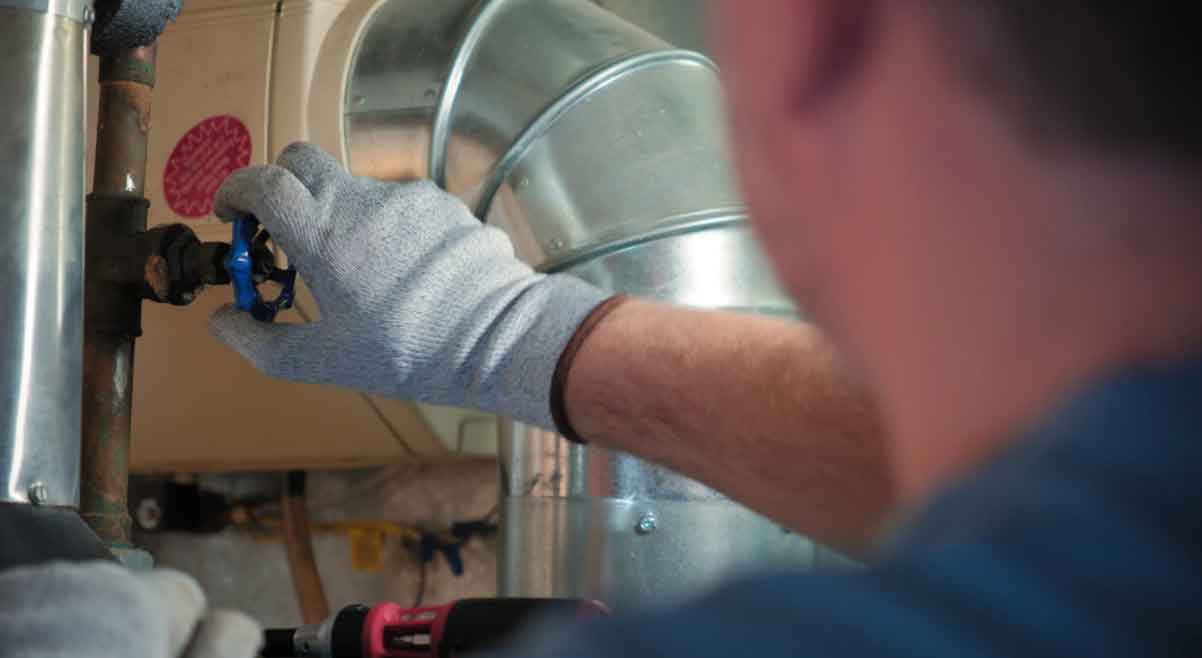
HVAC technicians keep modern life running. They install, maintain, and repair the heating, cooling, and ventilation systems that make spaces livable, functional, and operational. As buildings get smarter and energy efficiency becomes non-negotiable, the demand for skilled HVAC professionals is climbing fast.
What if the fastest path into a stable, six-figure-potential career in 2026 is a hands-on diploma program that puts you into the workforce in months? HVAC is one of the few careers where demand outpaces supply year after year. The work itself is also essential to how communities function.
How Do HVAC Diploma Programs Prepare You for the Field?
A quality HVAC technician diploma is designed to move a student from zero experience to job-ready in months, not years. The best programs blend classroom theory with real hands-on lab work, teaching refrigeration cycles, electrical systems, ductwork installation, EPA certification prep, and modern smart-system diagnostics all in one integrated curriculum.
Programs that consistently place graduates into strong first jobs share a few common features:
- Faculty with real field experience
- Hands-on lab time with real equipment rather than simulations
- EPA 608 certification prep built into the curriculum
- Coursework on modern smart-system diagnostics and app-connected controls
- Career placement support that connects graduates to hiring HVAC companies
Diplomas move faster than degrees and cost less. They also land graduates in a career market that wants trained people.
What Career Opportunities Are Available in HVAC?
The career paths inside HVAC are broad. A trained technician can move across:
- Residential service
- Commercial installation
- Industrial refrigeration
- Specialized fields like data center cooling or clean-room HVAC
Each path pays differently, offers different schedules, and rewards different specializations. Beyond the technician role itself, HVAC opens doors to:
- Project management
- Energy auditing
- Service management
- Running your own business
Many of the most successful HVAC business owners in the country started as apprentices before scaling into six- and seven-figure companies. Understanding the full picture also means knowing where HVAC fits into the wider building contract ecosystem. HVAC is one of the biggest cost centers in every new build, which means skilled techs sit close to the money in every construction project.
Why Is Demand for HVAC Technicians Growing So Fast?
Demand is climbing for three connected reasons. Every new home, hospital, school, and data center needs climate control. Existing buildings need retrofits to meet tightening energy-efficiency standards. There is also a wave of experienced technicians that’s aging into retirement.
According to the U.S. Bureau of Labor Statistics, employment of heating, air conditioning, and refrigeration mechanics is projected to grow 8% from 2024 to 2034. The median annual wage sat at $59,810 in May 2024, and top earners exceeded $91,000. Those numbers explain why HVAC has become one of the most reliable career bets in the skilled trades.
The work is also insulated from most of the pressures reshaping the broader economy. HVAC skills can’t be automated away or outsourced overseas.
Why Is HVAC One of the Most AI-Resistant Trades Today?
HVAC work happens inside crawl spaces, on rooftops, and behind mechanical panels. There is no place for any algorithm.
Every service call needs touch, judgment, and physical presence. The rise of AI has reshaped white-collar work, but hands-on trades like HVAC have become more valuable. If you’re smart, you should opt for skilled trades right now.
HVAC Is Where Skilled Trades Are Headed
The skilled trades are having a moment, and HVAC technicians is at the center of it. Demand is climbing, wages are rising, and the barrier to entry is well within reach for anyone willing to do the work. With just a hands-on diploma, you can start working.
It’s one of the few careers in 2026 that offers real stability, real earning potential, and real usefulness to the community. Subscribe to our email list to get more job tips.