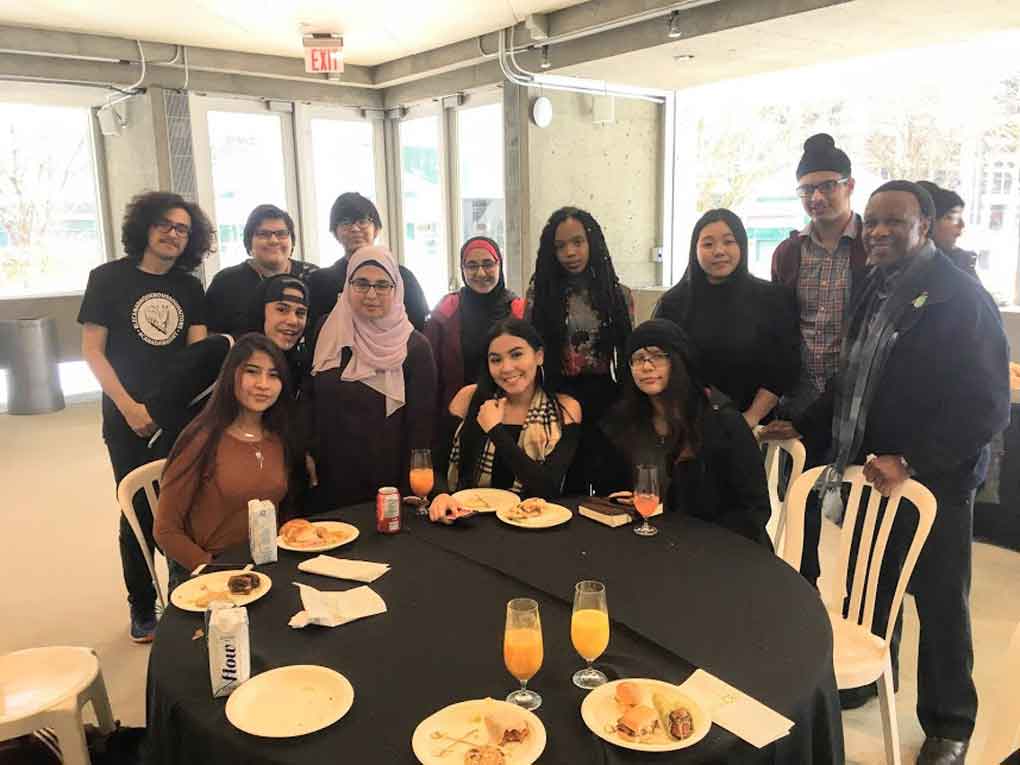
THUNDER BAY – LETTERS – The Regional Multicultural Youth Council (RMYC) is urging Thunder Bay residents to review the platforms of candidates running in the 2026 municipal elections. We are appealing to those who can vote to choose leaders committed to investing in the wellbeing of children and youth because we are this community’s most valuable human resource for the future.
To create the Thunder Bay we want, children need moral guidance, a good education and nurturing support to thrive and have a happy life while contributing to the betterment of our city and society.
Thunder Bay City Council adopted a Children’s Charter on June 14, 2004 and appointed a Thunder Bay Children’s Advocate to ensure that basic rights and freedoms enshrined in the United Nations Convention on the Rights of the Child Canada ratified in 1991 are applied in our community.
The document is displayed on the wall in front of Council Chambers and lists the following ten points: 1) providing for children’s physical, intellectual, emotional and social needs; 2) ensuring children have enough food and nutrition every day; 3) they have a safe and comfortable place to live; 4) have childcare and early education programs; 5) safe places to play and access to affordable recreational activities; 6) quality primary, secondary and affordable post secondary education; 7) have resources to ensure life-long good health; 8) are served by governments that put the health and well-being of children first by ensuring enough funding for children’s programs; 9) have protection from neglect and abuse; and 10) safety from exploitation.
There are local agencies and groups working in areas listed in the Thunder Bay Children’s Charter, but they operate independently and are funded separately according to the specific programs they run. They focus on their individual mandates and their services are limited to their criteria. Consequently, there are children falling through cracks in the system. Some drop out of school and become unemployable to support themselves or contribute to our economy. Others become homeless adults living in encampments, or addicts on our streets panhandling and adding to the high crime rates. This raises the risk of creating dysfunctional parents resulting in child apprehensions and growing numbers of youth-in-care. The list of preventable social problems in Thunder Bay continues to grow with no end in sight.
We believe that a city-driven comprehensive approach to implement the Children’s Charter is our best strategy to turn things around and join other safer communities with low youth crime rates. But there is no one at City Hall to rally all social service agencies, community groups and Indigenous organizations working with children and youth under one umbrella promoting a shared municipal vision to advance the Thunder Bay Children’s Charter. The last Thunder Bay Children’s Advocate (Councillor Frank Pullia) lost his seat in the 2018 municipal election and the position has remained vacant in spite of our youth council’s pleas to have it filled. Councillor Pullia consulted with various service agencies in the city, and co-ordinated a network to better serve the needs of children and youth, and formed partnerships fo implementing the Seven Youth Inquest Recommendations to enhance the wellness, safety and success of First Nations youths coming to the city with potential to succeed but lack urban life-skills, a good education or commercial work experience local businesses want.
We need a Children’s Charter champion on City Council to bring stakeholders together and build bridges between different agencies to create seamless supports for children from broken homes stuck in poverty, those dealing with mental health issues and fetal alcohol diseases, as well as young boarding students studying way from home. Intervention can prevent underprivileged youths from joining gangs to feel they belong, and stop at risk youths growing up to be troubled adults adding to our population of struggling city residents who become an economic burden that is unsustainable and threatens our safety, security and quality of life.
The Children’s Charter calls for governments to put the health and well-being of children first by ensuring enough funding for children’s programs. We are a dependent population and do not have a vote to select who governs us but have a voice to speak up. Hence this call for voting citizens to elect visionary leaders who realize the long-term socio-economic benefits of investing in proactive programs and social supports upstream. Meeting the needs of vulnerable children during the formative years will reduce the numbers of damaged adults relying on food banks and homeless shelters, as well as cut-back on the demand for foster homes, costly police officers, security guards, prison beds and so forth. An ounce of prevention is worth a pound of cure!
The next city council should fill the Children’s Advocate position to mobilize the community and focus on the Thunder Bay Children’s Charter as our goal in the City’s Strategic Plan to stop negative trends we are seeing around us becoming normalized and acceptable. Collaboration will enable us to engage diverse kids and teens as part of the solution to reconciliation and the many problems our community is facing. There is a proverb ‘It takes a village to raise a child’ emphasizing that children’s upbringing is a shared responsibility involving the entire community and not just the parents. Building on the Children’s Charter, we can also reach out to surrounding First Nations struggling to break the devastating cycles of intergenerational trauma from being passed on to next and successive generations including those moving to urban centres.
According to social reformer and abolitionist Frederick Douglass “It is easier to build strong children than to repair broken men”. The trend is clear — the city budget to deal with social problems will continue to increase unless we start addressing children’s problems and prevent them from multiplying.
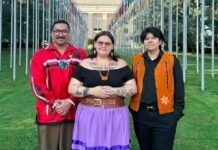
Heritage Akinrinade, Eniola Bamidele and Faith Jadesola Olawuyi. Yena Lee, Roman Sakakeep, Kamryn Woloschuk Regional Multicultural Youth Council, Thunder Bay