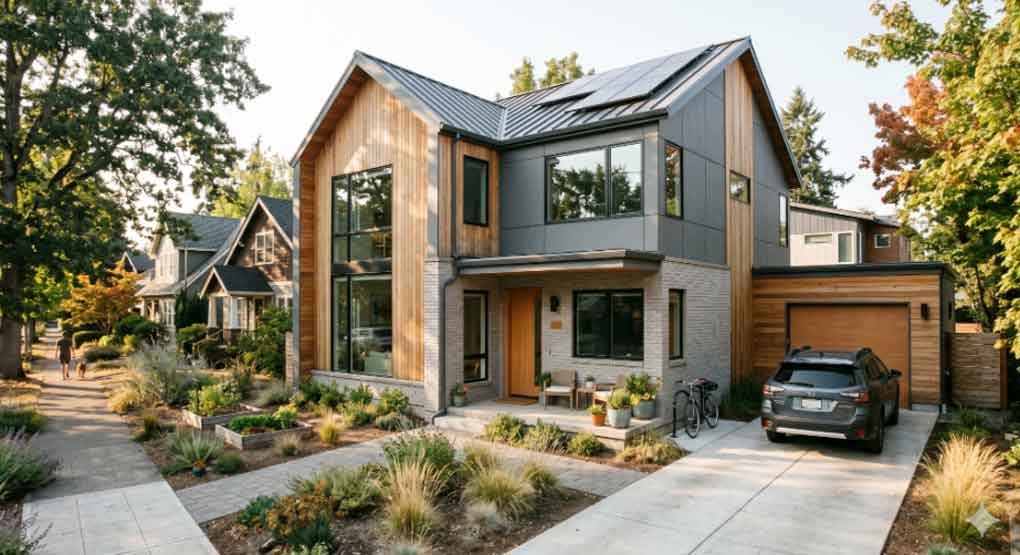
The transition from checking architectural concepts to signing a formal residential construction contract is a major point in any property journey. A building contract is more than just a legal document; it is the structural and financial framework that dictates how your capital, design preferences, and land will interact over many months. When property owners rush through this due diligence phase, they often expose themselves to common industry issues, including sudden cost changes, administrative delays, and compromised structural choices.
To safeguard your investment, you must approach the pre-construction phase with clear, technical questions. Partnering with independent adelaide custom builders changes the process from an transactional agreement into a clear, managed collaboration.
Reviewing these ten critical questions before signing allows you to identify hidden risks, ensure complete cost transparency, and enter the construction phase with full confidence.
1. Are You a True Bespoke Builder or a Volume Builder with a Modification Catalog?
The term “custom” is frequently used across the construction industry, but its operational meaning varies significantly between building models. Volume or production builders often market their services as custom by allowing buyers to choose alternative options from a pre-set catalog or move non-load-bearing internal walls.
However, you remain confined within a standardized template structural layout. If your land features an unusual shape, a narrow frontage, or a steep slope, forcing a catalog plan onto the block can lead to compromised spaces and dark internal rooms.
A true custom design starts with a blank page. The architectural floor plan is drafted from the boundary lines inward, tailored to match your daily habits, family structure, and the unique characteristics of your land.
Confirming your builder’s true capacity for one-off design work ensures you receive a property optimized for your lifestyle rather than a modified copy of a standard catalog home.
2. Is the Foundation and Footing Cost Fully Fixed, or Is It Based on a Soil Class Assumption?
Some of the most significant budget variations in residential construction occur completely below the ground surface. The plains, hills, and surrounding regions feature highly reactive clay soils that expand when wet and contract during dry summer cycles, placing considerable physical stress on concrete foundations.
Mass-market home contracts often base their initial pricing on an assumed flat, Class M (moderately reactive) soil profile. When the subsequent soil test reveals more complex earth conditions, buyers can face expensive post-contract variations for extra concrete, steel reinforcement, or rock excavation.
An experienced builder eliminates this financial risk by conducting comprehensive soil profiling and contour surveys before completing your construction contract. This ensures that the structural footings are engineered precisely for your block’s soil conditions, providing clear site costs within a comprehensive fixed contract.
3. What Is the Exact Ratio of Fixed Prices to Provisional Sums and Prime Cost Allowances?
Achieving true budget control requires complete transparency in how your building agreement is put together. You must ask your builder for a clear breakdown of open-ended allowances, known as Prime Cost (PC) items and Provisional Sums (PS).
- Prime Cost Items: Financial allowances for fixtures or finishes (such as custom joinery, stone surfaces, or premium tapware) that have not been finalized before signing. If your final choice costs more than the contract allowance, you must pay the difference.
- Provisional Sums: Estimated costs for labor and materials for tasks that cannot be fully priced until work begins (such as complex excavation or retaining walls on a sloping site).
If a builder uses low, unrealistic allowances in their initial contract, the client often faces unexpected variation invoices during construction.
A custom design approach focuses on contract certainty by completing detailed engineering checks and selecting specific materials during the pre-construction phase. This allows open-ended allowances to be converted into fixed costs, ensuring you know the final cost of your home before construction starts.
4. How Will the Floor Plan Layout Satisfy the Mandatory 7-Star NatHERS Energy Code Naturally?
Sustainability has transitioned from an optional feature to a core structural requirement. All new residential builds must meet a minimum 7-star energy rating through the Nationwide House Energy Rating Scheme (NatHERS), alongside satisfying a strict “Whole-of-Home” energy budget.
Volume builders often attempt to meet these guidelines by adding expensive upgrades—such as high-spec insulation batts or commercial double glazing—to an existing, poorly oriented layout.
A professional custom builder utilizes solar passive design principles to achieve these standards naturally through the layout of the home. By analyzing your block’s orientation early in the design phase, your builder positions primary living areas along the northern boundary to capture natural winter warmth, helping keep your project on budget and ensuring low ongoing energy costs.
5. How Does the Contract Manage Specific Local Council Overlays and the Planning and Design Code?
Building a modern home requires navigating a complex and detailed planning environment. Every residential plan must satisfy the guidelines of South Australia’s centralized Planning and Design Code via the PlanSA portal. While this centralized system standardizes core assessment pathways, individual local government zones apply strict overlays that directly affect your design boundaries.
If you are executing an urban infill project or building in established suburbs like Unley, Burnside, or Prospect, forcing a standard catalog home onto the block can lead to planning challenges. Standard templates often conflict with strict rules regarding minimum boundary setbacks, maximum site coverage ratios, and upper-level privacy screening rules.
A custom building team handles these regulations by building compliance into the initial design phase. Your builder evaluates setbacks, site coverage, and character guidelines from day one, minimizing the need for costly post-submission revisions and creating a smoother path to development approval.
6. What Key Elements Are Excluded from the Contract as Out-of-Contract Costs?
One of the most important steps in reviewing a construction contract is identifying what is not included. Many promotional house packages exclude essential components required to make a home fully functional, treating them as “out-of-contract” items that you must fund separately.
Always ask for a explicit list of exclusions, paying close attention to:
- Perimeter retaining walls, stormwater connections to the street, and civil crossovers.
- Driveways, perimeter concrete paths, and basic landscaping.
- Internal floor coverings, light fittings, and window treatments.
A reputable custom builder operates on a transparent, turnkey contract model. Including these essential components within a single, unified agreement protects your personal cash reserves and ensures you have adequate funds for a complete handover.
7. How Many Projects Does My Dedicated Site Supervisor Manage Simultaneously?
The ultimate quality of your home depends on the consistency of supervision on site. In the high-volume construction sector, it is common for a single site supervisor to oversee 15 to 20 builds concurrently. This high workload can lead to oversight challenges, communication delays, and inconsistent quality control.
Independent builders know how to build a designer home on a budget and protects construction quality by maintaining low supervisor-to-site ratios, typically capping active projects between 5 and 8 per supervisor. This limited workload ensures that your supervisor can spend adequate time on your site, manage trade coordination effectively, and address technical details before they become problems.
8. What Is the Scheduled Process for On-Site Quality Walkthroughs and Milestone Inspections?
Construction should be a collaborative, transparent process rather than a closed-door operation. A professional contract should explicitly outline when you can access the site and how progress updates will be managed.
The Transparency Standard: A structured building journey should incorporate mandatory walkthrough inspections at key construction milestones, allowing you to review workmanship before work proceeds.
These structural checkpoints allow you to confirm service locations, inspect structural framing quality, and review internal finishes with your supervisor, ensuring your peace of mind throughout the build.
9. What Specific Recourse Options Exist If the Project Exceeds the Fixed Contract Timeline?
Time overruns can introduce unexpected financial costs for families, particularly if you are balancing rent, storage fees, or bridging finance interest while waiting for handover. A transparent contract must include clear provisions regarding the estimated construction duration and your recourse options.
Review the contract’s liquidated damages clause carefully. This section specifies the predetermined weekly amount the builder must pay you if the project runs over contract time without an approved extension.
Ensuring this figure reflects realistic local rental values protects your financial position against unmanaged project delays.
10. What Structural Warranties and Post-Handover Maintenance Programs Are Provided?
Your relationship with your builder should not conclude on handover day. A new structure requires a settling-in period as materials adjust to local seasonal conditions, making a clear aftercare program essential.
Verify the length and scope of the builder’s defect liability period. While standard contracts often specify a basic 90-day maintenance window, premium custom builders often provide extended 12-month post-handover follow-ups to address seasonal timber movement or minor adjustments.
Confirming these details, alongside verifying the builder’s current Home Indemnity Insurance and long-term structural guarantees, ensures your investment remains fully protected for decades to come.
Conclusion: Building with Financial and Relational Confidence
The due diligence phase before signing a contract is your best opportunity to manage risk and secure price certainty. By moving away from rigid catalog options and asking clear, technical questions regarding soil behaviors, council overlays, and contract structures, you can avoid the unexpected variations that cause construction stress.
Investing time in detailed pre-construction planning, upfront geotechnical testing, and comprehensive itemized specifications ensures that your building journey remains transparent, controlled, and well-managed. Partnering with a professional custom builder allows you to focus on the creative process of design, secure in the knowledge that your budget, timeline, and quality of finish are protected by a partner you trust.