Getting Started in Photography: The Key Equipment Every Beginner Needs
You do not need a truckload of gear to take good pictures
THUNDER BAY – LIVING – Starting in photography can feel overwhelming. Walk into a camera store or search online, and suddenly it looks like you need a camera body, five lenses, a tripod, lights, filters, bags, editing software, hard drives, batteries, and a second mortgage.
Here is the truth: you do not need everything on day one.
A beginner photographer needs a solid camera, one or two useful lenses, memory cards, extra power, a safe way to carry the gear, and basic tools to keep everything clean and organized. After that, the best investment is time behind the camera.
Good photography is not about owning the most gear. It is about learning light, timing, composition, and how to tell a story with an image.
Start with the camera body
The camera body is the heart of the kit. It records the image, handles focus, stores the files, and gives the photographer control over settings.
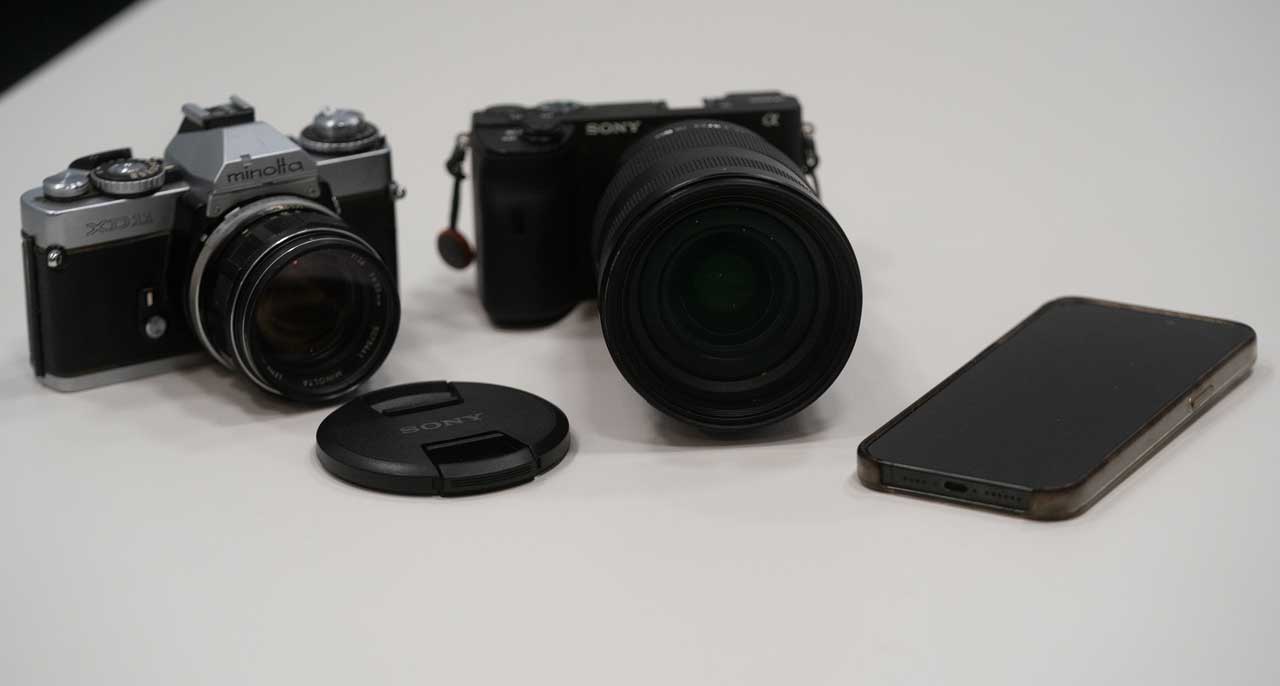
A beginner should look for a camera that is easy to hold, simple enough to learn, and advanced enough to grow with. A modern mirrorless camera is often the best choice for most new photographers. Mirrorless cameras are lighter than many older DSLR models, have strong autofocus, and usually offer better video features.
That said, a used DSLR can still be a good buy for someone on a tight budget. Many older DSLR cameras still take excellent photographs. They are especially useful for learning the basics of exposure, shutter speed, aperture, ISO, and lens choice.
The key is not to overspend on the body. Camera bodies change quickly. Lenses and skills last longer.
A good beginner camera should have manual controls, the ability to shoot RAW files, a comfortable grip, a decent autofocus system, and a lens system that gives room to grow.
The first lens: a basic zoom
Most beginner cameras come with a kit lens. This is usually a small zoom lens, such as an 18-55mm or similar range.
Do not look down on the kit lens. It is useful, light, and affordable. It can handle family photos, landscapes, travel, street scenes, community events, and everyday practice.
The kit lens teaches a beginner how focal length works. At the wide end, it captures more of the scene. At the longer end, it brings subjects closer and can work for simple portraits.
Its weakness is low light. Most kit lenses do not let in as much light as more expensive lenses. Indoors, at night, or inside an arena, they can struggle. Still, every beginner should use the kit lens before rushing to replace it.
The second lens: a fast prime
After the kit lens, the next smart purchase is usually a fast prime lens.
A prime lens does not zoom. That may sound like a disadvantage, but it is one of the best learning tools in photography. It forces the photographer to move, think, and compose the image with care.
For many beginners, a 50mm f/1.8 lens is a classic choice. On some crop-sensor cameras, a 35mm or 30mm prime may be more useful for everyday shooting.
The big advantage is the wide aperture. A lens with an f/1.8 aperture lets in more light and can create a soft, blurred background. This is great for portraits, indoor photos, food shots, detail work, and creative images.
This is often the lens that shows a beginner what a real camera can do that a phone cannot.
The third lens: a telephoto zoom
A telephoto zoom is useful when the subject is farther away.
This lens matters for sports, wildlife, birds, parades, concerts, school events, and community coverage. A beginner shooting baseball at Port Arthur Stadium, birds along Lake Superior, or a powwow grand entry will quickly see the value of a longer lens.
Common starter ranges include 55-200mm, 55-210mm, 55-250mm, or 70-300mm, depending on the camera system.
Budget telephoto lenses are usually best outdoors in good light. They may struggle indoors or in dark arenas. For a beginner, that is acceptable. Learn first. Upgrade later.
Memory cards: buy reliable, not just cheap
Memory cards are easy to overlook until one fails.
A beginner should buy two or three good memory cards instead of one giant card. This lowers the risk of losing everything if a card is damaged or misplaced.
For still photography, a quality SD card from a trusted brand is usually enough. For video, sports bursts, or high-resolution cameras, faster cards may be required.
Do not buy mystery-brand cards from questionable online sellers. Counterfeit memory cards are a real problem, and a failed card can cost more than money. It can cost the images from a once-in-a-lifetime moment.
Extra batteries are not optional
One battery is not enough.
Mirrorless cameras can drain batteries quickly because they use electronic screens and viewfinders. Cold weather also reduces battery life. In Northwestern Ontario, that matters.
A beginner should have at least one spare battery. Two is better for long days, road trips, sports tournaments, weddings, community events, or winter shooting.
Keep batteries charged before heading out. In cold weather, carry a spare battery in an inside pocket where body heat can help keep it warm.
A camera bag that protects the gear
A good camera bag does not have to be expensive, but it should protect the equipment.
The bag should hold the camera, one or two lenses, extra batteries, memory cards, a cleaning cloth, and a few small accessories. It should also be comfortable enough to carry.
For city walks and travel, a small shoulder bag or sling bag may be enough. For hiking, wildlife, or carrying more equipment, a backpack may be better.
The goal is simple: protect the camera and make it easy to bring along. If the bag is too big, too heavy, or too awkward, it will stay at home. So will the camera.
A comfortable strap
Most cameras come with a basic neck strap. It works, but it is not always comfortable.
A better strap can make a big difference. A shoulder strap, wrist strap, or cross-body strap helps keep the camera safe and ready.
For street photography, events, or travel, a comfortable strap means the camera is in hand instead of buried in a bag. That matters because many good photos happen quickly.
The best camera is the one ready when the moment happens.
A tripod for sharp images and low light
A tripod is not needed for every kind of photography, but it is very useful.
It helps with landscapes, night photography, northern lights, waterfalls, group photos, self-portraits, product photos, and video. It also helps slow the photographer down and improve composition.
A cheap, flimsy tripod is often a waste of money. It may shake in the wind, slip, or fail to hold the camera steady. A beginner does not need a professional carbon-fibre tripod, but they should buy one that is stable enough to trust.
For travel, choose something light. For landscapes and night photography, choose stability over size.
Cleaning tools: simple but important
Cameras and lenses get dirty. Dust, fingerprints, rain, snow, and grit are part of real-world photography.
A basic cleaning kit should include a microfiber cloth, a lens blower, and a soft lens brush. Lens cleaning fluid can help, but it should be used carefully.
Do not use a shirt sleeve, paper towel, or tissue on a lens. That can scratch the glass or damage coatings.
A blower is especially useful because it removes dust without rubbing. Always blow away dust before wiping a lens.
A hard drive or cloud backup
Taking photos is only half the job. Keeping them safe is the other half.
Beginners should build a backup habit from the start. Store images on a computer, but also keep a second copy somewhere else. That can be an external hard drive, cloud storage, or both.
A simple rule is to have at least two copies of important photos. For paid work or major family events, three copies is better.
Memory cards are not a storage system. They are temporary. Copy the files, back them up, and then format the card in the camera before using it again.
Editing software
Editing is part of modern photography. It does not mean faking the picture. It means finishing the picture.
Basic editing can fix exposure, crop the image, adjust colour, improve contrast, reduce noise, and prepare the file for web or print.
Beginners can start with free or low-cost editing tools before moving to professional software. Many cameras also come with basic editing software from the manufacturer.
The important thing is to learn restraint. Heavy editing can ruin a photo. A strong image should still look believable.
Flash and lighting can wait, but not forever
Many beginners avoid flash because it looks harsh when used badly. That is fair. Built-in pop-up flash can create flat, unflattering light.
Still, learning light is one of the biggest steps in becoming a better photographer.
An external flash can help with portraits, indoor events, family gatherings, product photos, and news-style coverage. Add a simple diffuser or learn how to bounce flash off a ceiling or wall, and the results improve quickly.
Beginners do not need flash on day one. But once they understand the camera and lenses, lighting should be the next area to study.
Filters: useful, but not urgent
Filters can be helpful, but many beginners buy them too early.
A circular polarizing filter is useful for cutting reflections, darkening skies, and improving colour in outdoor scenes. This can help with water, fall colours, cars, windows, and landscapes.
Neutral density filters are useful for long exposures and video work. They allow slower shutter speeds in bright light.
A cheap UV filter is often sold as protection for the lens. Some photographers use them. Others prefer a lens hood. What matters most is quality. A poor filter can reduce image quality.
Beginners should not buy a big filter kit right away. Start with a good polarizer if landscape or outdoor photography is important.
Lens hood: small item, big value
A lens hood helps block stray light from hitting the front of the lens. This can reduce glare and improve contrast.
It also gives the front of the lens some physical protection. A lens hood can take a bump that might otherwise hit the glass.
Many lenses include a hood. Some do not. If one is available for your lens, it is usually worth having.
What not to buy first
This is where beginners can save money.
Do not rush to buy five lenses. Learn one or two first.
Do not buy a huge lighting kit before understanding natural light.
Do not buy the cheapest tripod if it cannot hold the camera steady.
Do not buy a drone before learning basic composition and local rules.
Do not buy expensive filters for lenses you may not keep.
Do not buy gear just because a YouTuber says it is “essential.”
Photography rewards practice more than shopping.
A smart beginner kit
A good starter kit could look like this:
Camera body
Kit zoom lens
Fast prime lens
One spare battery
Two memory cards
Comfortable camera bag
Microfiber cloth and blower
Basic tripod
External hard drive or cloud backup
Simple editing software
That is enough to learn, improve, and cover a wide range of photography.
For sports or wildlife, add a telephoto zoom. For landscapes and video, add a wide-angle lens later. For portraits and events, learn flash once the basics are solid.
Final frame
Getting started in photography does not have to be complicated.
Buy the basics. Learn the camera. Carry it often. Shoot in different light. Make mistakes. Study the results. Try again.
The beginner who takes 5,000 photos with a simple kit will improve faster than the beginner who spends thousands of dollars and leaves the camera in the bag.
The gear matters. But the eye behind the camera matters more.