Out of an estimated 1.3 million plus cars that enter the country each year, there are 15,000 to 20,000 vehicles imported by individual buyers every single calendar year in Canada. Crossing borders and long-haul distances turn a straightforward purchase into an expensive puzzle.
Buyers north of Sudbury or near Thunder Bay face extra miles, winter road conditions, and strict customs steps before keys ever turn in a local driveway. Mapping out admissibility, total freight, taxes, inspections, and northern delivery upfront keeps surprises off the ledger.
Checking Federal Admissibility, Recalls, and Clean Title
Every car entering Canada must clear federal safety and admissibility rules before a buyer wires a deposit. Vehicles under 15 years old generally need to meet Canadian safety standards or qualify for federal compliance programs. Older models face different rules.
VIN and Title
Running the VIN through recall databases early prevents buying a car stuck with open safety campaigns or unapproved alterations.
Title paperwork matters just as much as mechanical condition. If it’s a used vehicle, you want to avoid costly mistakes like missing lien releases, mismatched ownership names, or a late title filing, or they’ll stall clearance at the border.
Under CBSA rules requiring title submission through Document Image Functionality, missing title records can lead to refusal of entry at the port. Checking lien status and ownership history before paying the seller protects both cash and timeline.
Pricing Overseas and Inland Vehicle Transport
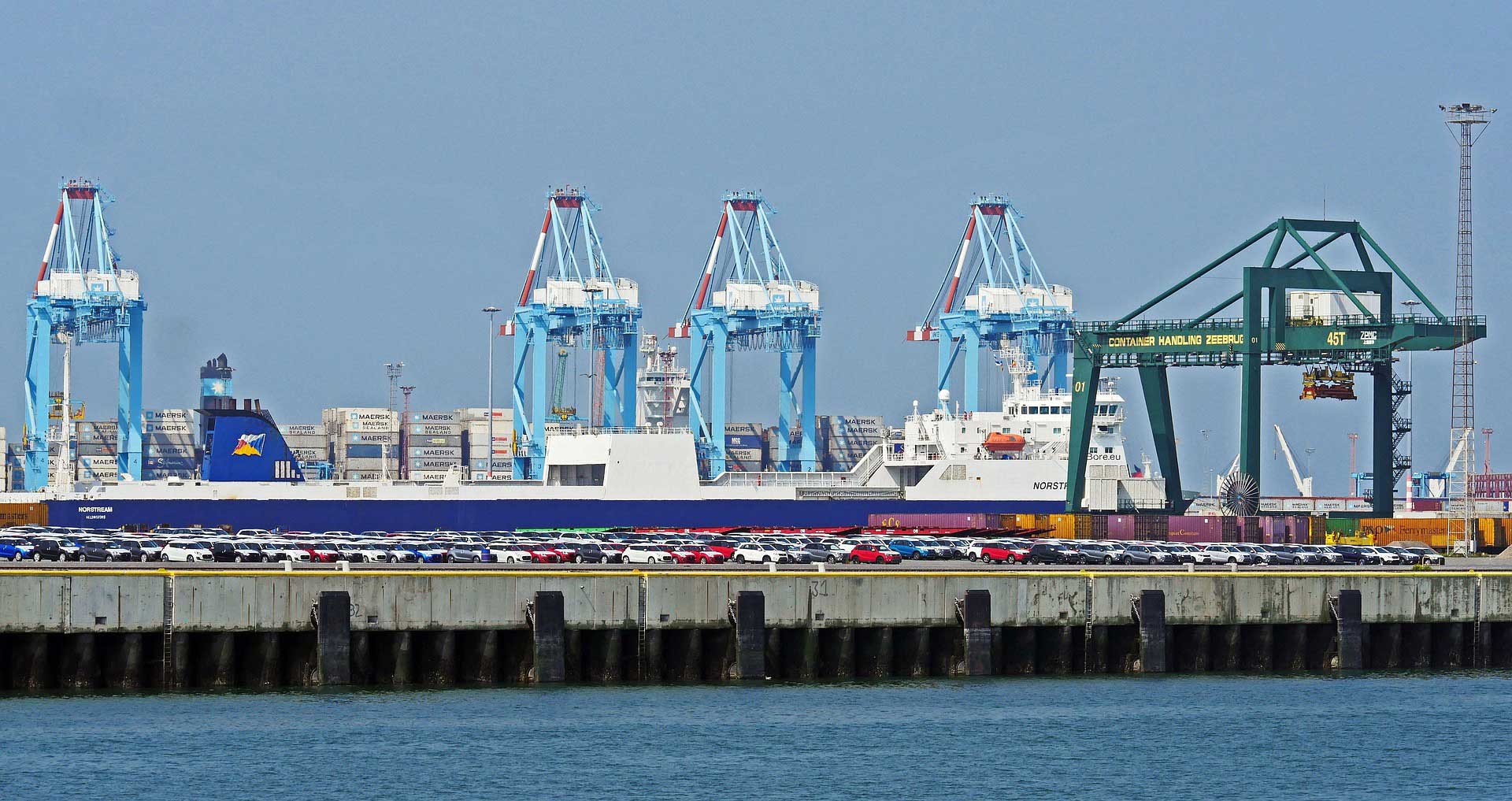
Ocean vessels, port drayage, and long overland hauls into Northern Ontario rarely follow a flat rate chart. Container space, roll-on/roll-off sailings, and distances from coastal or border gateways to smaller northern towns all shift the quote.
Include international vehicle freight in the landed-cost estimate alongside duties, taxes, and any compliance work, since the origin and final Northern Ontario destination affect the transport budget.
Estimating Duties, Tariffs, and Provincial Taxes
The landed cost depends heavily on where the car was built, where it was bought, and what trade rules apply when it crosses the border. Buyers should treat old tariff assumptions with caution because trade disputes and cross-border auto tariffs can shift charges quickly.
- Checking current border guidance before signing a bill of sale keeps budget numbers realistic
- Provincial taxes also hit once the vehicle enters Ontario and gets registered
Depending on how and where the car was purchased, buyers can face federal goods and services charges as well as Ontario’s provincial tax portion. Confirming tax obligations early stops cash shortfalls right at licensing.
Budgeting for Compliance Work and Safety Inspections
A car that looks road-ready abroad may still need hardware or paperwork changes before it is legal on Ontario roads. Daytime running lights, instrument cluster markings, safety compliance labels, or recall repairs can add real money after arrival.
Safety inspections add another layer before plating. Buyers in Northern Ontario should factor in both compliance verification and provincial safety standards testing, more so if a vehicle needs shop time outside the immediate town.
Accounting for Transit Insurance and Port or Border Fees
Marine and inland transit coverage rarely matches a standard personal auto policy while a car is moving across borders or sitting at a terminal. To keep your budget clear, account for these specific charges and coverage steps before the vehicle moves:
- Marine and inland cargo insurance – requires a dedicated single-transit policy covering the vehicle’s full value across ocean, port, and overland legs rather than limited carrier liability
- Customs brokerage and disbursement fees – get a written entry quote upfront with clear terms on filing charges and any government payment advances
- Terminal handling and port or border storage fees – check free-time limits ahead of arrival and submit import paperwork early to avoid daily yard charges
Verifying Delivery Access, Timing, and Northern Handover
Long winter highways and seasonal weather across Northern Ontario affect carrier schedules and route planning. Big linehaul car carriers sometimes cannot reach narrow residential streets, gravel roads, or remote northern addresses directly.
To make registration much smoother, consider arranging a clear handover spot. Inspect the vehicle thoroughly upon arrival and keep customs forms organized. Bringing the customs-clearance Form 1 and supporting records to ServiceOntario helps complete Ontario out-of-province vehicle registration without extra trips.
Checking Carrier Access and Route Conditions
Large transport trucks need a wide turning radius and firm surfaces to load and unload safely. Buyers in smaller northern communities often coordinate a nearby commercial lot or main corridor meeting point instead of curb delivery.
Planning Around Seasonal Weather and Delays
Snow, ice, and northern highway closures can slow inland freight between southern hubs or border crossings and northern towns. Building buffer time into travel and registration plans keeps winter weather from derailing schedules.
Completing Handover and Local Paperwork
Inspecting body panels, glass, tires, and underbody condition at handover protects you as the buyer before signing delivery receipts. Keep bills of sale, title records, and customs forms together so local licensing is less stressful.
Practical Next Steps for Northern Ontario Buyers
Smart vehicle importing comes down to verifying admissibility, tallying real freight and tax numbers, and planning the final stretch north before money changes hands. Taking time on title and compliance checks saves far more money later than rushing a cross-border deal. A little upfront homework turns a complex import into a car ready for Northern Ontario roads.
If you loved this piece, check out related articles below or browse the site for more guides and news in Northern Ontario’s Auto world.