Thunder Bay Police Service is part of a provincewide program to protect children online. However, no arrests in Thunder Bay or Northern Ontario were listed in this investigation
ORILLIA — National News – Ontario Provincial Police (OPP) say 17 people have been arrested during a major investigation into the online sexual abuse and exploitation of children.
The investigation, called Project Brace, involved 15 police services working with the OPP Child Sexual Exploitation Unit.
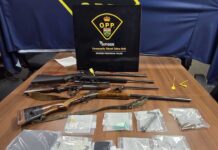
Police report that 55 criminal charges were laid and 424 electronic devices were seized.
Officers also opened 23 new investigations that are still underway.
What Did Police Find During Project Brace?
Police were looking for people suspected of viewing, keeping or sharing child sexual abuse material online.
This material can include photos and videos showing the sexual abuse of children.
The OPP reported these results:
- 17 people arrested
- 55 criminal charges reported
- 424 electronic devices seized
- 23 investigations still active
Police say they did not directly identify any victims during the operation.
However, that does not mean children were not harmed. The material being investigated involves the abuse and exploitation of children.
Were There Any Arrests in Thunder Bay or Northern Ontario?
Thunder Bay Police Service is one of 25 municipal police services that belong to Ontario’s program to fight online child exploitation.
Other Northern Ontario members include police services in Greater Sudbury, North Bay, Sault Ste. Marie and Timmins.
However, the OPP has not confirmed that these Northern Ontario police services took part in Project Brace.
The list of accused people released by police does not include anyone from Thunder Bay or Northern Ontario.
People named or listed in the investigation live in communities such as Toronto, Barrie, Kingston, Brockville, Brighton, Smiths Falls, Orillia and the Niagara region.
This does not mean online child exploitation is not happening in Northwestern Ontario.
People who commit these crimes can use the internet to reach children anywhere, including small and remote communities.
What Criminal Charges Are the Accused Facing?
Most of the charges fall under section 163.1 of the Criminal Code of Canada.
This section deals with child sexual abuse and exploitation material.
There are different charges depending on what a person is accused of doing.
1. Possession of child sexual abuse material
Section 163.1(4) makes it a crime to knowingly possess this material.
Possession can include keeping illegal images or videos on a computer, phone or other device.
A person convicted of this offence can face:
- Up to 10 years in prison if prosecuted by indictment.
- Up to two years less a day in jail if prosecuted by summary conviction.
2. Accessing child sexual abuse material
Section 163.1(4.1) deals with knowingly accessing illegal material.
A person does not always have to download or save an image to face this charge.
A conviction can result in:
- Up to 10 years in prison if prosecuted by indictment.
- Up to two years less a day in jail if prosecuted by summary conviction.
3. Making available or distributing child sexual abuse material
Section 163.1(3) deals with sharing or making illegal material available to other people.
This can include sending files or allowing others to access them online.
The maximum penalty is 14 years in prison.
The Criminal Code also contains mandatory minimum sentencing provisions for these offences. Their application depends on current law, including court rulings and constitutional protections.
The maximum penalties are not automatic. Judges must consider the facts of each case before deciding on a sentence.
Other Criminal Charges
One person from Brighton also faces charges of assaulting a peace officer and possessing a weapon for a dangerous purpose.
Under section 270(1) of the Criminal Code, assaulting a peace officer can carry a maximum sentence of five years in prison when prosecuted by indictment.
Under section 88(1), possessing a weapon for a dangerous purpose can carry a maximum sentence of 10 years in prison when prosecuted by indictment.
Both offences can also be prosecuted as less serious summary offences.
What Happens After Someone Is Charged?
Being arrested does not mean a person has been found guilty.
Police must gather evidence, and the Crown must prove the charges in court.
Some of the accused in Project Brace have been released from custody. Others were being held while waiting for further court proceedings.
The OPP says some names cannot be released because of court orders known as publication bans.
These orders protect certain information from being made public.
Every person charged with a crime is presumed innocent unless and until proven guilty in a court of law.
How Do Offenders Reach Children Online?
Police say people who exploit children are using more online services to find victims.
These include social media, online games, messaging apps and file-sharing networks.
Some offenders pretend to be someone they are not. Others try to gain a child’s trust before asking for private pictures or personal information.
OPP Detective Staff Sgt. Tara Clark, who helps lead the provincial program, says protecting children requires help from families, schools, police and technology companies.
“Online offenders are increasingly leveraging digital technologies to access and exploit children and youth,” Clark said.
Police say adults should understand the online services children use and talk openly with them about internet safety.
Why This Matters in Northwestern Ontario
Children in Thunder Bay and across Northwestern Ontario use the same online games, apps and social media platforms as children in larger cities.
A child living in a remote First Nation can face online risks just as easily as someone living in Toronto.
That makes police teamwork important.
Ontario’s provincial strategy allows police services to share information and work together on cases that cross community and provincial borders.
The program includes the OPP, 25 municipal police services and two Ontario government ministries.
The goal is to find people who exploit children and help keep young people safe.
How Parents Can Help Keep Children Safe
Parents and caregivers can take simple steps to protect children online.
- Talk regularly with children about the websites, games and apps they use.
- Remind them not to share private pictures or personal information with strangers.
- Encourage children to tell a trusted adult if someone online makes them uncomfortable.
- Review privacy settings on phones, tablets and computers.
- Explain that threats, pressure or requests to keep online conversations secret can be warning signs.
- Reassure children that they can ask for help without being blamed.
Police also warn that offenders may threaten children who have already shared private images.
Children should know they can always ask for help, even if they are afraid or embarrassed.
How to Report Online Child Exploitation
Anyone who suspects a child is being exploited online should contact police.
Reports can also be made through Cybertip.ca, Canada’s national tipline for online child sexual exploitation.
Parents and educators can find safety information through the Canadian Centre for Child Protection.
If a child is in immediate danger, call 911.
Police Investigations Continue
The OPP says Project Brace is part of a larger effort to stop online child sexual exploitation across Ontario.
Police have reported a rise in online child exploitation complaints in recent years.
The 23 active investigations connected to Project Brace mean officers are still examining possible offences.
More information may be released as those investigations continue.
For Thunder Bay and Northwestern Ontario, the message is clear: online child safety is an issue for every community, regardless of its size or location.