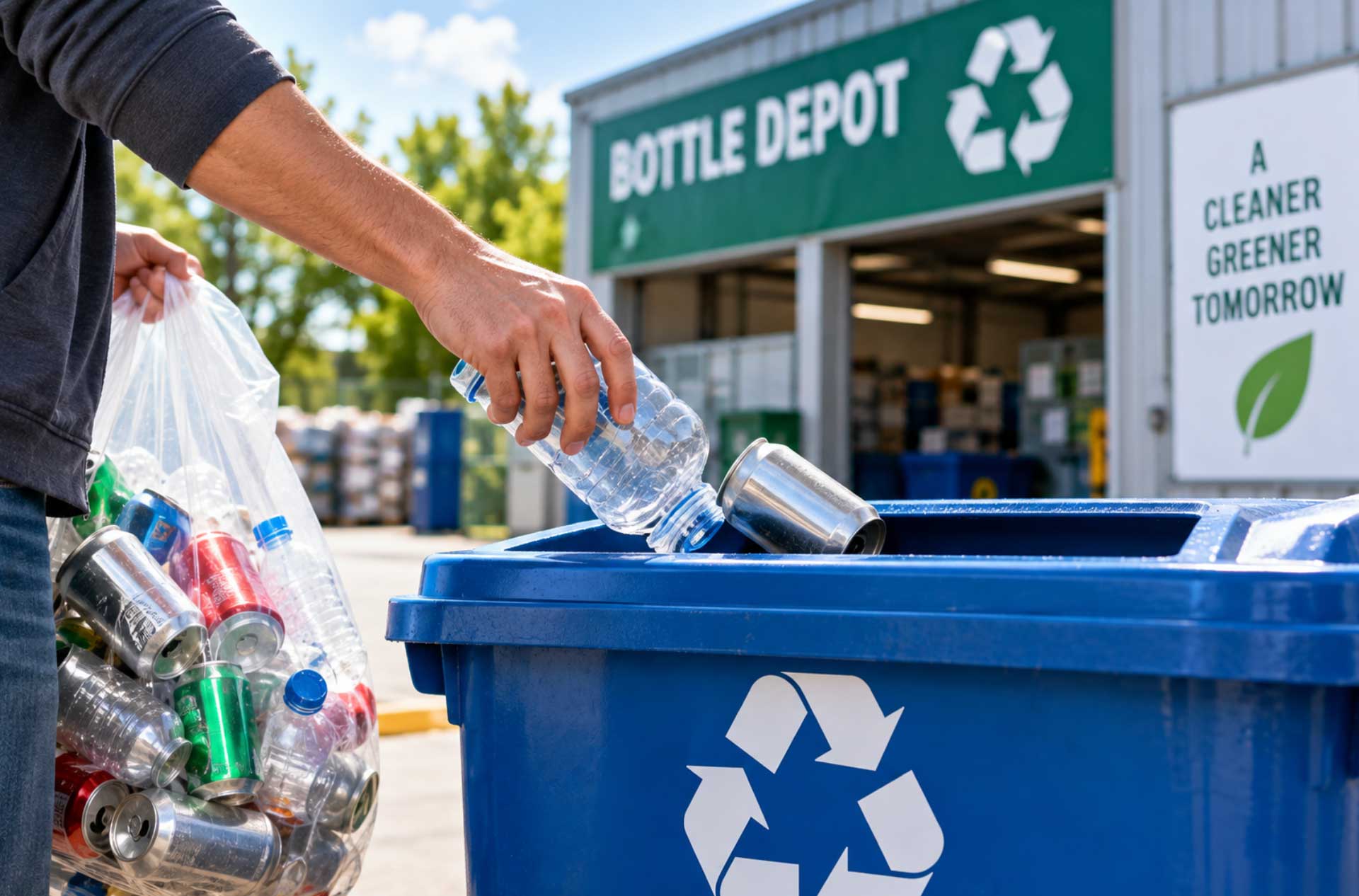
Environmental sustainability depends on the everyday actions of individuals, households, and businesses. One important way communities can reduce waste is by ensuring that used beverage containers are collected and recycled instead of being discarded with general rubbish.
Plastic bottles, aluminum cans, and glass containers are commonly used in everyday life. When these materials are returned through appropriate collection systems, they can enter recycling processes that help conserve resources and reduce environmental pollution.
Why Beverage Container Recycling Matters
Beverage packaging makes up a significant share of everyday consumer waste. Without proper collection, empty containers can accumulate in landfills, streets, parks, and other public spaces.
People searching online for “bottle depot Calgary” can explore convenient collection options for returning eligible beverage containers.
Collection facilities play an important role by providing designated locations where used packaging can be received, sorted, and prepared for further recycling.
Environmental Problems Caused by Improper Disposal
Discarded beverage containers can create several environmental challenges.
Increased Landfill Waste
Plastic and glass packaging can remain in the environment for extended periods. When recyclable containers are placed in general rubbish, valuable materials are lost, and landfill sites receive additional waste.
Pollution in Natural Areas
Containers left in parks, roadside areas, and waterways can negatively affect natural surroundings. Plastic materials may gradually break into smaller particles, while discarded packaging can create hazards for wildlife.
Loss of Valuable Resources
Producing new packaging requires raw materials and energy. When used containers are not recovered, manufacturers may need additional resources to produce replacement materials.
How Recycling Helps Protect Natural Resources
Recycling allows certain materials to be recovered and used again in manufacturing.
Aluminum recovery: Aluminum cans can be recycled into new aluminum products, reducing the need to extract additional raw materials.
Plastic recovery: Suitable plastic containers can be processed into materials used in various manufacturing applications.
Glass recycling: Collected glass can be processed to produce new glass products.
Recovering these materials helps reduce waste and supports more efficient resource management.
Understanding the Beverage Container Return Process
Alberta’s deposit-return system encourages consumers to return eligible beverage containers by offering refundable deposits.
When purchasing eligible beverages, consumers pay a deposit they can recover by returning the empty container to an authorized collection facility.
When comparing results for “bottle recycling near me”, people can consider factors such as accessibility, accepted materials, operating hours, and collection arrangements before selecting a suitable facility.
Once returned, containers are organized by material type and sent to the appropriate recycling processes.
This system makes it easier for consumers to participate in resource recovery while receiving their applicable deposit refunds.
Simple Ways to Improve Household Recycling
Households can make a meaningful contribution by developing consistent recycling habits.
Some practical steps include:
- Keep a separate collection bin for eligible beverage containers.
- Empty bottles and cans before storing them.
- Separate different materials according to collection guidelines.
- Avoid mixing beverage packaging with household food waste.
- Arrange regular visits to collection facilities.
- Encourage family members to participate in recycling activities.
These practices help keep recyclable materials organized and make the return process more convenient.
The Role of Businesses and Community Organizations
Businesses and community organizations can also encourage responsible recycling.
Offices, restaurants, schools, and community centres can introduce designated collection areas for eligible beverage containers. Clear instructions can help employees, customers, and visitors understand which materials to separate.
Schools can organize educational activities to teach students about waste reduction and resource conservation. Community groups can also arrange container collection initiatives to support local fundraising projects.
When different parts of a community participate, recycling becomes a shared responsibility.
Building Long-Term Sustainable Habits
Environmental improvements require consistent participation, not occasional efforts. Returning empty containers, reducing unnecessary packaging, and separating recyclable materials can gradually become part of everyday routines.
Families can set up weekly collection schedules, while businesses can regularly review their waste management practices.
These small actions build awareness of responsible consumption and show how individual behaviour contributes to broader environmental goals.
Final Thoughts
Beverage container recycling is a practical way to reduce waste, recover valuable materials, and support environmental sustainability. Through Alberta’s deposit-return system, consumers have an accessible opportunity to return eligible packaging rather than disposing of it with general rubbish.
By developing responsible household habits and encouraging community participation, Calgary residents can help keep public spaces cleaner, conserve resources, and support more sustainable waste management practices.