The mining industry is at the forefront of adapting and evolving to meet the ever-growing demands for resources worldwide. With technological advancements pushing the boundaries of what is possible, mining activities are seeing shifts in production capabilities, transportation methods, and resource recycling. In this article, we delve into the transformative trends shaping the future of mining with a focus on production, transport, and recycling.
Increased Production in Mining: A Technological Revolution
Technological innovations are greatly enhancing production efficiency in the mining industry. According to Farmonaut, the global output for granite, marble, and quartz is anticipated to soar to 950 million tons by 2026, signaling a substantial increase driven by technological advancements. These increased production levels are essential for meeting the rising global demand for building materials.
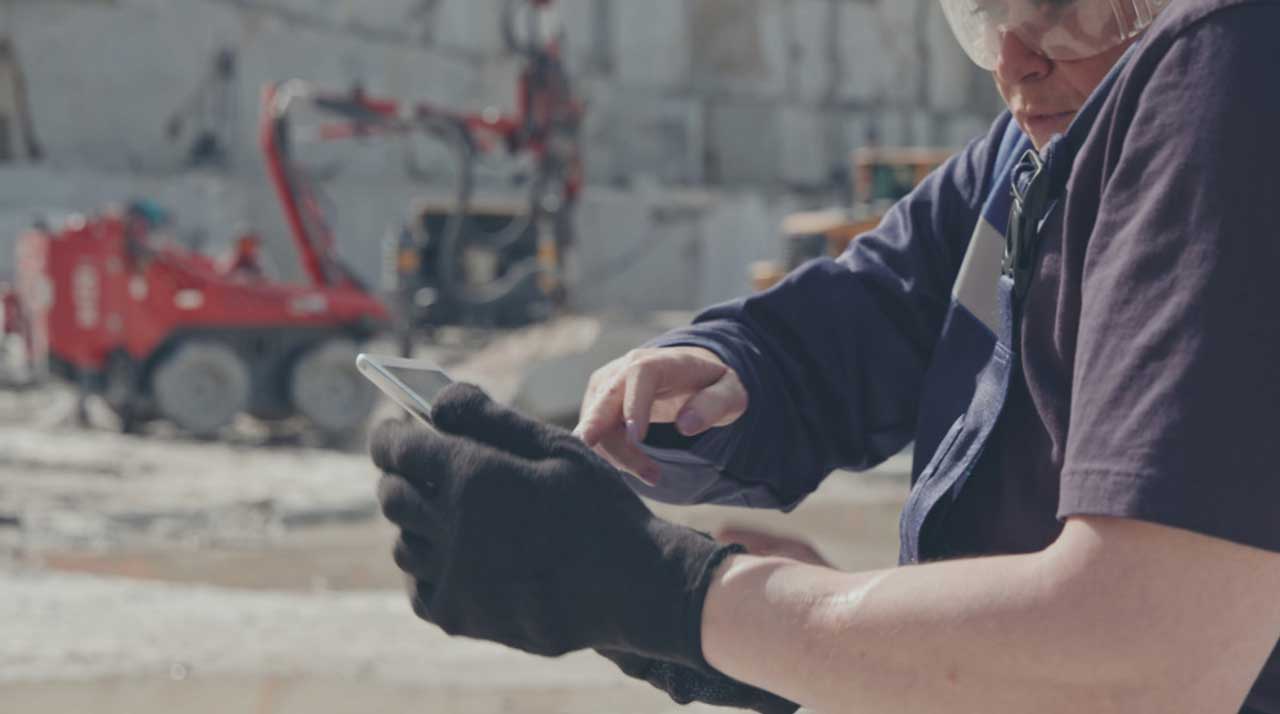
Mining companies are investing heavily in automation and digital technology to boost productivity. Automation allows for more efficient extraction techniques and minimizes downtime, leading to an overall increase in operational efficiency. The integration of technologies like AI and machine learning also ensures predictive maintenance, reducing equipment failure rates and enhancing production schedules.
This surge in production necessitates a careful balance between meeting demand and ensuring sustainable practices. Efficient technology-driven mining operations can potentially reduce environmental impacts while maintaining high output levels. The challenge lies in finding eco-friendly methodologies that complement the industry’s expansion, enabling sustainable growth.
Heavy-Duty Transport: Meeting Demands Efficiently
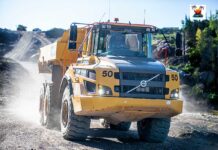
The transportation of mined materials requires robust and reliable systems to handle heavy loads. According to Market Research Future, the segment of heavy haul trucks with a load capacity above 50 tons is seeing significant demand, fueled by the needs of the construction, mining, and logistics sectors. Technological advancements in heavy machinery are crucial to optimizing the transport process, ensuring efficient delivery and cost-effectiveness.
Modern heavy-duty transport systems are integrating technologies such as GPS and real-time monitoring for better route planning and load management. This integration is crucial in ensuring timely delivery and minimizing fuel consumption, which directly impacts operational costs and carbon footprints. Innovative designs in vehicle engineering are also making heavy haulers more energy-efficient and environmentally friendly.
As the mining industry continues to grow, the role of transport systems only becomes more vital. The development of more sustainable and technologically advanced transport solutions will play a pivotal role in shaping the future of mining logistics. It’s a symbiotic relationship between technology and logistics that will ensure both market demand and environmental stewardship are adequately addressed.
Sustainable Recycling: The New Norm in Mining
With sustainability taking center stage in modern industrial practices, the mining industry is no exception. As reported by WifiTalents, the energy consumption for producing recycled copper is a remarkable 85% less compared to primary mining, highlighting the environmental benefits of recycling. This substantial energy saving positions recycling as a cornerstone of sustainable mining practices.
The push towards recycling is driven by both regulatory pressures and the intrinsic benefits of resource efficiency. Implementing recycling technologies can significantly lessen the environmental impact of mining operations, reducing the demand for virgin resources and lowering greenhouse gas emissions. The adoption of circular economy principles within the industry marks a progressive shift towards regenerative practices.
Encouraging the use of recycled materials within manufacturing extends the life cycle of raw materials and reduces waste. The future of mining is rooted in this sustainable paradigm, where minimizing resource extraction complements an increased reliance on recycling. This approach not only aligns with global sustainability goals but also fosters innovation within the industry.
The mining sector is rapidly evolving, with advances in technology playing a crucial role in shaping its future. From improved production capacities and robust transportation systems to sustainable recycling practices, technology is at the heart of these transformations. As the industry aligns itself with global sustainability standards, the coming years will witness significant strides towards more efficient and environmentally responsible mining practices.