Alberta Bans Solar Panels From Landfills and Launches Recycling Program
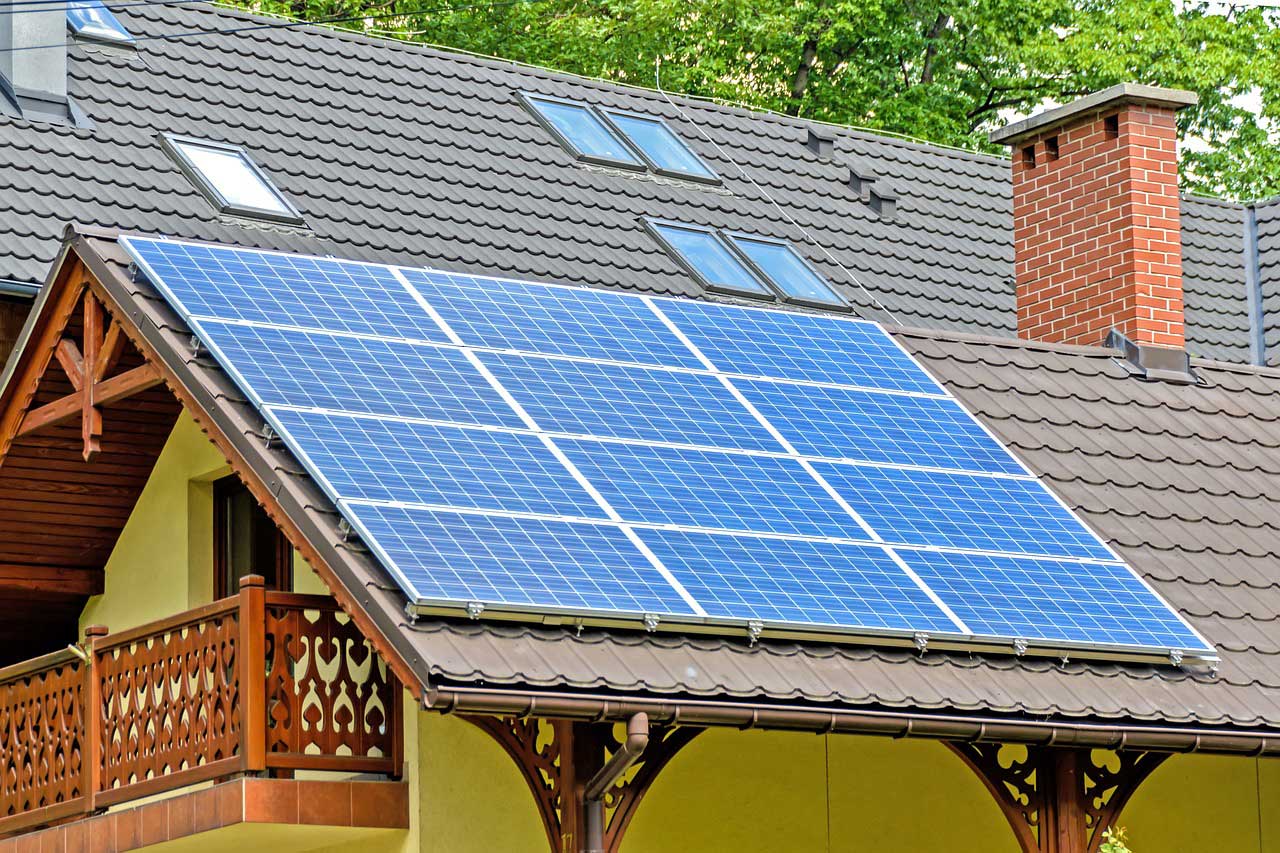
EDMONTON — ENVIRONMENTAL NEWS — Alberta will ban solar panels from landfill disposal beginning Oct. 1 and launch a province-wide recycling program designed to recover glass, aluminum, silicon, silver, copper and other materials from end-of-life panels.
The province says it will be the first jurisdiction in Canada to operate a dedicated solar-panel recycling program backed by a landfill ban.
The initiative comes as solar installations continue to expand across Canada, raising a longer-term environmental question: what happens to panels when they reach the end of their useful life?
New $14 Fee Will Fund Collection and Recycling
Beginning Oct. 1, an environmental fee of $14 per new solar panel supplied in Alberta will help fund collection, transportation and recycling.
The fee will apply only to new panels entering the market after the program begins.
There will be no retroactive fee on panels already installed.
For a typical residential system using about 20 panels, Alberta says the fee would add roughly $240 to the installation cost.
The province says the fee is intended to prevent future recycling costs from falling on municipalities and taxpayers decades from now.
Alberta Preparing for Large Volume of Retired Panels
Alberta currently has the second-largest installed solar capacity in Canada.
The province estimates that by 2045, more than 95 per cent of the solar panels now operating in Alberta will have reached the end of their expected service lives.
That could produce as much as 72,700 tonnes of material requiring reuse, recycling or disposal.
Most solar panels have an expected life of about 25 years.
The challenge is similar to one governments already face with electronics, batteries and other technologies that can remain in service for years before suddenly creating large waste streams.
Alberta expanded its electronics recycling regulation in 2024 to include solar panels, wind-turbine components and electric-vehicle batteries.
Solar Panels Contain Recoverable Materials
Solar panels contain substantial quantities of glass and aluminum, along with smaller amounts of silicon, copper, silver and other metals.
Alberta’s policy is based on recovering those materials rather than burying them.
That has both environmental and economic implications.
Recycling can reduce landfill demand while creating secondary sources of raw materials that can be used in manufacturing.
The Alberta Recycling Management Authority will work with industry to build collection and processing capacity as larger numbers of panels reach retirement.
The province says the goal is to develop a domestic recycling industry rather than simply establish a disposal system.
Why Solar Waste Is Becoming a Bigger Environmental Issue
Solar power is generally associated with lower-emission electricity generation, but renewable-energy infrastructure still has a physical life cycle.
Panels have to be manufactured.
They use mined and processed materials.
They eventually need to be replaced.
Without end-of-life planning, rapidly expanding solar deployment can create a future waste-management problem.
That does not erase the environmental benefits associated with renewable electricity, but it does reinforce the importance of considering the entire life cycle of energy technologies.
A credible clean-energy system has to address both how equipment is produced and what happens when it is no longer usable.
Circular Economy Could Keep More Materials in Canada
Alberta’s approach also reflects the growing focus on the circular economy — recovering materials from old products and returning them to industrial supply chains.
That idea has become particularly important as governments place greater emphasis on critical minerals and domestic supply security.
Materials such as copper and silver have value well beyond the solar industry.
Recovering them from retired equipment can reduce waste and, over time, supplement newly mined material.
The scale remains modest compared with primary mining, but recycling can still become an important part of a broader materials strategy.
What This Could Mean for Ontario and Northwestern Ontario
Alberta’s program could become a policy test for other provinces, including Ontario.
Northwestern Ontario is increasingly seeing solar installations used in homes, businesses, municipal facilities and remote or off-grid energy systems.
For northern and remote communities, end-of-life management can be more complicated because transportation costs are higher and recycling facilities may be hundreds or thousands of kilometres away.
That raises several questions Ontario may eventually have to address:
Who pays to collect retired panels?
Where are they processed?
How are panels transported safely from remote communities?
Can regional recycling or material-recovery facilities be developed closer to Northern Ontario?
And should the cost of eventual recycling be built into the purchase price, as Alberta is now doing?
These questions become more important as renewable-energy installations expand.
Potential Opportunity for Northern Recycling and Resource Industries
There is also a possible economic opportunity.
Thunder Bay and Northwestern Ontario already have experience in transportation, materials handling, mining and industrial services.
If Canada develops larger recycling systems for solar panels, wind-turbine components and electric-vehicle batteries, northern communities could potentially participate in collection, dismantling, transport and material recovery.
That would connect two major policy trends: renewable-energy growth and critical-mineral supply.
The long-term challenge will be making recycling economically viable in regions where distance is a major cost factor.
Alberta Says Program Is Meant to Avoid Future Cleanup Costs
Alberta Environment Minister Grant Hunter said the province wants to put a recycling system in place before large volumes of panels reach the end of their lives.
Affordability and Utilities Minister RJ Sigurdson said the policy is intended to make consumers purchasing panels responsible for future recycling costs rather than transferring those costs to taxpayers.
Industry representatives also welcomed the measure, arguing that recycling could keep valuable materials in the Canadian economy.
The success of the program will ultimately depend on how much material is actually recovered, how efficiently it is transported and processed, and whether a viable recycling market develops as larger volumes of panels retire.
For other provinces, Alberta’s experience will provide an early Canadian test of whether producer- and consumer-funded solar recycling can work at scale.