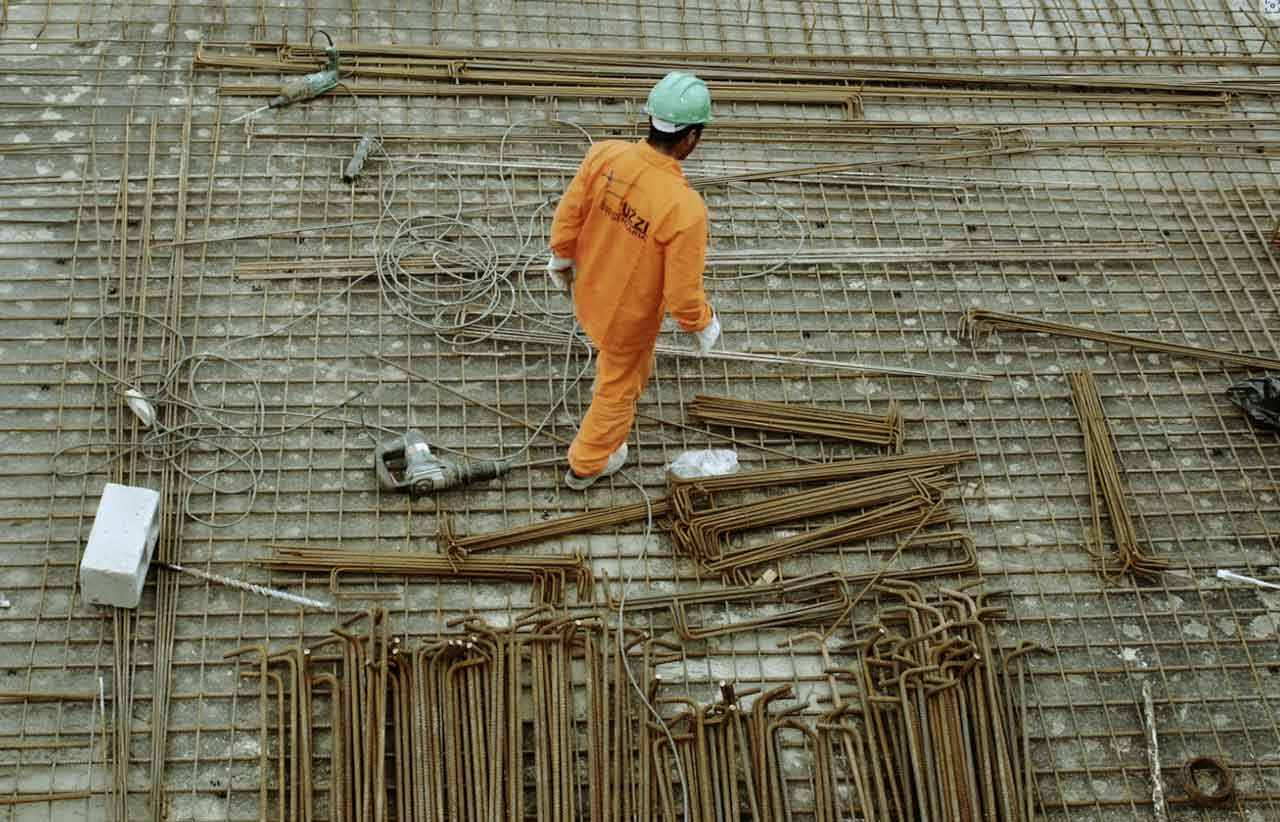
Queens continues to see construction activity across residential, commercial, and infrastructure projects. Behind every active worksite are employees who depend on contractors, property owners, and site supervisors to maintain reasonable safety standards. An accident can leave a worker facing medical treatment, time away from employment, and uncertainty about who may be held responsible. The New York City Department of Buildings reported 320 construction-related injuries on building sites across the five boroughs in 2025, a 34% decrease from the previous year. Despite the improvement, construction accidents remain a serious concern.
An injured worker may have several potential avenues for pursuing compensation, depending on the circumstances. Workers’ compensation may cover eligible medical expenses and lost wages, while certain accidents involving unsafe property conditions or third-party negligence may support additional legal claims. Consulting a construction injury attorney in Queens can help clarify which options apply, particularly when questions arise about contractor responsibilities, site safety violations, or liability beyond workers’ compensation.
Separate Workers’ Compensation From Lawsuits
Workers’ compensation can cover medical care for a job-related injury and part of the worker’s lost wages. It does not require proof that the employer caused the accident, and it generally does not pay for pain and suffering. A separate personal injury lawsuit may apply if someone outside the employer contributed to the injury, such as a property owner, contractor, or equipment manufacturer.
A construction injury attorney can assess how the accident occurred, identify potential claims, and organize supporting evidence. Useful records include incident reports, witness names, photographs, medical notes, and details about equipment or site conditions. A clear account of the injury and its effect on work helps distinguish a workers’ compensation claim from a potential third-party lawsuit.
Identify Every Possible Responsible Party
Several companies and decision-makers can be involved at a construction site. The employer, general contractor, subcontractor, property owner, or equipment maker may have had different responsibilities for the hazard. Record who controlled the work area, supplied the equipment, assigned the task, and knew about the unsafe condition.
A company’s presence at the site does not, by itself, establish responsibility. Investigators examine the conduct connected to the injury, including work instructions, inspection records, safety procedures, and maintenance history. Identifying the relevant parties early helps preserve records before equipment is removed or the project changes.
Preserve Evidence From the Worksite
Site conditions can change quickly after an accident. A damaged ladder might be replaced, an opening covered, or debris cleared before anyone documents the scene. When it is safe, photograph the hazard and surrounding area, along with tools, warning signs, and protective equipment.
While the details are fresh, write down the time, location, task, and sequence of events. Keep copies of incident reports and messages about the accident. Record witnesses’ names and contact information, since they might leave the job or forget details. Do not alter equipment or original files; preserve them as they are.
Document Treatment and Work Restrictions
Tell medical providers that the injury happened at work, and describe each symptom accurately, even if it seems minor at first. Follow-up visits document how the condition develops and whether treatment changes. Keep appointment summaries, prescriptions, test results, and instructions about lifting, driving, or returning to work.
Give work restrictions to the appropriate employer contact and keep a copy. Gaps in care or missed appointments can raise questions about the injury’s extent. Report changes in pain, mobility, or other symptoms at the next visit, rather than relying on memory much later.
Check How the Accident Happened
The accident’s mechanics can point to different evidence. After a fall, document the edge, ladder, scaffold, or opening involved. For a struck-by injury, record what moved, what the object hit, and what work was happening nearby. An electrical injury calls for details about the equipment and the task underway.
Compare the worker’s account with photographs, witness statements, incident reports, and site documents. Note any differences instead of guessing at an explanation. A precise timeline can help establish whether equipment, site conditions, work coordination, or several factors contributed to the injury.
Keep Claim Communications Consistent
Report the injury through the required workplace process, and keep copies of submitted forms. Record when each notice or document was sent and to whom. Before giving a statement to an insurer or employer, review the facts and correct errors promptly. Do not speculate about details the worker cannot recall.
Keep accounts of the accident and symptoms consistent across forms, appointments, and conversations. Before signing a release or settlement document, check which claims it covers and what rights it affects. A payment tied to one claim does not automatically resolve every other possible claim. The document and applicable rules determine its effect.
Consider How Losses Affect Recovery
Medical bills and missed pay do not capture every practical effect of an injury. It can limit a worker’s ability to resume the same duties, reduce future earning capacity, or create a need for help with ordinary tasks. Keep records of missed work hours, modified duties, out-of-pocket expenses, and changed responsibilities at home.
These details show how the injury affects the worker beyond initial treatment. They also help assess whether workers’ compensation, a third-party lawsuit, or both address the losses involved. Available damages and rules depend on the type of claim and the facts.
Conclusion
After a construction site accident, create a reliable record: document the scene, report the injury, follow medical instructions, and keep copies of claim-related communications. Then assess whether another party’s conduct contributed to the hazard. Workers’ compensation and personal injury claims follow different rules, so reviewing the facts can clarify which options remain available and what evidence each claim requires.