The first camping trip of the season often involves more preparation than expected. You pull out the equipment that has been sitting in storage for months, check the tent, organize cooking supplies, and start loading the vehicle. Then you discover that a charging cable is missing or a battery has very little charge left.
Solar equipment deserves the same attention before a trip. A quick inspection at home is much easier than discovering a problem after arriving at a remote campsite or cottage.
A few checks can help you avoid unnecessary interruptions and make better use of the electricity available during your stay.
Start With the Battery, Not the Solar Panels
Before packing anything, check the battery’s condition and available charge. If the equipment has been stored for several months, don’t assume it is ready to use simply because it worked properly on your previous trip.
Turn the unit on and check its display for battery level, warning indicators, and any unusual messages. If the battery needs charging, follow the manufacturer’s recommended charging procedure.
Check How It Was Stored
Storage conditions can affect battery performance over time. Very high or low temperatures may be unsuitable, depending on the battery chemistry and model.
If the unit was kept in an unheated garage during a Canadian winter, allow it to return to an appropriate temperature before charging, following the manufacturer’s instructions.
Also check whether the manufacturer recommends maintaining a particular charge level during long periods of storage. Different battery systems have different requirements, so avoid applying generic advice to every model.
Give the Solar Panels a Proper Inspection
Portable panels spend much of their working life outdoors. Dust, dried mud, leaves, and other debris can collect on their surfaces, especially after being used at campsites.
Before setting them up again, unfold the panels and inspect the surface under good lighting.
Look for scratches, damaged sections, loose hinges, or visible signs of wear. If cleaning is needed, use the method recommended by the manufacturer rather than household chemicals or abrasive materials.
Check the Folding Sections and Cables
A folding panel may look perfectly fine when closed, but its hinges and cable connections still deserve attention.
Open and close each section carefully. Check that the panels sit properly when unfolded and that the supporting stands or attachments are secure.
Inspect the connectors and cables for damaged insulation, bent pins, or signs of corrosion. If something appears damaged, don’t try to force the connection or repair it with improvised materials.
Replacing a damaged cable before departure is much easier than trying to find a compatible replacement at a remote location.
Test the Complete Setup at Home
Checking the battery and panels separately is useful, but testing the complete system is even better.
Connect the compatible panels according to the manufacturer’s instructions and check whether the unit recognises the charging input.
If possible, perform the test in a location with suitable sunlight. The displayed input power may change as clouds pass or the sun moves, so a single reading should not be treated as a guaranteed daily charging figure.
This is also a good opportunity to check the AC outlets and USB connections you intend to use during your trip.
A laptop or phone can serve as a simple test device. For larger appliances, verify their power requirements and make sure the unit can support both normal operation and any startup demand.
Plan for the Amount of Sunlight You Can Actually Expect
One mistake people make when preparing for an outdoor trip is assuming that solar panels will produce the same amount of electricity every day.
A clear summer afternoon and an overcast morning are very different charging conditions.
Think about where you will be staying. Will the campsite have open sunlight, or will it be surrounded by trees? Will the panels need to be moved during the day? Are you travelling during a season with shorter daylight hours?
These questions help determine whether your available battery capacity is sufficient.
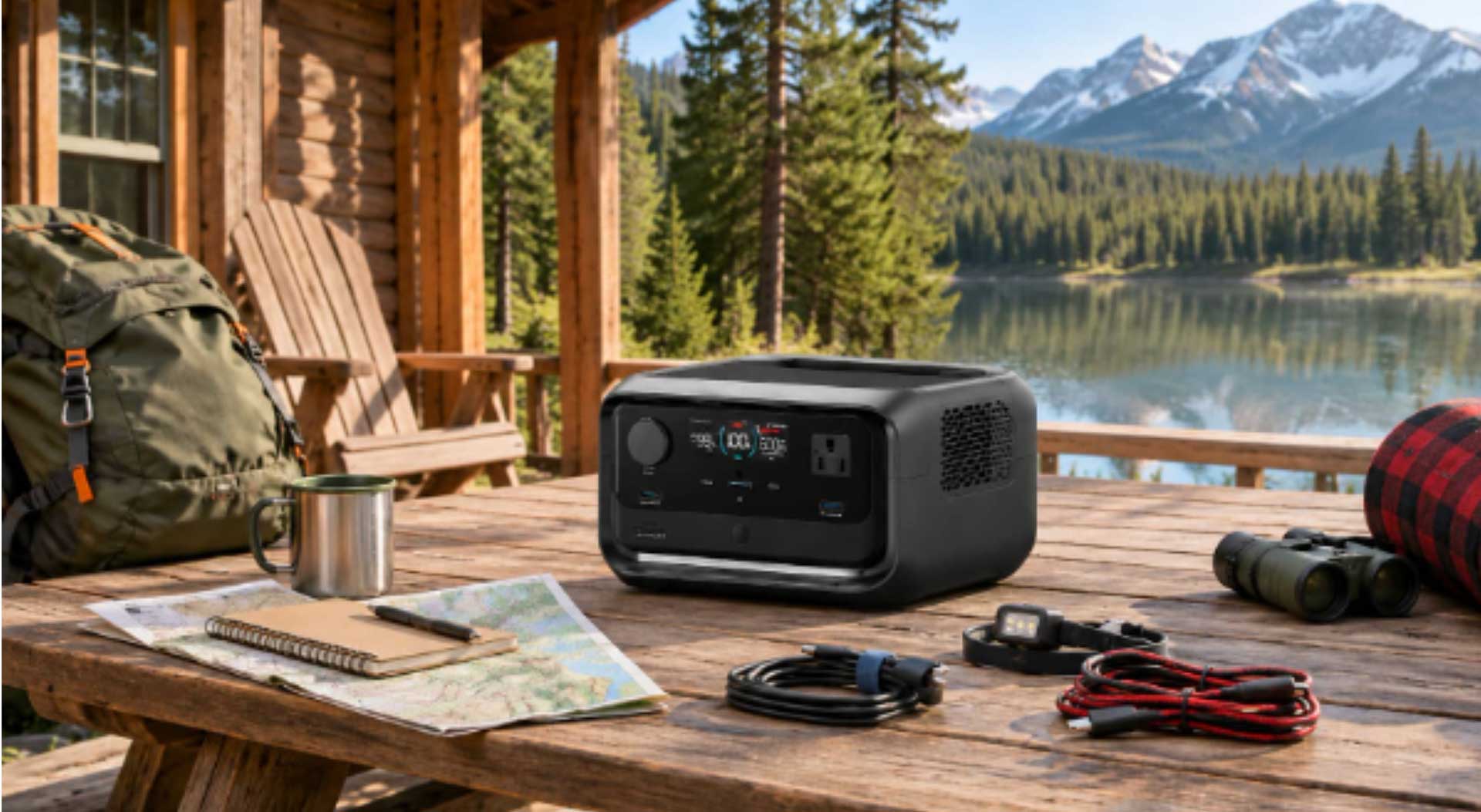
For anyone comparing different equipment combinations, a solar generator setup can provide a starting point for understanding how battery storage and compatible solar panels work together.
Don’t Forget Canadian Weather Conditions
Weather preparation is particularly important when travelling across Canada.
In summer, heat and direct sunlight can affect where equipment should be stored. Avoid leaving batteries inside a vehicle where temperatures may become excessive.
During autumn and winter, cold temperatures and shorter daylight hours create different challenges. Snow can cover solar panels, while some batteries have restrictions on charging below certain temperatures.
Check the manufacturer’s temperature limits before using or charging equipment outdoors. If conditions fall outside the recommended range, wait until the equipment is within its permitted operating conditions.
Pack the Small Things That Are Easy to Forget
A working battery and clean panels won’t help much if the necessary accessories are still at home.
Before leaving, check that you have:
- The correct solar charging cables.
- Compatible adapters, if required.
- AC charging equipment.
- Any necessary protective storage cases.
- The manufacturer’s operating instructions.
- A suitable way to keep equipment dry and protected during transport.
It is also worth saving the product manual on your phone. If you need to check an error message or connection requirement while travelling, you won’t have to rely on an internet connection to find the information.
A Few Checks Can Save a Lot of Trouble
Preparing solar equipment doesn’t need to become a complicated maintenance routine. Most of the important work involves checking the battery, inspecting panels and connections, and testing the complete setup before departure.
Doing these things at home gives you time to deal with missing accessories or equipment problems without disrupting your plans.
Once everything is ready, you can spend less time troubleshooting and more time enjoying the trip. That is really the point of preparing your equipment properly in the first place.