Higher-grade Interlake ore supported third-quarter production near Marathon, while labour, equipment and infrastructure spending kept costs elevated
MARATHON, Ont. – National Mining News – Hemlo Mining Corp. held attributable gold production near second-quarter levels despite an underground power failure, but the interruption delayed its planned ramp-up and helped push all-in sustaining costs higher.
The company reported attributable production of 25,652 ounces in the third quarter, up two per cent from 25,188 ounces in the previous quarter. Total production, before the Interlake royalty adjustment, was 29,617 ounces.
Higher-grade ore from the Interlake area helped lift the average processed grade to three grams of gold a tonne from 2.62 grams in the second quarter. Recovery improved to 95 per cent from 94.3 per cent.
Power failure reshapes mine plan
An underground electrical substation serving part of the Alimak production area failed during the quarter. Hemlo shifted work to other mine areas and moved a similar substation into place, but said the outage constrained mining rates and delayed the planned increase in production.
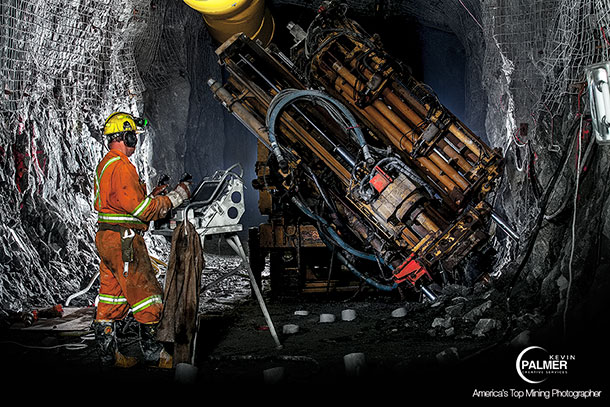
A spare substation remains scheduled for delivery in December. Production drilling rose 35 per cent from the second quarter, development held at 1,836 metres, and seven new mobile equipment units arrived. Seventeen of 21 planned units have reached the mine since the company acquired it in November 2025.
Hemlo also started test mining below the historic open pit to assess bulk-mining methods. Production drilling for the first test stope began in mid-October.
Investment lifts quarterly AISC
Attributable cash cost declined to US$1,799 an ounce sold from US$1,880 in the second quarter as more ounces were sold. All-in sustaining cost rose to US$2,660 an ounce from US$2,561, mainly because sustaining capital increased to US$25.1 million from US$17.5 million.
The company said mining costs also reflected added employees and contractors, competition for skilled labour, higher consumable prices and tariffs on parts and equipment. Hemlo employed 555 full-time workers and 373 contractors at quarter-end, with about 75 per cent drawn from surrounding communities.
Revenue was US$135.5 million and net income was US$3.5 million. Operating activities generated US$54.6 million in cash, and the company ended September with US$144.8 million in cash. These financial results use U.S. dollars.
What comes next
The immediate operating test is the December substation delivery and whether new equipment, recruitment and underground development translate into a sustained production increase. Hemlo has not provided full-year production or cost guidance in the results release.
The company is also continuing a 130,000-metre drilling program and expects an updated mineral resource, reserve and life-of-mine plan in the second half of 2027. For the Marathon area, the hiring mix and contractor demand remain important local measures of how quickly the long-running mine can expand under its new owner.