Its new U.S. Grid Protectors Program builds on a Georgia contract, while Ontario develops similar rules around electricity costs
THUNDER BAY – TECH – OpenAI says future U.S. computing campuses will be designed to reduce electricity use during periods of grid strain, as public concern grows over the cost of supplying power to artificial-intelligence facilities.
The company’s Grid Protectors Program will seek agreements with utilities and regulators specifying how much demand individual campuses can reduce, how quickly they can respond and how long reductions can last.
Sites could also use batteries, on-site generation and power controls to smooth changes in demand. OpenAI said large computing facilities should pay for the electricity and infrastructure required to serve them instead of shifting those costs to households and small businesses.
Georgia provides the first model
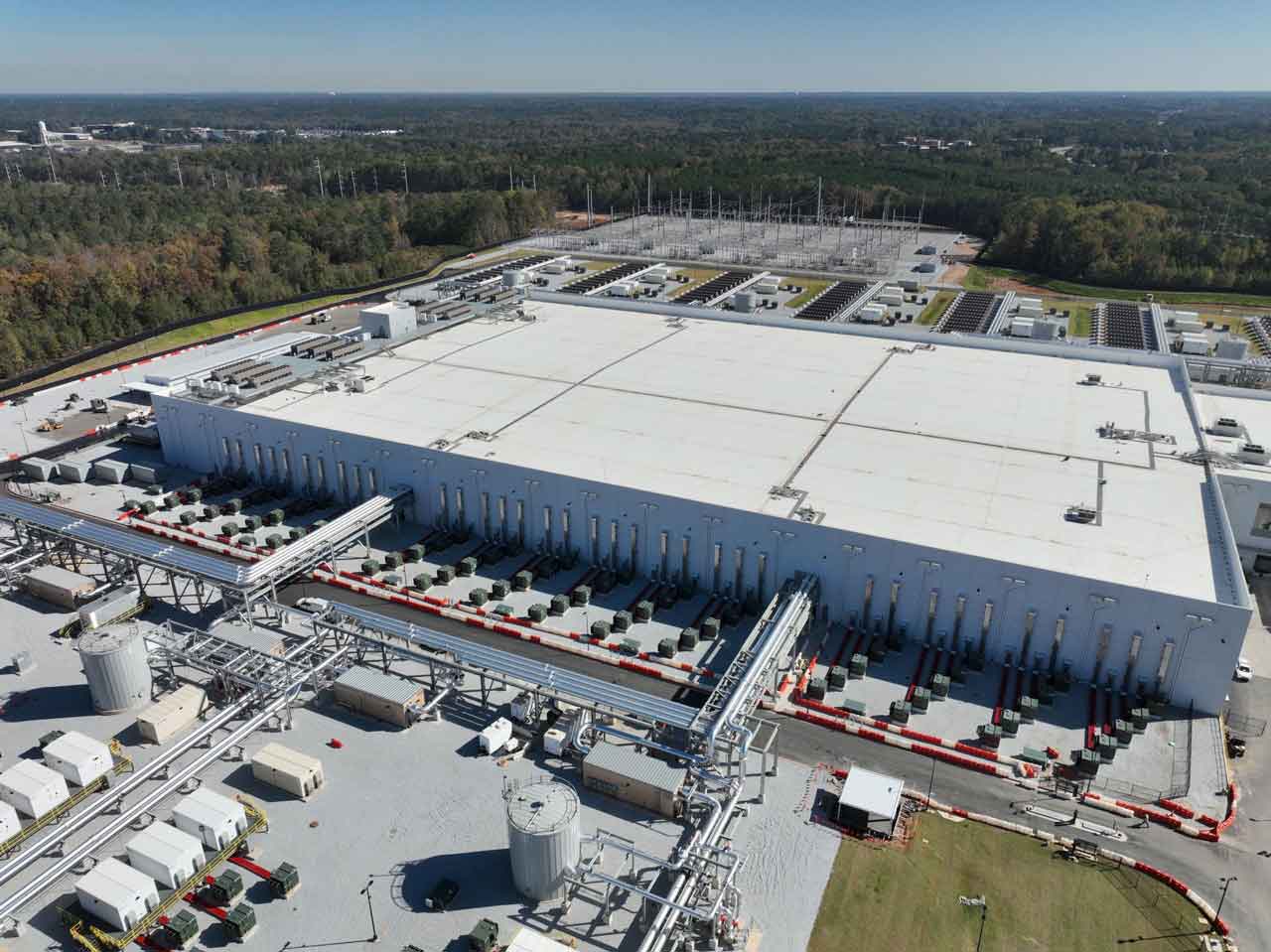
A planned OpenAI campus in Effingham County, Ga., is expected to require approximately 3,200 megawatts under a 25-year electricity agreement.
OpenAI has committed to paying the project’s infrastructure and service costs and providing up to 1,000 MW of flexible demand response. Georgia Power would be able to reduce electricity delivered to the campus during high-demand periods.
Georgia Power projects that its portfolio of large-customer agreements will produce approximately US$950 million in annual savings beginning in 2029, including at least US$15 a month for a typical residential customer.
Those figures are utility projections, not realized savings. The effects will depend on campus construction, future electricity demand, generation costs and regulatory oversight. OpenAI also acknowledges that flexible consumption cannot replace new generation and transmission.
Direct relevance to Ontario
Although Grid Protectors currently applies to future U.S. campuses, the policy question is already active in Canada.
Ontario’s proposed Data Centre Playbook says facilities should pay their full electricity costs so residential customers do not subsidize them. The province is also considering community benefits and grid-connection criteria.
Ontario’s Independent Electricity System Operator expects data centres to account for 8.6 per cent of provincial electricity consumption by 2050 in its reference scenario. It identifies AI facilities as one of the largest uncertainties in long-term demand forecasting.
OpenAI’s Georgia arrangement gives Canadian regulators a concrete model to examine, but the test will be whether enforceable contracts produce measurable savings and reliable demand reductions rather than voluntary promises alone.
Sources: OpenAI Grid Protectors announcement; Georgia Power contract details; Ontario Data Centre Playbook; IESO 2026 planning outlook