Two Nipigon residents face drug and firearm charges after an OPP search. Learn what the Criminal Code allegations mean and the maximum penalties
NetNewsLedger Regional Crime News — October 29, 2026
NIPIGON — Two Nipigon residents face drug and firearm charges after Ontario Provincial Police searched a home on Harkness Street on Thursday, October 29.
Members of the Nipigon OPP Community Street Crime Unit executed the search warrant with assistance from the OPP Emergency Response Team and K9 Unit.
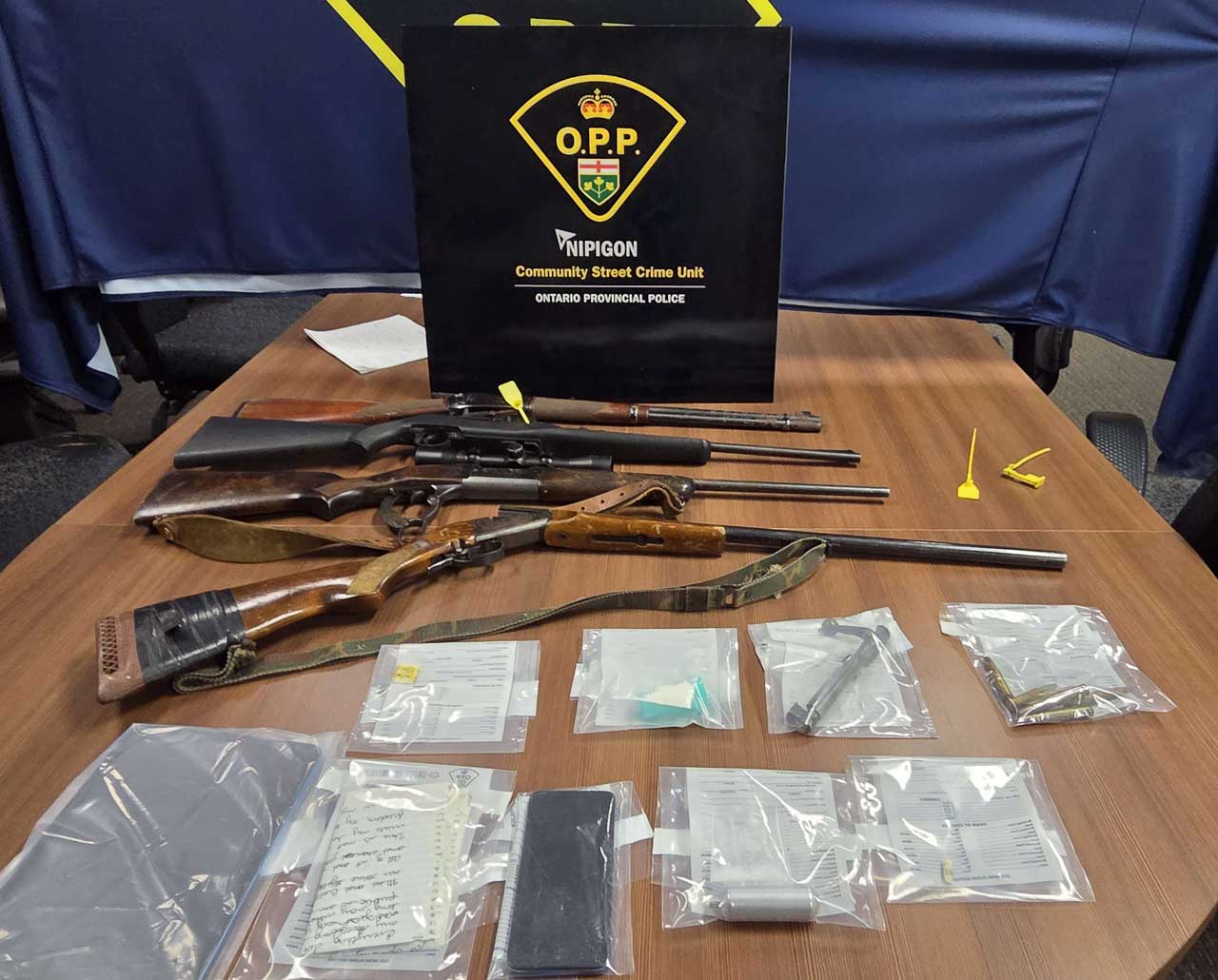
Police say officers found a small quantity of suspected methamphetamine and four long guns that were improperly stored.
Agnes Hardy, 40, and William Laird, 67, both of Nipigon, are each charged with:
- Trafficking in a Schedule I substance — methamphetamine;
- Trafficking in a Schedule I substance — cocaine;
- Possession of a Schedule I substance — methamphetamine;
- Careless storage of a firearm; and
- Unauthorized possession of a firearm.
Laird also faces a charge of failing to comply with a probation order.
The firearm and probation charges fall under the Criminal Code. The drug charges fall under the Controlled Drugs and Substances Act.
Both accused were remanded into custody for a bail hearing. The allegations have not been proven in court, and both accused are presumed innocent.
Careless storage of a firearm: Section 86 of the Criminal Code covers storing a firearm carelessly or without reasonable precautions for other people’s safety, without lawful excuse. It also covers breaches of firearm storage regulations. If prosecuted by indictment, the maximum prison sentence is two years for a first offence or five years for a second or subsequent offence. Police have not described the specific storage conditions alleged in this case.
Unauthorized possession of a firearm: Under section 91, this generally involves possessing a firearm without the required licence, subject to exceptions in the law. Restricted and prohibited firearms also require a registration certificate. The maximum prison sentence is five years if prosecuted by indictment. The release does not identify the legal classification of the four long guns.
Failure to comply with a probation order: This charge, laid against Laird, alleges a failure or refusal to follow a probation order without a reasonable excuse. Under section 733.1, the maximum prison sentence is four years if prosecuted by indictment. Police have not identified the probation condition allegedly breached.
Each of these three Criminal Code offences can also be prosecuted by summary conviction. If the Crown chooses that route, the general maximum under section 787 is two years less a day in jail, a $5,000 fine, or both.
These are legal maximums, not automatic sentences or predictions of the outcome. Any sentence would follow a conviction and depend on the circumstances of the offence and the individual.
Anyone with information about illegal drug possession or trafficking is asked to contact the OPP at 1-888-310-1122.