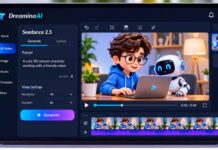
Artificial intelligence is changing the way people create digital content. From generating realistic images to producing professional-quality videos, AI-powered tools are making creative production faster, easier, and more accessible. Businesses, marketers, designers, and content creators are increasingly using AI to turn simple ideas into engaging visual experiences.
As AI technology continues to evolve, tools such as Claude and modern AI image and video generators are becoming important parts of creative workflows.
The Growing Role of AI in Digital Content Creation
Traditional content production often requires specialized software, technical knowledge, and significant time. AI is simplifying these processes by allowing users to generate content through natural language prompts.
Today, creators can use AI to:
- Generate images from text descriptions.
- Transform static images into animated videos.
- Create marketing visuals and promotional videos.
- Develop storyboards and creative concepts.
- Edit and enhance existing images and videos.
- Produce social media content more efficiently.
These capabilities are helping individuals and businesses reduce production time while exploring new creative possibilities.
Understanding Claude AI and Its Role in Content Creation
Claude AI, developed by Anthropic, is an AI assistant designed to understand instructions, generate text, analyze information, and support creative and technical workflows.
It can help users brainstorm visual concepts, write image-generation prompts, develop video scripts, and organize creative projects.
However, it is important to distinguish between an AI assistant and a dedicated media-generation platform. Claude can help prepare creative instructions, but it should not be confused with a dedicated image or video generation engine.
What Is a Claude AI Video Generator?
The term Claude AI video generator is commonly used when people search for ways to use Claude in AI-powered video creation.
Claude can assist with video production by generating scripts, developing scene descriptions, creating storyboards, and writing detailed prompts for video-generation platforms.
For example, a content creator can ask Claude to develop a short promotional video concept, including dialogue, scene transitions, camera directions, and visual descriptions. These instructions can then be used with a dedicated AI video generator to produce the actual video.
This combination allows creators to use conversational AI for planning and specialized video tools for visual production.
What Is a Claude AI Image Generator?
Similarly, the keyword Claude AI image generator reflects growing interest in using Claude for AI-assisted image creation.
Claude can help users develop detailed image prompts, describe artistic styles, suggest compositions, and refine visual concepts. These prompts can then be transferred to dedicated AI image-generation tools.
For example, someone creating an advertising campaign can use Claude to develop a detailed description of a product photograph, including lighting, background, camera angle, and visual style.
A dedicated image-generation platform can then turn that description into an actual image.
How Dedicated AI Image and Video Generators Work
While conversational AI assistants help with planning and prompt creation, dedicated AI media-generation platforms handle the actual visual generation.
Most modern platforms offer two popular image-generation methods:
Text-to-Image: Users describe an image in words, and the AI creates a visual based on the prompt.
Image-to-Image: Users upload an existing image and use AI to modify its appearance, style, background, or other visual elements.
AI video generators also support different workflows:
- Text-to-Video: Generate video clips from written descriptions.
- Image-to-Video: Animate existing photographs or illustrations.
- Video-to-Video: Transform existing footage into different visual styles.
- AI Video Editing: Modify, extend, or enhance video content.
These features make AI generation useful for everything from personal creative projects to commercial marketing campaigns.
Why Creators Are Adopting AI Creative Tools
AI creative platforms offer several advantages:
- Faster Content Production
AI can significantly reduce the time needed to develop visual concepts and produce creative assets.
- Greater Creative Flexibility
Creators can experiment with different styles, compositions, characters, and visual effects without starting every project from scratch.
- Lower Production Barriers
People without professional design or video-editing experience can explore creative production using simple text prompts.
- Better Marketing Opportunities
Businesses can create product visuals, advertisements, social media videos, and promotional content for different audiences.
- Improved Creative Workflows
Combining AI assistants with specialized image and video generators helps streamline the entire process, from brainstorming to final production.
Choosing the Right AI Tools for Your Creative Projects
Selecting the right platform depends on your content requirements.
If you need help writing scripts, generating ideas, developing prompts, or organizing creative workflows, conversational AI assistants such as Claude can be useful.
If your goal is to create actual images or videos, dedicated AI media-generation platforms are more appropriate.
Look for tools that offer:
- High-quality image and video generation.
- Text-to-image and text-to-video capabilities.
- Image animation features.
- Multiple AI models.
- Creative editing options.
- Flexible pricing and usage limits.
- Commercial usage rights that suit your project.
The Future of AI-Powered Creativity
AI is making digital content creation more accessible by combining intelligent assistants with specialized creative-generation platforms.
In the future, these technologies are likely to become even more integrated, helping creators move from a simple idea to a complete visual project with fewer manual steps.
Whether someone is researching a claude AI video generator, exploring a claude AI image generator, or looking for advanced AI-powered creative software, understanding the difference between conversational AI and dedicated generation tools is essential.
The biggest opportunity lies in combining these technologies: using AI assistants to develop ideas and dedicated creative platforms to bring those ideas to life.