NewsEagles Indigenous News: First Nations Challenge Ottawa’s Project Bill as Policing and Water Remain Priorities
October 10, 2026 — Indigenous rights, community safety, housing and land stewardship lead this roundup from Northern Ontario, across Canada and around the world.
THUNDER BAY — First Nations organizations, including Nishnawbe Aski Nation, are calling on Ottawa to withdraw its proposed Building Canada Strong Act, warning that faster project approvals could undermine their rights and their ability to assess developments affecting their territories.
The dispute leads this NewsEagles roundup, alongside policing developments in Thunder Bay, Indigenous business opportunities and international struggles over land and accountability.
National: First Nations challenge Bill C-39
The Chiefs of Ontario, Assembly of First Nations Quebec-Labrador, British Columbia Assembly of First Nations and Nishnawbe Aski Nation issued a joint statement October 8 calling for Bill C-39 to be withdrawn.
They argue that First Nations need sufficient time, information and resources to review projects, consult their citizens and make decisions through their own governance processes.
“This government is writing legislation about our lands and our future without us at the table,” NAN Grand Chief Alvin Fiddler said.
The federal government says the legislation would accelerate project reviews, attract investment and uphold Indigenous rights. Its September 21 announcement describes completing federal reviews and decisions within one year after a comprehensive application.
Parliament’s legislative record confirms that Bill C-39 passed second reading and was referred to a House of Commons committee October 8. It has not become law.
For Northern Ontario, the debate is relevant to communities reviewing resource and infrastructure proposals. The joint statement should not be treated as the position of every First Nation on every individual project.
National: First Nations–First Ministers’ Meeting approaches
The Assembly of First Nations lists a First Nations–First Ministers’ Meeting for October 26 in Ottawa, on unceded Algonquin Territory. A day of ceremony is planned for October 25.
The AFN says First Nations are to set the agenda, with the meeting intended to establish shared priorities with federal, provincial and territorial governments.
Participation is limited to designated Chiefs selected through regional leadership. The event page says the venue and some arrangements remain to be finalized.
National: Inuit housing and stewardship funding remains a major file
In a September 11 update, Inuit Tapiriit Kanatami reported allocating $130 million in federal housing funding through Inuit Treaty Organizations, alongside more than $88 million for environment and nature initiatives.
The environmental funding includes $51 million for Inuit Guardians, who monitor ecological health, protect cultural sites and help pass knowledge between Elders and youth.
ITK also reported work on a replacement for the Inuit Child First Initiative, saying Inuit want permanent funding for children’s health, education and related supports. These are September updates; the allocations do not establish that housing has been completed or services delivered.
Regional: Drinking-water advisories remain an unfinished priority
Indigenous Services Canada’s published figures, dated September 10, list 38 active long-term drinking-water advisories on the First Nations systems covered by its tracker. Ontario accounts for 27 advisories in 26 communities.
The tracker includes affected systems in Eabametoong, Fort Severn, Gull Bay and Marten Falls, among other communities.
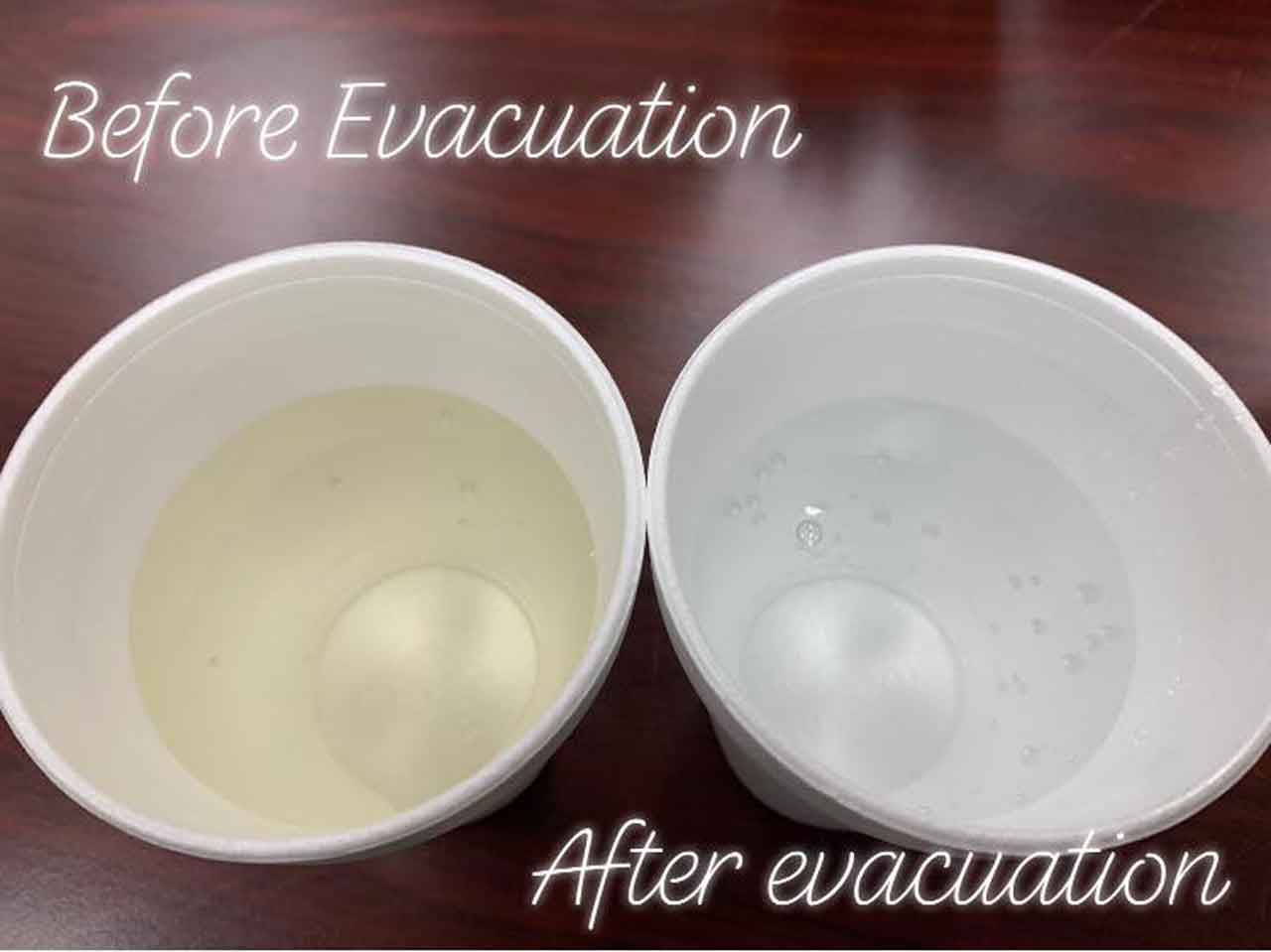
Neskantaga remains the longest boil-water advisory in Canada – with over twenty years of unsafe tap water.
These advisories concern specific systems, rather than necessarily every water supply in a community. The figures should not be presented as a fresh October 10 count.
Regional: North Spirit Lake member joins Ontario’s justice system
NAN announced October 1 that Desta Buswa, a member of North Spirit Lake First Nation, was sworn in as a justice of the peace of the Ontario Court of Justice at a ceremony in Lac Seul First Nation.
Buswa is an educator whose work has included Keewaytinook Internet High School and the Keewaytinook Okimakanak Board of Education.
NAN Grand Chief Alvin Fiddler welcomed the appointment, saying greater First Nations representation can bring valuable perspectives to the justice system and provide an example for young people.
Regional: Métis business registry creates purchasing connections
The Métis Nation of Ontario announced October 5 that it is creating a registry for businesses majority-owned by MNO citizens.
Registered businesses may have opportunities to supply the MNO Secretariat, including through local purchasing at more than 30 offices and owned properties. The registry will also support referrals through its partner network.
Eligible entrepreneurs can begin through the MNO’s registration page. Inclusion provides a potential business connection; it does not guarantee a contract.
Local: Thunder Bay meeting highlights NAPS expansion and drug violence
At the Nishnawbe Aski Police Service’s October 6 annual general meeting in Thunder Bay, Chief Terry Armstrong outlined a goal of growing to approximately 520 officers and close to 200 civilian employees over seven to eight years.
According to TimminsToday reports published October 8 and 9, Armstrong said recruitment is progressing, while Fiddler warned that drug trafficking and related violence are increasing demands on policing in remote communities.
The meeting brought together police leadership and Chiefs from the 34 First Nations served by NAPS. The staffing figures describe a future goal, rather than the service’s current complement.
Local and Lake Superior: Indigenous leaders mark Nipigon Bay restoration
An October 9 MNO report highlights the participation of Region 2 Councillor Alicia Brink and Thunder Bay Métis Council President Wendy Houston in the announcement that Nipigon Bay was removed from the list of Great Lakes Areas of Concern.
The announcement itself took place August 28. The Canada Water Agency says the milestone followed nearly four decades of work to improve water quality and habitat.
Red Rock Indian Band Chief Allan Odawa welcomed the progress while stressing that the community’s responsibility to care for the bay continues.
The MNO identifies healthy fish, wildlife and waters as important to harvesting and community life in Northwestern Ontario.
International: Brazilian Indigenous organizations warn about election results
The Articulation of Indigenous Peoples of Brazil, known as Apib, and environmental organizations warn that gains by lawmakers supporting mining and weaker environmental protections could increase pressure on Indigenous territories.
Associated Press reporting, republished by ICT October 7, describes their concerns following Brazil’s October 4 elections.
The presidential contest is heading to an October 25 runoff between President Luiz Inácio Lula da Silva and Senator Flávio Bolsonaro.
The warnings concern future policy; the election result does not mean new mining rules have already been enacted.
International: Kenyan communities challenge carbon-credit project
Survival International reported October 2 that more than 30 members of Indigenous communities in Biliqo Bulesa, Kenya, have filed a lawsuit challenging a carbon-credit project operated by the Northern Rangelands Trust.
According to Survival, the plaintiffs allege their land was enrolled without their free, prior and informed consent. They seek control over their lands and transparency about project revenue.
The allegations require determination through the legal process. A response from the trust to this new case was not located in the material reviewed.
International: Inuit women’s rights central to Greenland accountability call
UN human rights experts have urged Denmark and Greenland to keep Inuit women’s rights, truth and accountability at the centre of their response to contraception imposed without consent.
An October 9 JURIST report describes the experts’ October 7 statement, including their position that financial compensation cannot replace truth and accountability.
The report says remedies must be accessible in culturally and linguistically appropriate ways, including for Inuit women with disabilities.