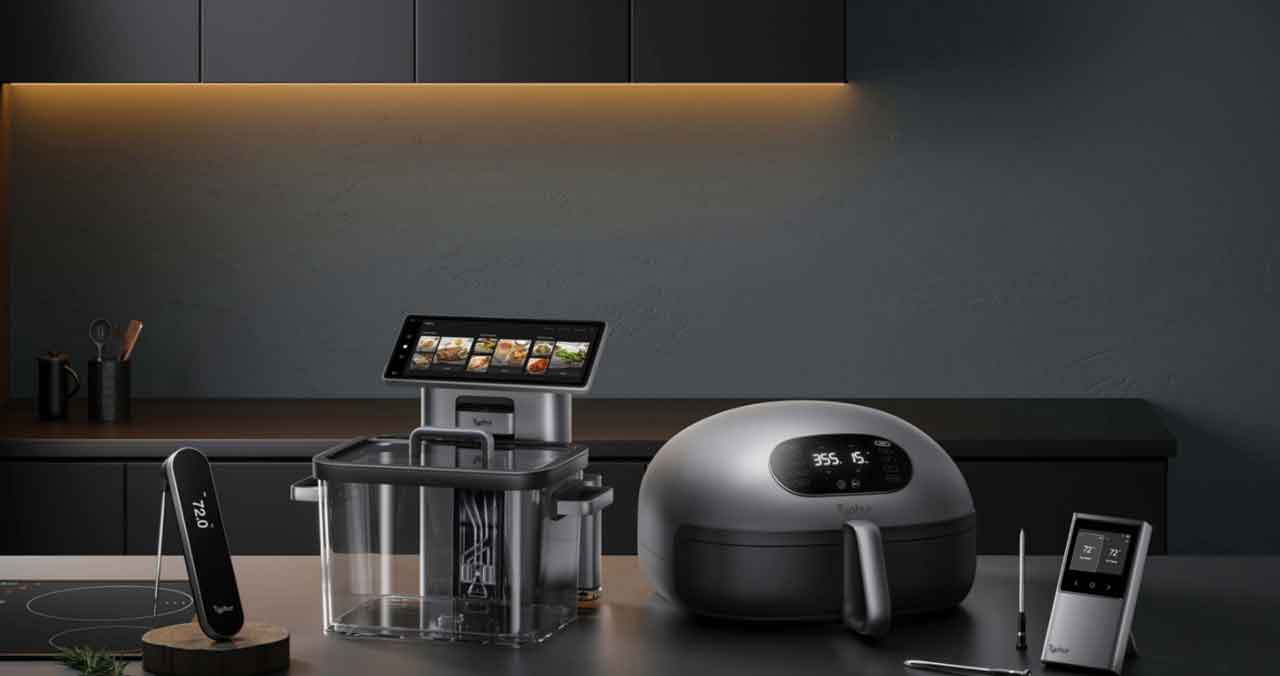
Cooking at home used to mean a lot of guesswork. You set a timer, hoped for the best, and often ended up with dry chicken or underdone steak. These days, kitchen technology is changing that. Smart tools track temperatures, adjust cooking automatically, and even suggest recipes from a photo of your ingredients. One brand leading this shift is Typhur Robotics, a company focused on bringing cooking science into everyday homes through intelligent appliances and tools.
This article looks at the main trends reshaping how we cook and how Typhur’s products fit into them. The goal is simple: better results with less stress.
Precision Temperature Control Instead of Guessing Time
The biggest change in modern kitchens is moving from “cook for 20 minutes” to “cook until it reaches the right internal temperature.” Meat continues to cook even after you take it off the heat (called carryover cooking), so timing alone often leads to overdone results.
Typhur focuses heavily on this idea. Their Sync Oven is the world’s first countertop oven with a built-in wireless probe. You pick the type of meat and how done you want it. The probe, with multiple sensors, tracks the internal temperature in real time. When the food hits your target, the oven stops automatically. No more opening the door to check or relying on guesswork.
The Sync Air Fryer works the same way. It is the first air fryer with a built-in wireless probe for automatic doneness control. Both appliances let you cook by temperature rather than time, which is especially helpful for whole chickens, roasts, or steaks. Typhur’s wireless thermometers, like the Sync series and InstaProbe, extend this precision to grills, smokers, or regular ovens. Some probes offer long-range monitoring so you can check progress from another room.
This approach takes the pressure off. You set your preference once and let the tool handle the rest. It makes consistent, restaurant-level results possible for busy home cooks.
Air Fryers That Do More and Clean Themselves
Air fryers have become popular for faster, healthier cooking with less oil. But many still require careful watching and leave behind greasy messes. Newer designs solve those problems.
Typhur’s Dome 2 air fryer stands out with its wide, shallow basket that fits more food in a single layer—think a full pizza or plenty of wings without stacking. It uses strong airflow and heating for even, crispy results. One standout feature is the self-cleaning mode. It heats the cavity to break down grease and reduce odors and buildup, making cleanup much easier than scrubbing by hand. Many parts are also dishwasher-safe.
These improvements turn the air fryer into a true multi-use appliance. You can roast, bake, dehydrate, reheat, and more in one unit, freeing up counter space and reducing the number of tools you need.
AI Help From Idea to Finished Meal
Artificial intelligence is starting to play a bigger role in home kitchens. Instead of scrolling through recipes or calculating nutrition by hand, smart systems can guide you.
Typhur’s AI features let you snap a photo of ingredients or describe a dish. The system generates a tailored recipe with step-by-step instructions that can send settings directly to compatible Typhur devices. There is also an AI Wellness tool that identifies foods, estimates portions, calculates calories and nutrients, and offers simple dietary suggestions.
This lowers the barrier for trying new meals. You do not need to be an experienced cook or spend time searching. The technology supports you from planning through cooking and even understanding what you are eating.
Convenience Features That Fit Real Life
Good kitchen tech should fit into daily routines rather than add work. Several trends focus on this.
Wireless connectivity and apps allow remote monitoring and control. Typhur products connect so you can check temperatures or receive alerts on your phone. Some thermometers work over long distances, useful for outdoor grilling or large homes. Scheduled cooking options and automatic shutoffs add safety and flexibility—helpful if you want dinner ready when you walk in the door.
Quiet operation matters too. Noisy appliances can disrupt conversation or quiet evenings. Designs that run more quietly make the kitchen more pleasant. Capacity also counts. Larger cooking areas mean you can prepare family-sized meals in one go instead of batches.
Cleaning and maintenance get attention as well. Self-cleaning modes, dishwasher-safe parts, and easy-to-wipe surfaces reduce the after-dinner chore. Even small tools, like improved whisks or ice makers that produce soft nugget ice quickly, remove friction from everyday tasks.
Why Science-Based Design Makes a Difference
Behind these trends is a focus on actual cooking science—how heat moves, how proteins set, and how juices stay locked in. Typhur builds products around this understanding. Their team includes food scientists and engineers who test extensively so the tools deliver predictable results without complicated learning curves.
The company positions itself as a home robotics brand focused on the kitchen. Their longer vision includes more automated systems, but today’s products already deliver precise sensing and control that everyday cooks can use right away. Features like NIST-verified accuracy on temperature probes and thoughtful details (such as probes that resist high heat and water) show attention to real performance.
Users often note that these tools replace several older appliances and build confidence. Perfect roast chicken or evenly crisped vegetables become routine rather than special-occasion achievements.
Practical Ways to Bring These Trends Home
You do not need to overhaul your entire kitchen at once. Start with one high-impact tool that matches how you cook most often.
- If you roast meats or cook whole chickens frequently, a temperature-controlled oven or air fryer with a built-in probe makes the biggest difference.
- For grilling or smoking, a reliable wireless thermometer gives freedom to step away without worry.
- If cleanup is your least favorite part, look for self-cleaning features or simple designs.
- Curious about trying new recipes or tracking nutrition? AI-assisted tools lower the effort.
Looking Ahead
Kitchen technology will keep improving. We can expect even smarter automation, better integration between devices, and tools that adapt more closely to individual preferences and dietary needs. The core idea stays the same: remove unnecessary friction so more people can enjoy cooking and eating well at home.
Precision temperature control, versatile air fryers, helpful AI, and thoughtful convenience features are already changing daily routines. Brands like Typhur are making these advances accessible by grounding them in cooking science and designing for real homes rather than professional kitchens only.
The result is less stress, more consistent meals, and more time to enjoy the food and the people you share it with. Whether you are a beginner or someone who already loves to cook, these tools can make the process smoother and the results better.
Conclusion
Kitchen technology is making home cooking simpler, more precise, and more enjoyable. Tools that cook by temperature instead of guesswork, versatile air fryers with self-cleaning features, and AI that turns a photo into a full recipe are changing everyday meals. Typhur leads this shift by bringing cooking science into ordinary kitchens through smart ovens, air fryers, and thermometers that deliver consistent results with less effort.