It’s 2 a.m., the furnace has quit, and the thermometer outside reads -28°C. By breakfast, the house is cold, and the quote you’ve just received is bigger than your bank balance.
What makes a repair urgent? What happens if you wait? Plain and simple. The dollar figure at the bottom of an estimate is a separate matter. Before you search for same-day loans in Canada, control the hazard, take photos of the damage, and call your insurer. Some repairs need money right now: if waiting could put someone at risk or leave the house without heat, fund the work immediately. Water still spreading? That gets the emergency call too. So does anything electrical. A safe temporary measure can buy time to compare estimates. Suspected carbon monoxide cannot.
Household budgets are tighter than they used to be. The Canadian Center for Policy Alternatives found that the cost of a basic household basket rose 17.4% between 2019 and 2024.
How Should You Prioritize Winter Home Repairs in Northern Ontario?
Prioritize conditions that threaten people or let damage spread quickly. The rest comes down to scheduling.
Spot Safety and Property-Damage Warning Signs
- Suspected carbon monoxide or a combustion problem: Get everyone out of the building and call 911 or your gas utility’s emergency line. Leave the appliance alone; diagnosing it yourself is not your job tonight.
- Electrical trouble: Keep clear of outlets that feel hot to the touch, and of anywhere you smell burning or see sparking. If a fire could start at any moment, call 911. Otherwise, contact a licensed electrical contractor. And never open a panel that has gotten wet.
- An uncontrolled plumbing leak: Close the fixture valve or main water shutoff if you can reach it safely.
- A total heating failure in severe cold: People come before equipment. Give extra attention to infants and to anyone with medical needs or limited mobility.
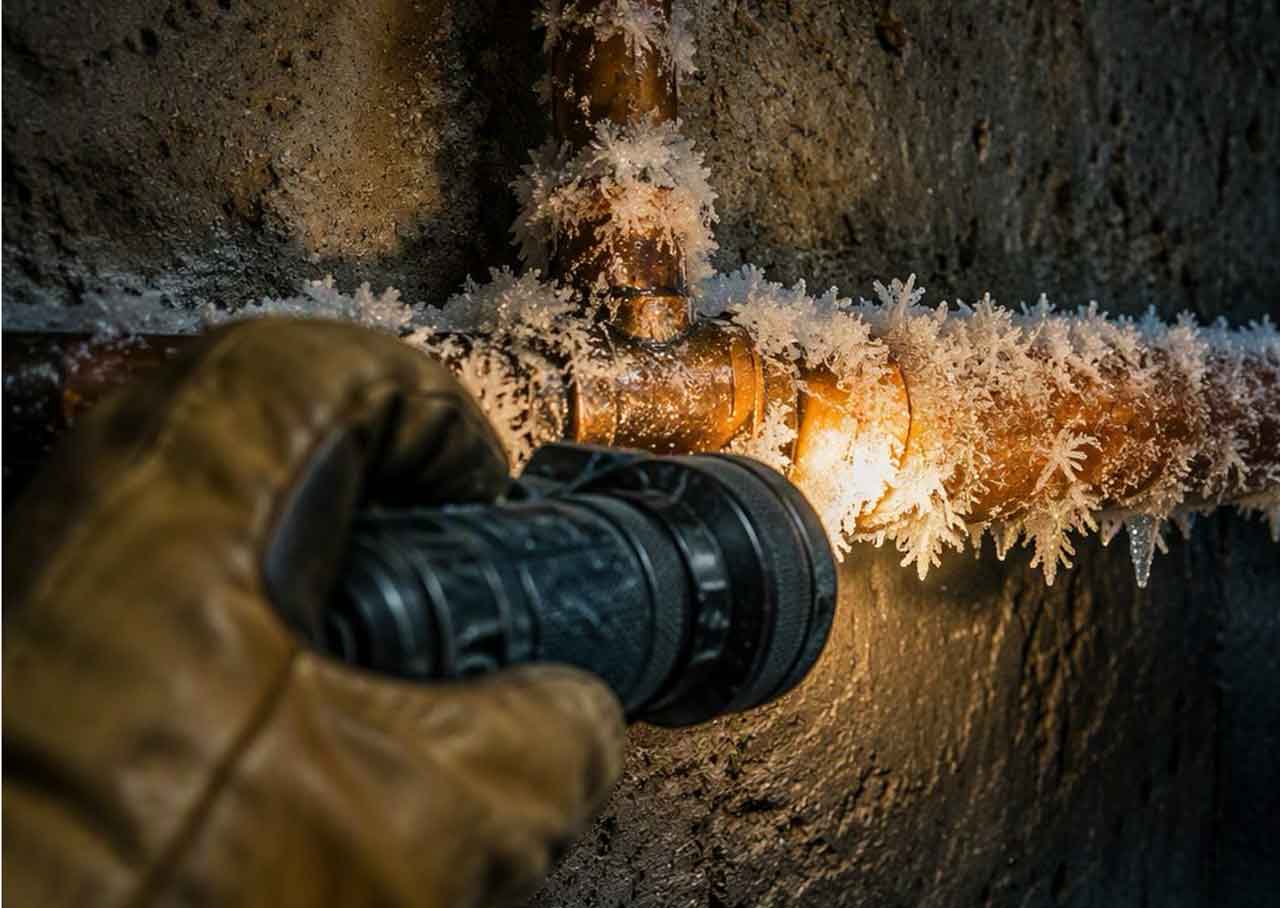
- A frozen pipe in trouble: See a pipe starting to swell? Shut off the water now, before it cracks. If it is already weeping or split, shut off the water and contact a licensed plumber. Never put an open flame on a pipe.
A noisy blower motor can wait for a scheduled service call. An appliance producing fumes or unsafe heat cannot wait, and a remote description cannot confirm the equipment is safe.
Follow a Short Triage Sequence
- Move people away from the hazard and call emergency services if needed.
- Only stop further damage if you can do it safely; closing the main water valve is one example.
- Photograph the area before cleanup. Then write down the time, the temperature, and what you did.
- If circumstances allow, contact your insurer before authorizing any permanent work.
- Have a qualified contractor sort the job into two piles: stabilization needed now, and work that can be scheduled later.
- Compare funding options once the minimum safe scope and timing are clear.
In home insurance claims, insurers distinguish between emergency mitigation (work needed tonight to prevent further harm) and permanent restoration (repairs scheduled later). Naming those parts keeps a 1 a.m. decision from quietly becoming a renovation. Ask which part you are approving tonight and get the answer on the estimate.
Decide What Can Safely Wait
A repair can wait when you can isolate the affected system and keep occupants safe. The damage must not still be spreading, and a qualified contractor should confirm that delay will not expand the problem. All four have to line up.
Concrete examples help. A dripping faucet with a working shutoff valve can usually wait for a scheduled visit. A minor roof defect with no active leak can often take temporary protection until conditions improve. Cosmetic drywall damage is a job for after you fix the moisture source and the area has dried. Use this framework to set priorities; diagnosing your own furnace or wiring is a job for a professional.
What Should You Confirm Before Approving Emergency Work?
This is where you control the scope and the paperwork. Both affect what the repair ultimately costs you.
Document the Problem and Contact Insurance
Start a claim file the same day. Take photographs and record video, then note when you found the problem and the outdoor temperature. Add contractor messages and receipts, and keep a running inventory of damaged property. Keep everything together, including signed contracts, invoices, payment records, and notes showing when the problem began. The file supports your insurance claim, clarifies the contractor’s obligations, and helps you track the event’s full cost.
Call the claims line early. Ask what emergency mitigation your policy requires and whether your insurer needs prior authorization before permanent work begins.
Confirm how the deductible applies. Ask whether temporary accommodation, water cleanup, or damaged contents may be covered.
Keep damaged materials when safe. Retain them unless your insurer or contractor says disposal is necessary. Policies, exclusions, maintenance requirements, and claim decisions differ, so do not assume your policy covers an expense until your insurer confirms it.
Review the Estimate, Deposit, and Work Sequence
A useful written estimate identifies the immediate problem and the work required to make the property safe. It should show labor hours and materials, plus travel charges and taxes. The deposit and warranty terms belong there too, with every payment date listed. Ask for local written estimates; national price ranges will not capture what travel distance and limited local parts availability do to the total in Northern Ontario. After-hours rates increase the total further.
A deposit alone is not a red flag. A contractor ordering a heat exchanger or driving 90 minutes each way has costs before the work starts. You should still know what the deposit secures and whether any portion is refundable.
Work required today: Have the contractor identify the minimum work needed to address the immediate hazard.
Work that can be postponed: Put anything that can wait without increasing the damage on a separate line with a separate date.
Factors that could change the price: Hidden damage is the usual cause of an increase, along with extra parts or a second trade on site. Ask what would trigger an increase and whether the contractor can set a maximum.
Payment timing and invoices: Confirm when each payment is due and request proof of payment for every amount, including the deposit.
Where Borrowing Fits in an Emergency Repair Plan
Borrowing is the last stop, not the first. Insurance and cash on hand come first, then the contractor’s payment schedule, and only then a new loan application.
Start With Insurance and Money Already Available
An approved claim may not put money in your account the same afternoon, and you may still owe the deductible plus any uncovered work. Savings avoid financing charges, but emptying the account can leave you unable to handle another winter expense.
The gap is common. Statistics Canada surveyed households in late 2022. Twenty-six percent said they could not cover an unexpected $500 expense. Many after-hours service calls cost more than that.
Ask Whether the Contractor Can Separate or Schedule Payments
Approve safety-critical work first. Ask whether the crew can restore safe heat or stop the leak today and quote the remaining work separately.
Postpone upgrades. Efficiency add-ons and cosmetic finishing may wait until spring.
Split the payment. A deposit followed by the balance on completion may be available, although contractors do not have to offer it.
Discuss insurance timing. Some contractors may wait for an expected reimbursement. Put any such arrangement in writing with exact amounts and dates.
Compare Available Payment Routes
| Payment Route | Potential Fit | Main Costs or Limits | What to Confirm |
| Insurance coverage | Damage caused by an insured event | Deductible, exclusions, and claim timing | Covered work, authorization, documentation, and payment process |
| Emergency savings | A repair you can pay for without missing necessities | Reduces your cash buffer | What remains for food, heat, medication, and utilities |
| Contractor payment arrangement | Stabilization now and remaining work later | Not every contractor offers flexible timing | Written amounts, due dates, scope, and consequences of delay |
| Existing bank or credit-union credit | A borrower with available credit and known terms | Interest, a possible variable rate, and credit limits | Rate, fees, minimum payment, and repayment period |
| Credit card | A charge you can repay quickly | High interest if the balance remains unpaid | Interest-free period, rate, available limit, and payoff date |
| Short-term online financing | A time-sensitive shortfall after other routes are checked | Fees, interest, a short repayment window, and eligibility rules | Total repayment, each due date, affordability, and effects on necessities |
Use Short-Term Financing Only After an Affordability Check
Homeowners still facing a time-sensitive shortfall after those checks can look at GoDay, a licensed Canadian online short-term lender. Review the eligibility rules and total cost before applying. Confirm every payment date, and calculate whether repayment would leave enough for groceries and heat. The budget must also cover medication and transportation during the same period. If a scheduled payment would crowd out one of those necessities, the financing is not affordable as written. Reduce the amount or shift the timing before signing.
State the total repayment amount. Name every due date. Know what income arrives before each one, and list the essential bills due in the same window. If you are guessing at any of the four, do not sign yet.
Practical Checks for Same Day Loans in Canada
Same-Day Funding Is Not Guaranteed
Eligibility checks and document completeness affect when money arrives, and so does your bank’s transfer schedule. Application timing matters too. Compare the total repayment and due dates before applying, even when a contractor expects prompt payment.
Can Instant Loan Apps Deliver Funds Right Away?
No Canadian loan app can guarantee instant approval or funding. An app may speed up the application, but the lender still needs to assess eligibility and may request documents. Interac e-Transfer and bank clearing times can still delay actual access to approved funds.
Which Loan Option Is Easiest to Access?
No single option is easiest to access because eligibility standards differ by lender and product. Check available bank or credit-union credit first, then compare any online option by total repayment, timing, and required documents. Easy access should not outweigh affordability.
Can You Receive a $3,000 Loan the Same Day?
You may be able to receive a $3,000 loan the same day, but approval and funding speed aren’t guaranteed. If you are asking, “Can I get a loan the same day in Canada?”, the answer depends on eligibility, document completion, application timing, and your bank’s transfer schedule. Confirm that the full repayment fits beside your essential winter expenses before accepting an offer.
Guaranteed-Approval Claims Are Warning Signs
Every lender assesses applications differently, and approval rests on the applicant and the product. Do not assume a particular amount will be available without verification. Treat promises of guaranteed approval without clear costs and repayment terms as warning signs, and never pay an advance fee to unlock loan proceeds.
Make the Safest Repair Decision You Can Afford
Protect people first. Stop the damage you can address safely, and confirm the smallest repair that makes the house safe. Check what insurance and available cash will cover before negotiating timing with the contractor. Northern Ontario winters punish delay, but rushed financial decisions can turn a stabilization job into an unplanned renovation. Before authorizing the work, put the written estimate next to the household budget, with the insurance file and payment schedule alongside, and read them side by side.