Losing one or more teeth is a deeply personal experience that affects not just your oral health but your confidence, your ability to eat and speak comfortably, and the way you present yourself to the world every single day. The decision about how to replace those teeth deserves careful, informed, and genuinely personalized consideration. Dental implants and dentures represent the two most widely chosen tooth replacement pathways, each with distinct advantages, limitations, and ideal patient profiles that make one a better fit than the other depending on individual circumstances. Understanding both options thoroughly before making any commitment leads to better outcomes, greater satisfaction, and a restored smile that genuinely serves your long-term oral health goals.
Understanding Tooth Loss and Why Replacing Missing Teeth Matters
Leaving missing teeth unreplaced sets off a chain of oral health consequences that most patients do not fully anticipate until they are already dealing with them. Bone loss in the jaw begins almost immediately after tooth loss as the jawbone loses the stimulation it requires to maintain its density and volume. Remaining teeth begin to shift toward the gap, altering bite alignment and creating new pressure points that accelerate wear on healthy teeth. Speech changes, difficulty chewing, and self-consciousness about appearance affect daily quality of life in ways that extend well beyond the dental chair. Acting promptly after tooth loss preserves the bone and tissue that future replacement options depend on, making timing one of the most important factors in the entire decision.
Dental Implants: The Gold Standard in Permanent Tooth Replacement
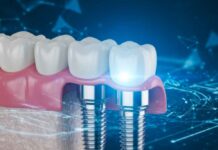
Dental implants are widely regarded as the most complete and long-lasting tooth replacement solution available in modern dentistry, and their superiority stems from a fundamental design difference: they replace both the root and the crown of a missing tooth rather than simply addressing the visible gap above the gum line. A titanium post is surgically placed into the jawbone, where it integrates with surrounding bone through a process called osseointegration, creating a stable and permanent foundation for the custom crown attached at the final stage of treatment.
The long-term benefits of dental implants include:
- Natural look and feel that is virtually indistinguishable from a natural tooth in both appearance and function
- Preservation of jawbone density through the stimulation that the implant post provides, preventing the bone resorption that follows tooth loss
- Protection of adjacent teeth by filling the gap without requiring alteration of neighboring natural teeth
- Restoration of full chewing function that allows patients to eat without restriction or discomfort
Good candidates for dental implants typically have adequate bone density, healthy gum tissue, and no uncontrolled systemic conditions that would interfere with healing and osseointegration.
Doctor Implants: Expert Implant Care That Makes the Difference
The quality of your dental implant outcome depends as much on the expertise of the provider as it does on the technology and materials used. Doctor Implants brings specialized expertise in dental implant treatment combined with advanced diagnostic technology, precise surgical technique, and a genuinely personalized patient care philosophy that guides every treatment decision. Their comprehensive range of implant solutions spans single-tooth implants, multiple-tooth implants, full-arch solutions, and implant-supported dentures, ensuring that every patient has access to the specific treatment their situation requires.
Understanding the Full Cost of Dental Implants
Dental implant costs vary depending on the number of implants, the complexity of the case, and any preparatory procedures such as bone grafting or extractions required before placement. A complete implant treatment typically includes consultation and imaging, surgical placement of the post, the abutment that connects the post to the crown, and the custom crown itself. When evaluated over the long term, dental implants consistently represent a strong financial investment compared to alternatives that require more frequent replacement and ongoing maintenance costs.
Dentures: A Proven and Accessible Tooth Replacement Solution
For patients who want to explore all available tooth replacement options, check out Fresh Dental for dentures in Winnipeg, where experienced dental professionals provide modern denture solutions that balance accessibility, aesthetics, and comfort for patients at every stage of tooth loss. Modern denture technology has improved dramatically from earlier generations of removable prosthetics, with today’s options offering significantly better fit, more natural aesthetics, and greater comfort than patients often expect.
The types of dentures available to patients today include:
- Complete dentures for patients who have lost all teeth in one or both arches, providing full coverage and restored appearance
- Partial dentures for patients with remaining natural teeth, filling gaps while preserving the function and aesthetics of the existing dentition
- Immediate dentures are placed on the same day as extraction, allowing patients to leave the dental office with a complete smile while permanent dentures are fabricated
Dentures offer a practical and accessible pathway to tooth replacement for patients whose bone density, health considerations, or budget make dental implants impractical or premature.
Implant-Supported Dentures: The Best of Both Worlds
For patients who need extensive tooth replacement but want greater stability than traditional removable dentures provide, visit Doctors Implants to explore implant-supported denture solutions that combine the coverage of full dentures with the security and bone-preserving benefits of dental implants. Implant-supported dentures address the most common complaints about conventional dentures directly:
- Elimination of movement during eating, speaking, and laughing that undermines confidence and comfort with traditional removable dentures
- Prevention of bone resorption beneath the denture through the stimulation provided by the implant posts
- Freedom from adhesives that many denture wearers find messy, inconvenient, and ultimately insufficient for reliable stability
- A more natural biting force that allows patients to enjoy a wider range of foods than traditional dentures comfortably permit
Making the Right Choice: How to Decide Between Implants and Dentures
The right tooth replacement decision is always the one made with complete information and genuine professional guidance rather than assumptions about what is or is not possible for your specific situation. Key factors that should guide the conversation with your dental professional include your current bone density, overall health status, lifestyle demands, long-term oral health goals, and budget. Asking directly about recovery timelines, maintenance requirements, and realistic long-term outcomes for each option gives you the complete picture needed to make a decision you feel genuinely confident about.
Caring for Your Tooth Replacement: Maintenance and Long-Term Success
Both dental implants and dentures require consistent care to perform well and last as long as possible. Implants are maintained much like natural teeth, with regular brushing, flossing around the implant site, and professional cleaning that keeps the surrounding gum tissue healthy. Dentures require daily removal and cleaning with appropriate denture cleaners, proper storage in water or denture solution overnight, and regular dental visits to assess fit as the underlying bone and gum tissue change over time.
Taking the First Step Toward Your Restored Smile
Tooth loss does not have to mean permanent compromise in function, appearance, or confidence. Modern dentistry offers genuinely outstanding solutions for patients at every stage of tooth loss and with every type of clinical circumstance, and the first step toward finding the right one is simply scheduling a consultation with a qualified dental professional who can assess your specific situation and guide you toward the option that will serve you best for years to come.