Six Youths Charged After Bear Spray Incident on Victoria Avenue East
THUNDER BAY — Six Thunder Bay youths are facing charges after police responded to reports of individuals using bear spray in the Victoria Avenue East area late Sunday night.
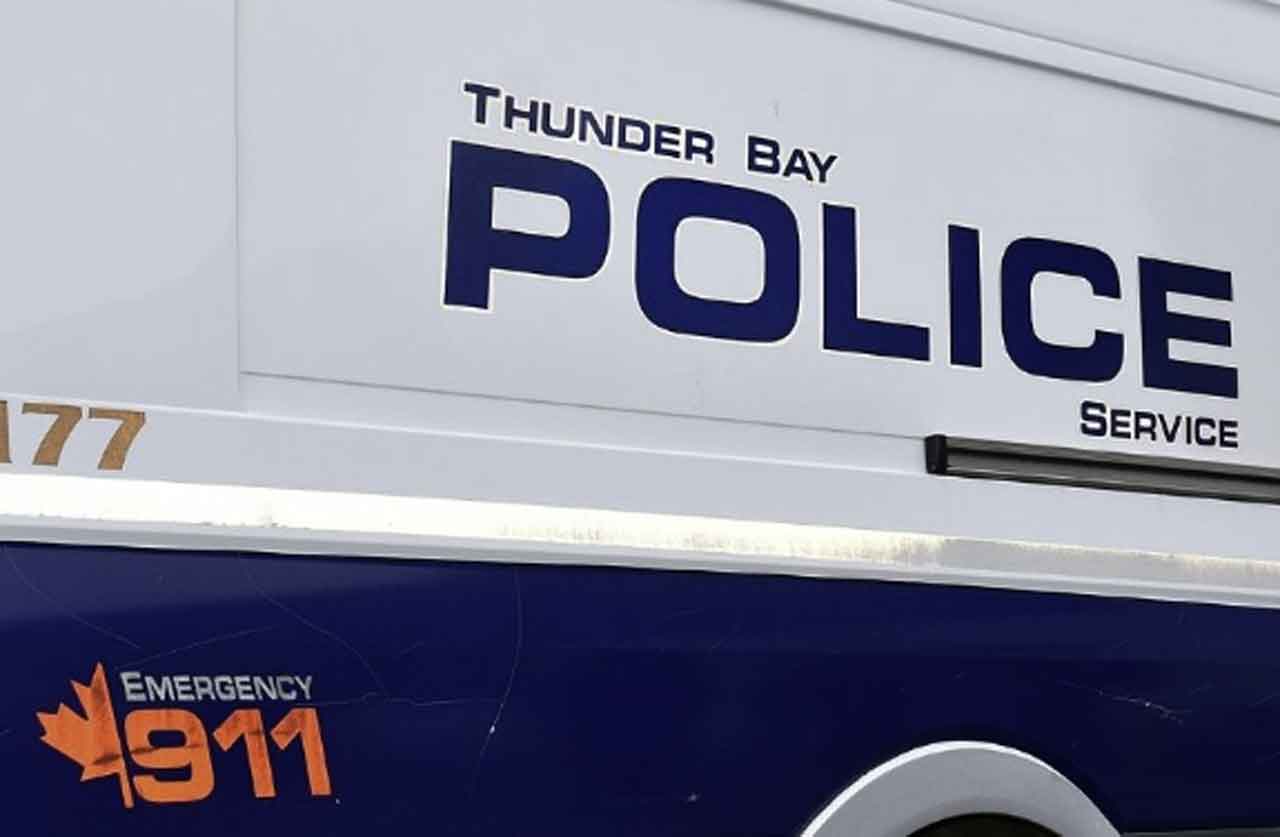
Thunder Bay Police Service says officers with the Primary Response Unit were dispatched just before 9:30 p.m. on June 29, 2026.
Two victims treated by emergency services
Police say officers located two victims at the scene. Both received treatment from emergency services, and one person was transported to a local hospital for further care.
The suspects had left the area before officers arrived. Police say a search of the area led to six suspects being located and arrested.
Six youths charged
As a result of the investigation, a 17-year-old from Thunder Bay has been charged with two counts of assault with a weapon, possession of a weapon for a dangerous purpose, pointing a firearm and failure to comply with an undertaking.
A 15-year-old from Thunder Bay has been charged with two counts of assault with a weapon and failure to comply with a release order.
A 16-year-old from Thunder Bay has been charged with two counts of assault with a weapon and failure to comply with a release order.
A 14-year-old from Thunder Bay has been charged with two counts of assault with a weapon and failure to comply with a release order.
A second 14-year-old from Thunder Bay has been charged with two counts of assault with a weapon.
A second 17-year-old from Thunder Bay has been charged with two counts of assault with a weapon.
Police say the 17-year-old facing two charges was released from custody with a future court date. The remaining accused were remanded into custody after their first court appearances.
The identities of the accused cannot be released under the Youth Criminal Justice Act.
Legal context on the charges
Assault with a weapon is addressed under section 267 of the Criminal Code of Canada. The section applies when a person, while committing an assault, carries, uses or threatens to use a weapon or imitation weapon, causes bodily harm, or chokes, suffocates or strangles the complainant. The offence can proceed by indictment, with a maximum penalty of 10 years in prison, or by summary conviction.
Possession of a weapon for a dangerous purpose is addressed under section 88 of the Criminal Code. It applies when a person carries or possesses a weapon, imitation weapon, prohibited device or ammunition for a purpose dangerous to the public peace or for the purpose of committing an offence. If prosecuted by indictment, the maximum penalty is 10 years in prison; it can also proceed by summary conviction.
Pointing a firearm is addressed under section 87 of the Criminal Code. The law applies whether the firearm is loaded or unloaded. If prosecuted by indictment, the maximum penalty is five years in prison; it can also proceed by summary conviction.
Failure to comply with release conditions is addressed under section 145 of the Criminal Code, which covers breaches of undertakings, release orders and other court-related obligations.
Depending on the subsection and how the Crown proceeds, penalties can include jail time and further restrictions on release.
Youth sentencing differs from adult sentencing
Because the accused are youths, sentencing is governed by the Youth Criminal Justice Act, not ordinary adult sentencing rules unless an adult sentence is sought and ordered in the limited circumstances allowed by law.
Youth court sentencing can include reprimands, probation, community-based conditions, deferred custody and supervision, custody and supervision orders, and intensive rehabilitative custody in more serious cases. Under the YCJA, custody is not to be used as a substitute for child protection, mental health or other social measures, and a youth court must consider reasonable alternatives before imposing custody.
The YCJA also restricts publication of information that would identify a young person dealt with under the act.
Presumption of innocence
None of the charges has been proven in court. All accused individuals are presumed innocent unless and until proven guilty in a court of law.