
Sol Mamakwa Calls for Permanent Closure of Thunder Bay District Jail
THUNDER BAY — Kiiwetinoong MPP Sol Mamakwa is renewing his call for Ontario to permanently close the aging Thunder Bay District Jail, saying the facility has failed inmates, families, staff and Indigenous communities for too long.
The call comes as the inquest into the 2020 death of Kevin Mamakwa, 27, of Kingfisher Lake First Nation, concluded in Thunder Bay this week. Kevin Mamakwa died on June 2, 2020, while in custody at the jail.
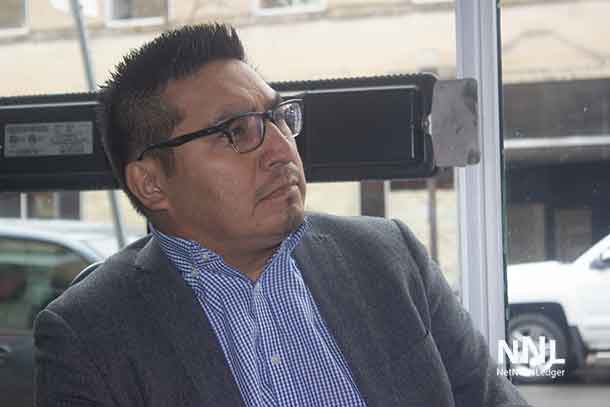
Call follows Kevin Mamakwa inquest
Mamakwa, who is Kevin Mamakwa’s uncle, told reporters the jail should have been closed after his nephew’s death. He said there have been nine deaths at the facility since 2002 and described the jail as “a death trap” that “needs to go.”
Nishnawbe Aski Nation Grand Chief Alvin Fiddler is also supporting the Mamakwa family’s call to permanently close the jail. NAN said the inquest heard evidence about limited access to appropriate care for people experiencing addictions and about conditions inside the 100-year-old facility.
Long-standing concerns over overcrowding and care
The Thunder Bay District Jail has been the subject of repeated concern from Indigenous leaders, human rights advocates and families whose loved ones have died in custody.
NAN said the Auditor General identified the facility in 2020 as the second most overcrowded jail in Ontario, far exceeding 100 per cent capacity.
This follows earlier concerns from then Ontario Human Rights Commission chief commissioner Renu Mandhane, who described conditions as dehumanizing and called for action on overcrowding, mental health supports and the needs of Indigenous inmates.
Persons who have been held in custody at the Thunder Bay District Jail report to NetNewsLedger that conditions in the jail are far below the standards. Inmate on inmate violence is a major issue, and so too is sexual assault.
For Thunder Bay and Northwestern Ontario, the issue is not only about one building.
The city’s correctional facilities hold people from across the region, including many from remote and northern First Nations. Families often face long travel distances, high costs and language or cultural barriers when trying to support relatives in custody.
New correctional complex has not ended the debate
Ontario is building the new Thunder Bay Correctional Complex, a $1.2-billion project being delivered through Infrastructure Ontario and the Ministry of the Solicitor General.
Infrastructure Ontario says the project will create a 345-bed, multi-purpose correctional facility intended to improve health, safety, security, programming, living conditions and education.
However, the new complex has not settled the future of the current jail. Recent provincial plans indicate the new Thunder Bay facility is expected to be operational in 2027, while the existing Thunder Bay Jail and Thunder Bay Correctional Centre would remain open as part of Ontario’s broader corrections-capacity expansion.
That position has drawn criticism from Mamakwa, NAN and the Mamakwa family, who argue that keeping the old jail open would extend the life of a facility they say has already caused too much harm.
The province has argued that correctional capacity remains a serious issue. Counsel for the Ministry of the Solicitor General told the inquest that closing the old jail after the new one opens could worsen overcrowding and reduce flexibility in housing inmates.
Regional impact for Indigenous communities
The debate over the Thunder Bay District Jail lands directly in the broader justice crisis facing Indigenous people in Northern Ontario. Many people held in provincial custody are on remand, meaning they have not been convicted and are awaiting trial or resolution of charges.
For remote First Nations, incarceration in Thunder Bay can separate people from family, community, Elders, language and land-based supports. Those gaps matter when inmates are also dealing with trauma, addictions, mental health needs or unstable housing.
Mamakwa’s call for closure is therefore also a call for a different approach: more treatment options, culturally grounded supports, mental health care, housing, bail and remand alternatives, and community-based justice responses. NAN has similarly urged Ontario to invest in mental health services, treatment centres and affordable housing rather than relying primarily on more jail beds.
Historical context
The Thunder Bay District Jail has been criticized for years over overcrowding and living conditions. The province first announced plans in 2017 to replace aging correctional infrastructure in Thunder Bay, and Infrastructure Ontario awarded the fixed-price contract for the new correctional complex in 2022. Construction was expected to be complete in fall 2026.
The latest call to close the jail comes six years after Kevin Mamakwa’s death and as his family, community and Indigenous leaders continue to press for accountability and prevention of future deaths.
The public verdict and recommendations from the inquest are expected to be posted through the coroner’s inquest process. The inquest page states the proceeding concluded June 11.
Anyone requiring emotional support can contact NAN Hope at 1-844-NAN-HOPE.
META: Sol Mamakwa renews call to permanently close Thunder Bay District Jail after inquest.
TAGS: Sol Mamakwa, Thunder Bay District Jail, Kevin Mamakwa, Nishnawbe Aski Nation, Alvin Fiddler, Thunder Bay, Northwestern Ontario, Indigenous justice, Ontario corrections, Kingfisher Lake First Nation