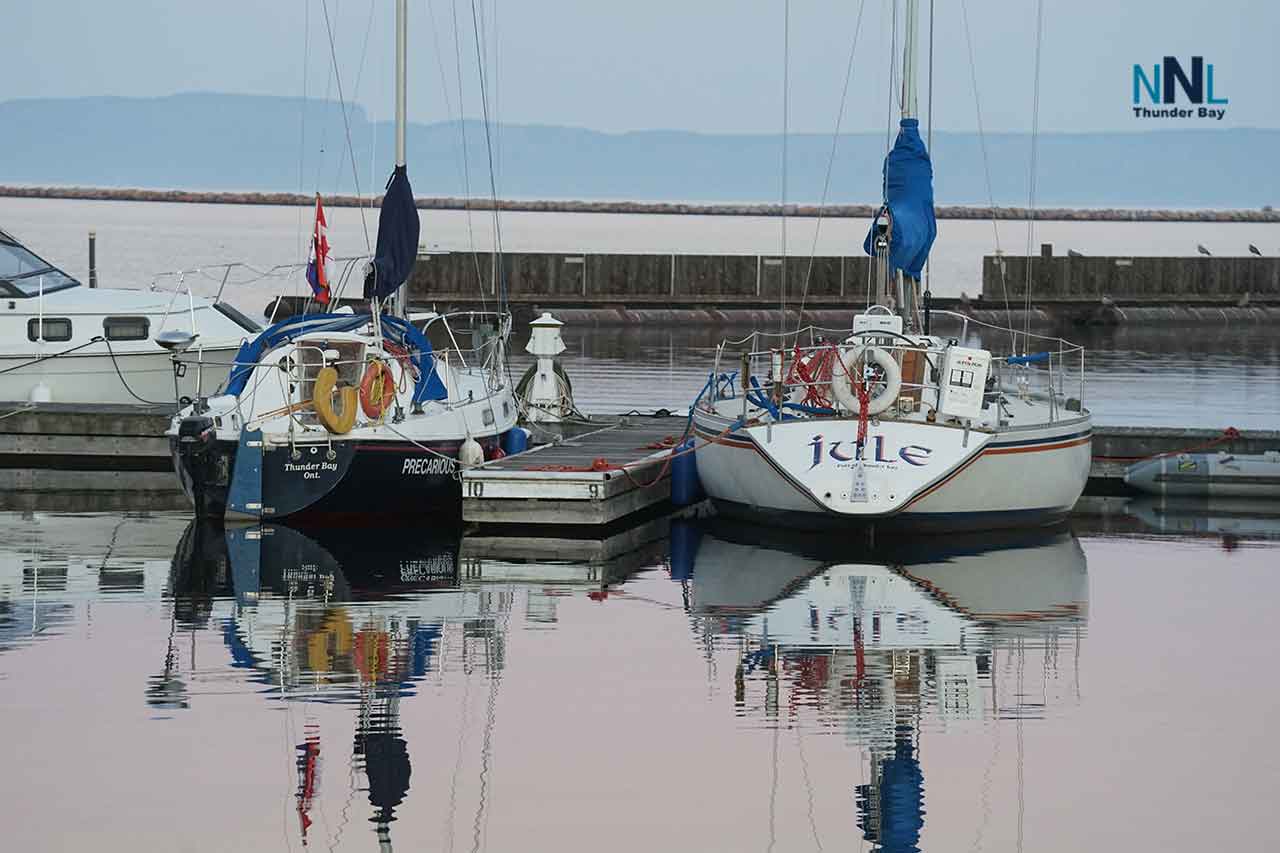
There has been a debate regarding choosing between gas and electric outboards for tenders. Choosing the right one for your yacht is an important decision. Both options have their own pros and cons. Demand for every boater varies, and so do the outboards.
Here are the key things you need to know about both variants to make an informed decision.
All about electric outboards – The advantages
If you are a coastal cruiser doing short runs, an electrical outboard is a good choice. This engine enables quiet, smooth cruising between anchorage and shore, from marina to dock, from dinghy to yacht, and back.
- Electric outboards run silently. There is no vibration, no exhaust smell, and no waking up neighboring boats early in the morning when you go to the farmer’s market. You can anchor in a quiet bay and maintain the quietness while doing your chores with an electric outboard.
- There are other practical advantages of these electric outboard enginesas well. There is no need for fuel runs. You can charge the engine at the marina. Some of these have solar panels mounted on the boat, and charging happens even while sailing. You don’t need to carry any fuel.
- Moreover, these engines start instantly. You have to push a button to start the engine. That’s all. You can store these electric motors safely indoors in cabins, lockers, and even RVs. Last but not least, these engines are practically zero maintenance. You don’t have to clean or flush the carburetor after saltwater use. There are no spark plugs or impellers, either.
The disadvantages
- The majority of electric outboards in the 500W to 1100W class and medium price range are built for displacement speeds. If you are sailing between 3 and 6 knots, it is fine.
- Never run an electric outboard at full power. It impacts the battery life adversely. Pushing the engine hard only causes more problems. It is best to cruise at half throttle.
Everything about gas outboards – The advantages
Gas outboards deliver raw, reliable power. If you are anchored quite a few miles offshore, or carrying heavy loads, a gas motor is a great choice.
- A modest gas engine can push a small inflatable onto a plane, whereas electric motors in the same class cannot.
- Gas engines have a large global service network so that you can find mechanics and spare parts almost everywhere. The one thing that people often forget is the rising cost of gas.
The disadvantages
- You can smell the fuel everywhere – in the cabin, boat locker, and even on your hands. If the motor remains unused or gets flooded, starting can be a big problem. These engines require regular cleaning and maintenance.
- Also, their storage is an issue, as the engine is inflammable with the fuel inside.
Summing it up
Choosing the right engine type depends on the boat’s actual use. If you cannot decide for yourself, seek professional assistance to make the right choice. Professionals from companies like furthercustoms.com can guide you on choosing the suitable engine.