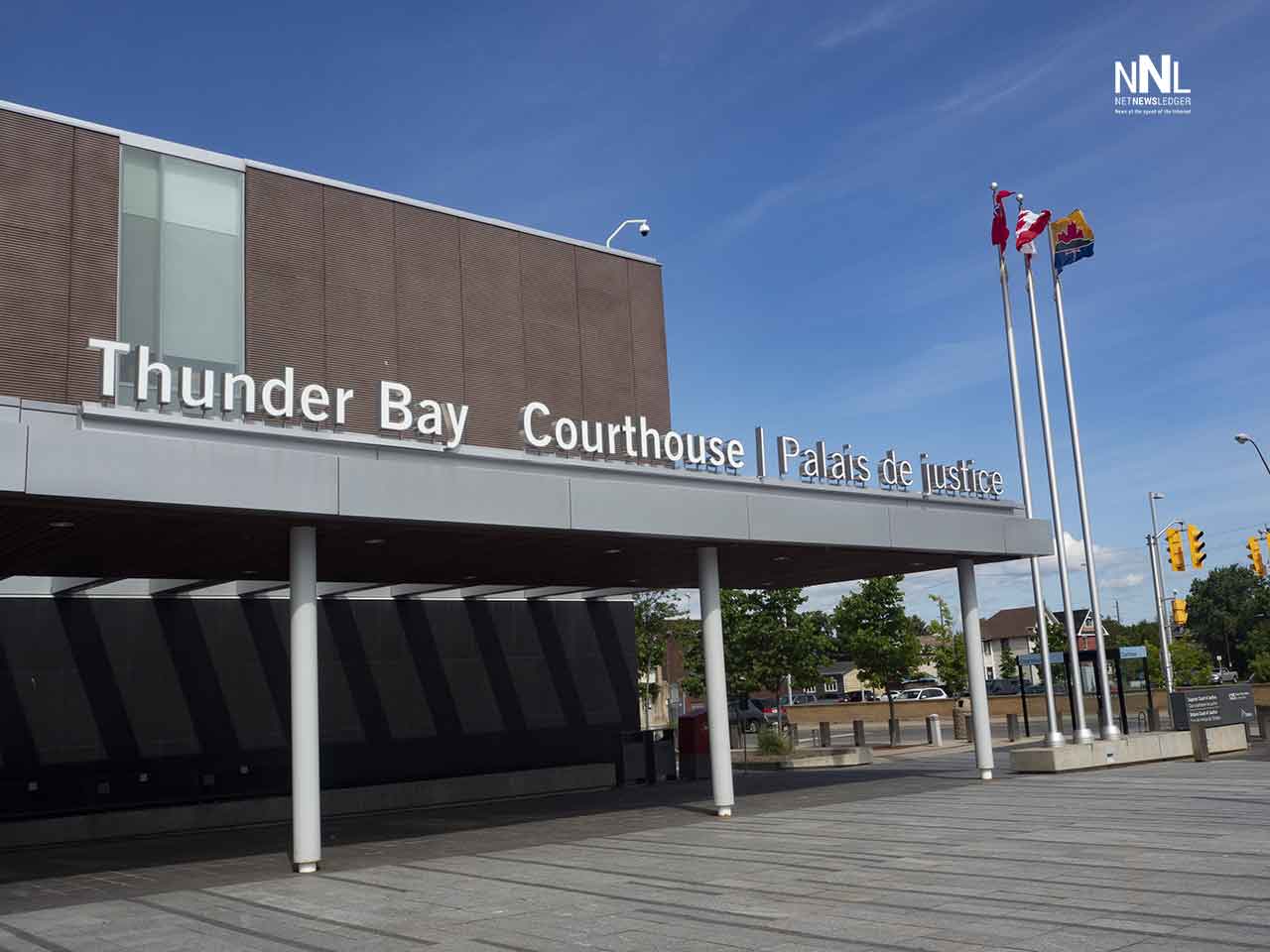
How bail works in Ontario: the legal process, when release gets harder and what a surety must do
THUNDER BAY – LEGAL – In Ontario, “bail” is the everyday term for judicial interim release — the process that decides whether a person charged with a criminal offence will be released while their case moves through court.
The law is federal, found mainly in the Criminal Code and the Charter, but it is applied day to day in Ontario courts. The starting point is that an accused person has a constitutional right to reasonable bail and a timely bail hearing; release is the rule and detention is the exception unless the law justifies custody.
For readers in Thunder Bay and Northwestern Ontario, bail issues often matter immediately and practically: whether someone stays in custody can affect housing, employment, family care, travel to court and whether a friend or relative can realistically supervise the accused before trial.
That local impact is an inference from how release conditions and surety duties work in Ontario.
For many people in Thunder Bay it can often appear that the courts are simply releasing people on bail despite the possible danger to the community.
The basic bail process in Ontario
A criminal case may begin with a summons, an appearance notice, an undertaking from police, or an arrest followed by detention for a bail hearing. If police do not release the accused, the person must be brought before a justice without unreasonable delay and, if a justice is available, within 24 hours of arrest. Ontario’s courts say weekend and holiday bail courts exist so that hearings can still happen within that time frame.
Police can release many accused people before any court hearing, usually by appearance notice or undertaking.
But that police-release power does not apply to section 469 offences, and police must also keep a person in custody if detention is needed in the public interest or to ensure the person will attend court. In Ontario Court of Justice bail court, a judge or justice of the peace then decides whether the accused will be released or detained.
At the bail hearing, the court works from a “least onerous” approach. Section 515 says a justice should release the accused without conditions unless the prosecution shows cause for detention or for a more restrictive form of release. If conditions or a surety are imposed, the Criminal Code says the court must move up the ladder only as far as necessary. The Code also says a surety requirement must be the least onerous form of release possible in the circumstances.
A court can deny bail only on one or more of three grounds in section 515(10): to ensure the accused attends court, to protect public safety or prevent interference with justice, or to maintain confidence in the administration of justice. On that third ground, the court may look at the apparent strength of the Crown’s case, the gravity of the offence, how it was allegedly committed and the possibility of a lengthy prison sentence if convicted.
If the accused is detained, there is still a path to review. In general, a person denied bail can apply to a Superior Court judge for a bail review before trial, with notice to the Crown. Ontario’s Superior Court says that can be used both after a detention order and when an accused wants existing bail terms changed.
Are there charges where bail is not allowed?
Not in the simple sense many people assume. In Ontario and across Canada, there is not a general list of charges for which pretrial bail is absolutely impossible. Even very serious charges can still be the subject of a bail application. But some charges are treated much more strictly, and some can only be handled by a Superior Court judge.
The clearest example is the group of offences listed in section 469 of the Criminal Code.
That list includes murder, treason, certain piracy and seditious offences, bribery by a judicial office-holder, certain crimes against humanity or war crimes offences, and being an accessory after the fact to murder or treason.
When a person charged with a section 469 offence is first taken before a justice, the justice must order detention. Release, if any, can only be granted later by a Superior Court judge in the province, and the accused must show cause why detention is not justified. So bail is not automatically barred, but the process is stricter and the onus shifts to the accused.
Outside section 469, many charges still trigger a reverse-onus bail hearing under section 515(6). In those cases, the accused — not the Crown — must show why detention is not justified. The reverse-onus list includes, among other things, indictable offences allegedly committed while already on release for another indictable offence, certain criminal-organization and terrorism offences, several firearms offences, repeat intimate-partner-violence situations, some serious violent weapon offences by recent repeat offenders, breach-type offences committed while on release, and certain life-maximum drug trafficking offences under the Controlled Drugs and Substances Act.
What happens if someone on bail breaks the rules?
If a person on bail does not follow the conditions of release, the consequences can be immediate and serious. Ontario Court of Justice explains that a person who fails to attend court or breaches a bail condition may be arrested, held in custody and charged with additional offences. Section 145 of the Criminal Code makes it an offence to fail to attend court as required by a release order or to fail to comply with a release condition without lawful excuse. Those offences can be prosecuted by indictment, with a maximum of two years in jail, or by summary conviction.
A breach can also put the original release itself at risk. Under section 524, the Crown can ask the court to cancel the summons, appearance notice, undertaking or release order if the accused has contravened it or if there are reasonable grounds to believe the accused committed an indictable offence while on release. If the order is cancelled, the judge or justice must detain the accused unless the accused shows cause why detention is not justified. In real terms, that means a breach can lead to re-arrest, a tougher bail hearing and a much harder path back to release.
There can also be financial consequences. If the release order includes money promised or deposited by the accused or a surety, the court can start forfeiture proceedings. The Criminal Code requires notice of a forfeiture hearing at least 10 days in advance, and the judge may order all, part or none of the pledged amount to be forfeited. Ontario also warns that further legal action may be taken to collect the money.
What are the legal requirements for a surety?
A surety is the person who agrees to supervise the accused in the community and help ensure the accused comes to court and obeys the bail conditions. In Ontario, that person usually is a friend or relative, but the law does not require a family relationship. The surety takes on a real legal obligation and a financial risk.
The Criminal Code sets out the formal requirements in section 515.1. Before a court names a particular person as a surety, that person must normally give a signed declaration under oath, solemn declaration or affirmation. The declaration must include the surety’s name, date of birth and contact information; information showing they are suitable, including financial information; their relationship to the accused; the identity of any other accused for whom they already act as surety; their acknowledgment of the accused’s charge, other outstanding charges and criminal record if any; the amount they are willing to promise or deposit; confirmation that they understand the role and accept it voluntarily; and a description of their own criminal record and any outstanding charges.
Beyond that paperwork, Ontario says the judge or justice of the peace decides whether the proposed surety is suitable by looking at the person’s financial means, personal character, background, including criminal record or outstanding charges, and ability to supervise. A proposed surety may have to testify and be questioned in court about those qualifications. Ontario also states that it is against the law to accept a fee or be paid back for acting as a surety.
If accepted, the surety signs the release order and pledges a specified amount of money. The surety’s job continues until the case ends or the court formally releases the surety from the obligation. Ontario says a surety can ask the court to be relieved of those duties, and if the accused later breaches the order, the surety may have to explain why the pledged money should not be lost.
Bottom line
Ontario’s bail system is built around a presumption of release, but that presumption weakens when the charge is especially serious, when reverse onus applies, or when an accused has already breached court orders.
There are not many true “no-bail” offences in the absolute sense, but section 469 charges such as murder come close in practice because only a Superior Court judge can grant release and the accused must persuade the court to do so.
For anyone facing an active criminal case, bail law is technical and fact-specific enough that legal advice is important right away.