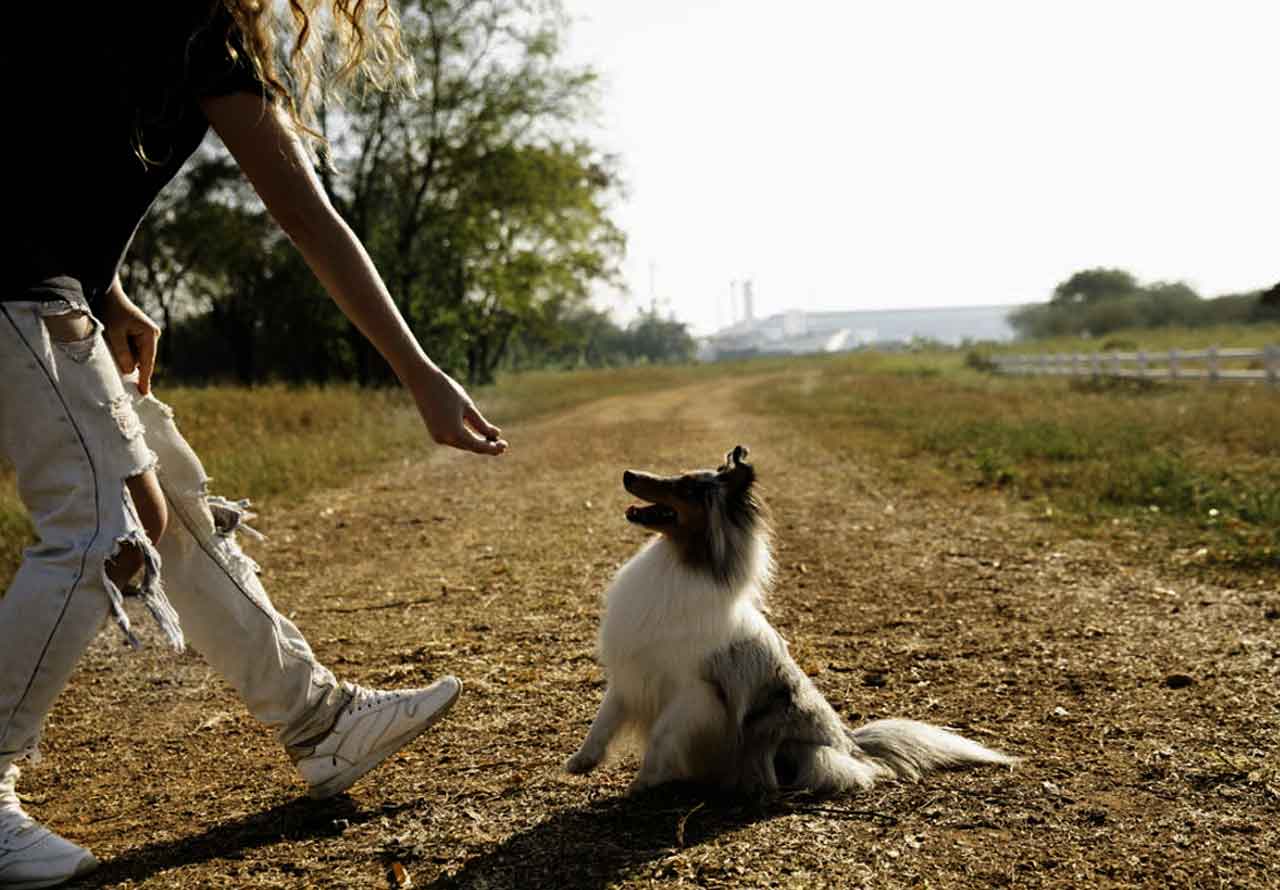
THUNDER BAY – LIVING – For many dog owners, particularly urban dwellers without access to private open spaces, daily trips to the local off-leash dog park are a staple of their routine. While these spaces can be a wonderful resource, they are not without significant risks. Understanding the positives and negatives of off-leash dog parks is essential for keeping your furry friend safe, healthy, and happy.
Thunder Bay has several off leash areas, including: Centennial Park Off-Leash Park located east of the main park. This area features numerous pathways, access to the Current River, and is a good challenge walk, with loops of just over one kilometre.
Port Arthur Dog Park located by Port Arthur Stadium, this park is popular, as it has sheltered old baseball dugouts for pet owners. It has agility training as well.
The Hillyard Lands is a hidden gem. It offers a 3.5 acre area with a one kilometre distance for your dog to get that run needed to burn off excess energy.
The Neebing Playfield is also popular. Located on the corner of Neebing Avenue and Mary Street West. This site is approximately 1 acre and is bounded by chain-link fence
The Positives of Dog Parks
Exceptional Exercise and Fitness Dog parks provide incredible benefits for canine physical fitness. The open space allows dogs to run, jump, and burn off excess energy in ways that standard leash walks simply cannot accommodate.
Opportunities for Socialization These parks are prime environments for social development.
Domestic dogs are highly social animals capable of forming complex, self-organizing social systems with their peers.
When interacting off-leash, dogs use a sophisticated language of non-threat signals to mutually orient themselves, resolve conflicts, and maintain peaceful relationships. A well-managed dog park allows dogs to practice these communication skills, learn from older dogs, and form cooperative play relationship.
A Fun, Community Experience When all visitors understand and follow the rules, a dog park can be an incredibly fun and social event for both dogs and their human companions. It provides a dedicated space where dogs can just be dogs, interacting freely without the constraints of a leash.
The Negatives and Hidden Dangers
High Risk of Physical Injuries The same high-energy play that provides great exercise can also lead to severe injuries.
Torn ACLs (cranial cruciate ligament tears) are one of the most serious and expensive dog park injuries, often caused when dogs make sudden stops or sharp turns during high-speed chase games.
High-impact activities like jumping and wrestling can also lead to muscle strains, joint damage, and sprains. Furthermore, rough surfaces like gravel, hot asphalt, or splintered wood chips can cause painful paw pad abrasions and lacerations.
Bite Wounds and Behavioral Conflicts Even playful interactions can escalate. Most bite wounds at dog parks happen when play becomes too intense, when there are significant size mismatches between dogs, or when dogs lack proper bite inhibition.
Bringing toys or treats into the park can trigger resource guarding and possessiveness, leading to preventable fights.
If a dogfight does break out, owners are at risk too; humans who try to physically intervene are often bitten because highly stressed dogs may act on primal instinct and fail to recognize their owner’s hand.
The Spread of Infectious Diseases Dog parks concentrate many dogs in shared spaces, creating an environment where infectious diseases can spread rapidly.
Canine parvovirus, distemper, and kennel cough (Bordetella) are highly contagious and easily transmitted through airborne droplets, direct contact, contaminated surfaces, or shared water sources.
If a park has poor drainage, there is also a risk of leptospirosis from standing water contaminated by wildlife.
Dangerous for Puppies and Small Dogs While socialization is vital for young dogs, puppies under four to six months old should never be brought to a dog park.
Puppies are highly impressionable during this critical socialization period, and a traumatic experience—such as being bullied or rushed by a large group of dogs—can cause lasting behavioral damage and fear.
Furthermore, puppies do not have full vaccine immunity until 7 to 10 days after their final core shots (around 16-20 weeks of age), meaning exposure to a park could be fatal. Small dogs also face immense risks; a normal play action or body slam from a large dog can severely injure or even crush a small dog.
Environmental Hazards and Heatstroke Dog parks are typically exposed to the elements. Running and playing in hot, humid weather can easily lead to heatstroke, a life-threatening condition.
Dogs are inefficient at dissipating body heat, and when ambient temperatures are high, vigorous exercise can quickly overwhelm their system, especially if they are overweight, out of shape, or lack access to shade and fresh water.
Unpredictable Owners Finally, you cannot control the environment or the other humans at the park. Many patrons are responsible, but it only takes a few distracted owners staring at their phones or bringing aggressive dogs to turn a fun outing into a dangerous situation.
The Bottom Line
Off-leash dog parks can be highly rewarding, but they require vigilance. To maximize the positives and minimize the negatives, ensure your dog is fully vaccinated and protected against fleas and ticks. Leave toys and treats at home, monitor your dog’s play closely, enforce rest breaks to prevent overexertion, and never hesitate to leave if the environment becomes unsafe or if your dog appears stressed