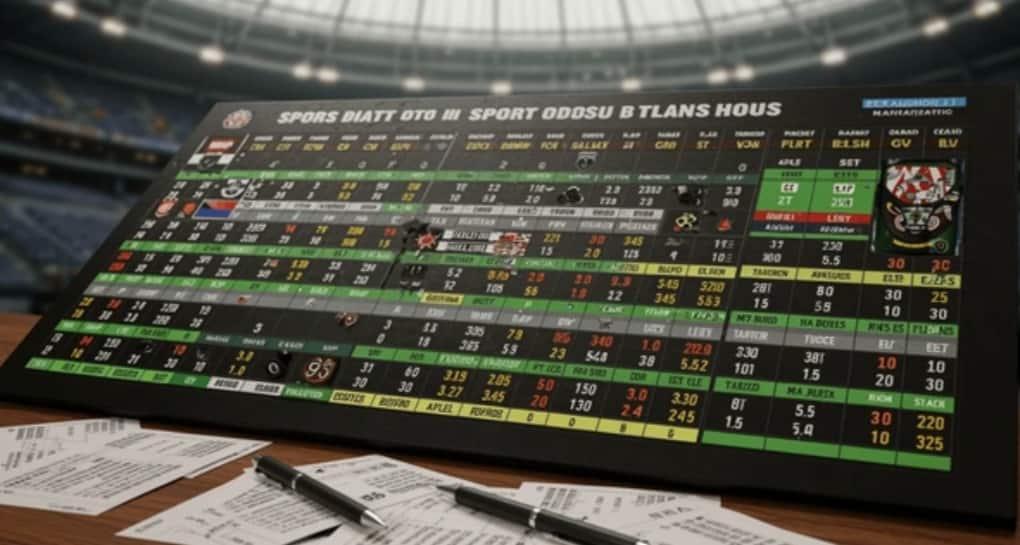
First sight of betting odds might seem messy – but clean logic hides underneath. They reveal just two ideas: what could happen, plus the money you get back if it does. When the figures start making sense, choices slow down, become steadier. Here’s how different formats work, some actual cases, along with quiet strategies that guard your wallet without killing the thrill.
What Betting Odds Reveal
At its core, sports betting is a numbers game driven by calculated risk and statistical insight. What you see in odds is just probability turned into figures, and platforms like bizbet giriş let users explore these numbers in a live casino online environment. Payout hints hide inside those same digits, tied to every dollar placed. Data models feed the starting lines, but crowds shift them once bets roll in. Team patterns matter, so do individual records and who’s sidelined hurt. Movement follows cash; when wallets open, adjustments follow close behind.
A slice of every wager goes straight to the bookmaker. Over time, that small cut adds up into steady gains for them. Studies reveal typical edges range from four to ten percent across events. Gamblers face odds already tilted before they even place a stake. Seeing how numbers lean explains why consistent wins stay rare.
Around the world, most wagers show up in one of three ways. These setups appear again and again on betting platforms everywhere. Not every system sticks – just these three keep rising to the top
- Decimal odds
- Fractional odds
- American odds
Decimal Odds Explained
Here’s how decimal odds work. Some casino platforms, especially when offering a bizbet bonus, make these numbers even more appealing, showing exactly what comes back per dollar risked. Think of 2.00 like a mirror – it gives back twice what went in. Put ten on the line, get twenty straight back. Simple math, clear outcome.
A figure like 1.50 turns 10 units into 15. That leaves a gain of five. Math here does not twist around corners. Take your amount, then run it through the multiplier shown.
One way to get implied chance? Take 1 divided by the decimal odds. When you see 2.00, that’s a fifty-fifty shot. An odd set at 1.25 means it suggests eight out of ten times it happens. Crunching these numbers makes spotting worth easier.
Decimal odds appear on lots of today’s sites – clean, straightforward. For newcomers, understanding takes less time compared to alternatives.
Fractional And American Odds
Fractional odds tell how much you gain compared to what you put down. If the numbers read 5/1, every single unit risked brings five back on top. Toss in ten units, walk away with fifty extra. All together now, that pile reaches sixty.
Here is how American odds work. A plus sign tells you what you gain if you bet 100. For example, +150 means a 100 bet earns 150 in profit. On the flip side, minus values reveal how much you must risk to earn 100. So -200 means placing 200 just to win 100.
Mixing formats makes sense when numbers line up. Decimal 2.50 matches fractional 3/2 along with American +150. When switching between them becomes routine, odds grids seem simpler. Seeing patterns helps clear the clutter.
Reading Probability Like Someone Who Knows It
Folks see odds as a hint of what might occur. Yet they never promise how things will turn out. Take a squad listed at 1.20 – roughly an 83% chance baked in. Even so, surprises pop up when leagues stay tight.
A sharp punter lines up the odds they see against what the numbers say. When their take hits 60 percent but the board only shows 50, room opens up. That gap? It’s where profit hides.
Truth sits in the numbers. When top teams open under 1.30 odds, they take the match roughly three out of four times. Reality doesn’t always follow clean patterns though. Choices shaped by stats often beat gut reactions.
Beyond just noting wins, watching outcomes uncovers hidden habits. A basic sheet, filled each time, slowly shapes consistency. Write down how much you risked, what price was taken, whether it paid off – then step back at one hundred plays to see shifts form.
Bankroll Management Is The Key
Most folks miss the point if they ignore discipline. Wagering works best as fun, never a paycheck. Over time, casinos hold the upper hand because of built-in edges.
Start with a set amount you’re willing to lose. Seasoned players often stake between one and three out of every hundred. If your total is a thousand, each bet stays between ten and thirty. Losses hurt less when bets stay small and steady.
Responsible gaming protects financial health:
- Set deposit limits
- Take regular breaks
- Avoid chasing losses
- Track every bet placed
Most people who place bets now and then walk away with less cash than they started with. Facing that truth helps prevent disappointment later. Think of each stake more like paying for a seat at a concert.