DNA linked four grizzlies to the fatal Bella Coola attack. The bears were killed as the Nuxalk Nation supports a grieving community
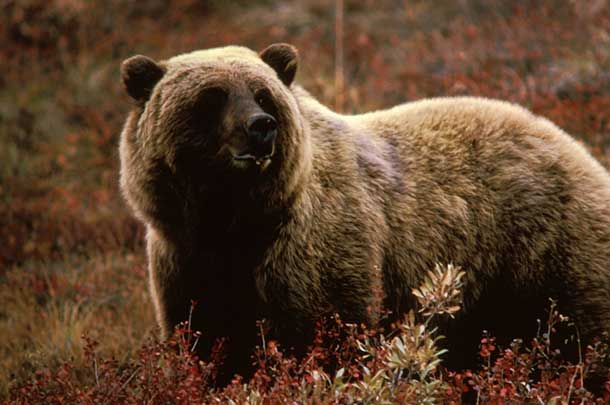
BELLA COOLA, B.C. – National News Service – DNA testing has linked a female grizzly and her three yearling cubs to the deaths of a mother and adult daughter near Bella Coola, B.C., conservation officers say. All four bears were killed because officials considered them an extreme public-safety risk.
The B.C. Conservation Officer Service said evidence indicates the early-November attack was likely predatory, a rare finding in a fatal bear encounter. Investigators have not said how the encounter began.
The remains of Jenny Balcarras, 48, and her daughter Selah Reed, 20, were found near a trail outside Bella Coola after relatives reported them missing. The deaths and the details of the search have caused fresh trauma in the Nuxalk Nation and the wider community.
Elected Chief Councillor Tlhmtimut Samuel Schooner said the community is still recovering from a separate grizzly attack last year. The Nation has kept support services available and took temporary safety measures, including a voluntary curfew and police escorts for children.
The service says DNA showed the four bears were not involved in the November 2025 attack on a school group in the same area. That earlier bear was not captured. Eleven people were injured in that event, including two critically.
The distinction matters because early concern focused on whether the same animal had attacked again. The forensic result closes that part of the investigation but does not explain why a mother and cubs engaged in behaviour officers described as predatory.
Conservation officers said relocation or rehabilitation was not considered safe for animals involved in a fatal attack. The decision will still draw public attention in a region where grizzlies are common and human-bear safety depends on local knowledge, reporting and careful management.
The immediate public-safety threat from the four captured bears has ended, officials say. Community recovery will take longer. Coverage should avoid graphic detail and speculation about the victims’ actions, and public-safety advice should come from the Nuxalk Nation or responsible wildlife authorities.