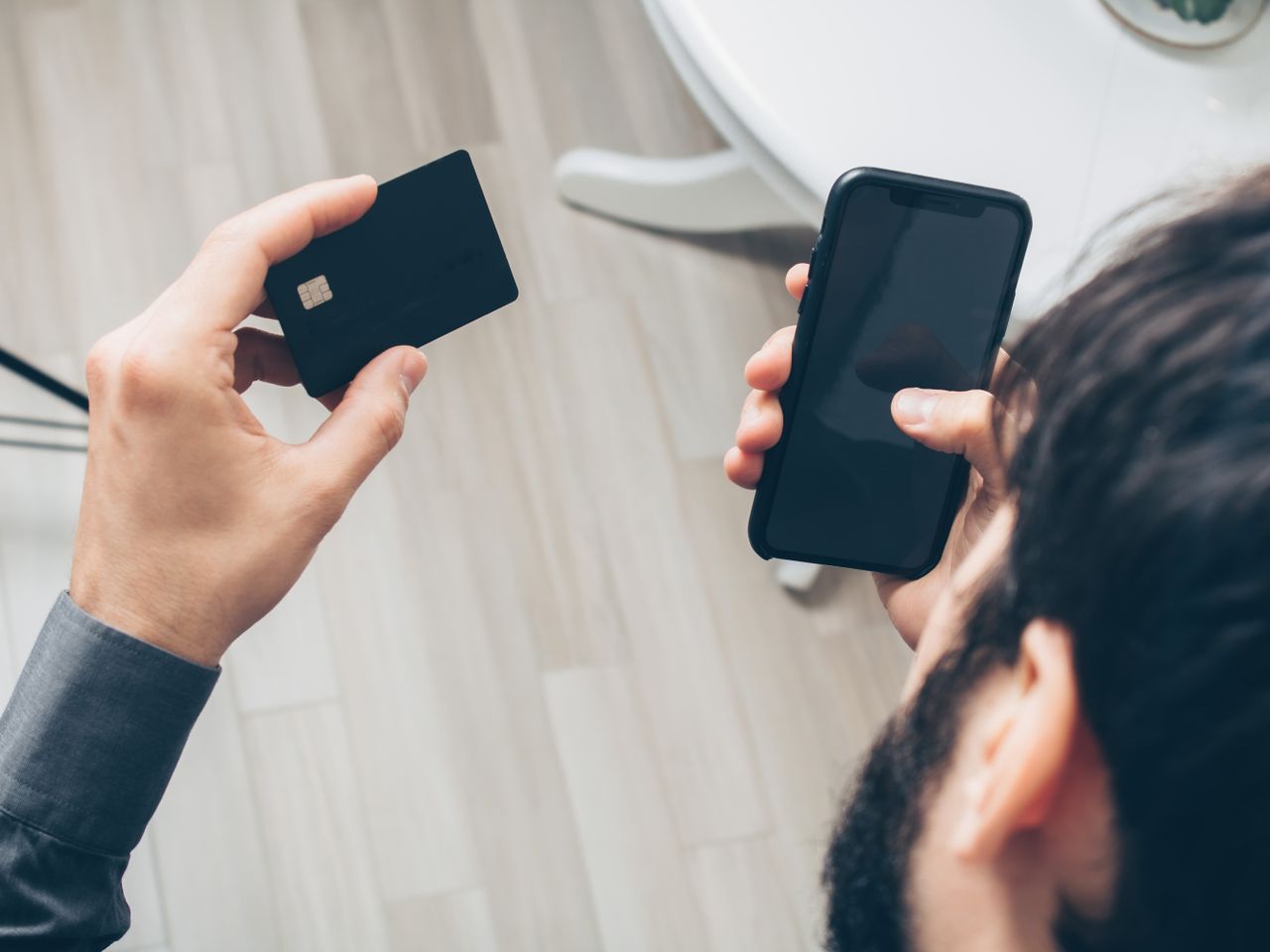
Privacy-first online payment habits are best understood as a change in checkout design, rather than proof of a newly documented consumer shift. The practical development is the option to separate a merchant checkout from a shopper’s primary bank-card credential through a third-party payment route or prepaid code. It reframes payment choice as a decision about data sharing. This distinction matters because online purchases can connect payment data with other personal information collected around a transaction.
This approach can limit direct sharing of primary card details with a participating merchant, yet it does not promise anonymity or erase other data collection. For a prepaid code that can be used at participating merchant checkouts without sharing a bank card directly with that merchant, readers can Buy Flexepin through Refilled, with the code sent digitally.
The practical change at checkout
An ordinary card payment normally requires card details to move among the retailer, its processor, and other parties involved in authorization and processing. The wider purchase record can also involve a card issuer or payment network, while purchase details may be combined with account, device, location, browsing, or loyalty information. Canadian privacy guidance identifies names, email addresses, IP addresses, purchases, spending habits, banking information, and card data as personal information relevant to commercial transactions.
This is why a payment alternative is useful as a targeted privacy habit. A third-party service can keep card details from being supplied directly to the retailer, though the service’s own collection, use, and sharing practices still deserve review. The merchant may still request an email address, maintain an account, record an IP address, or retain purchase history. Privacy remains a layered outcome across the full transaction.
Canadian private-sector guidance recommends checking what an organization collects, why it collects it, how it uses that information, and if it shares information with other parties. That review belongs before choosing any payment route, since privacy policies and terms can explain retention practices and identity-verification rules.
People can buy digital gift cards, mobile top-ups, and prepaid vouchers through official brand stores or dedicated online platforms. Refilled is an online destination for prepaid vouchers, mobile top-ups, and digital gift cards, with codes sent digitally and prepaid payment without supplying a bank card directly to a participating merchant.
A routine for layered privacy
A prepaid voucher brings this approach into a routine purchase or subscription plan. Flexepin uses a unique 16-digit PIN at authorised or participating merchants, giving the merchant a separate prepaid payment credential rather than a primary credit or debit card. Because the voucher is prepaid, a shopper can choose a defined amount for an intended purchase or subscription budget. It does not remove account requirements or other information collection.
Careful selection is part of the routine. Before purchase and redemption, confirm merchant acceptance, region, currency, operator where relevant, and subscription compatibility. Successful redemption is generally irreversible, and a redeemed PIN cannot be reused. Voucher validity and post-expiry charges can depend on use-by dates and terms, so a planned use is preferable to holding a code without reviewing conditions.
Going forward, the useful direction is not a claim of total privacy. It is a checkout routine that considers the card credential, merchant policy, and data collected around the purchase before payment. The platform can also be a convenient place to keep a phone topped up for yourself or someone far away, alongside digital gift cards and prepaid vouchers. Selecting the matching operator, region, and intended use keeps that choice practical.