Treaty #3 is launching a year-long pilot to plan a regional food hub with all 28 First Nations
The planning pilot will map traditional and local food systems, test possible sites and build a business and governance plan with all 28 First Nations
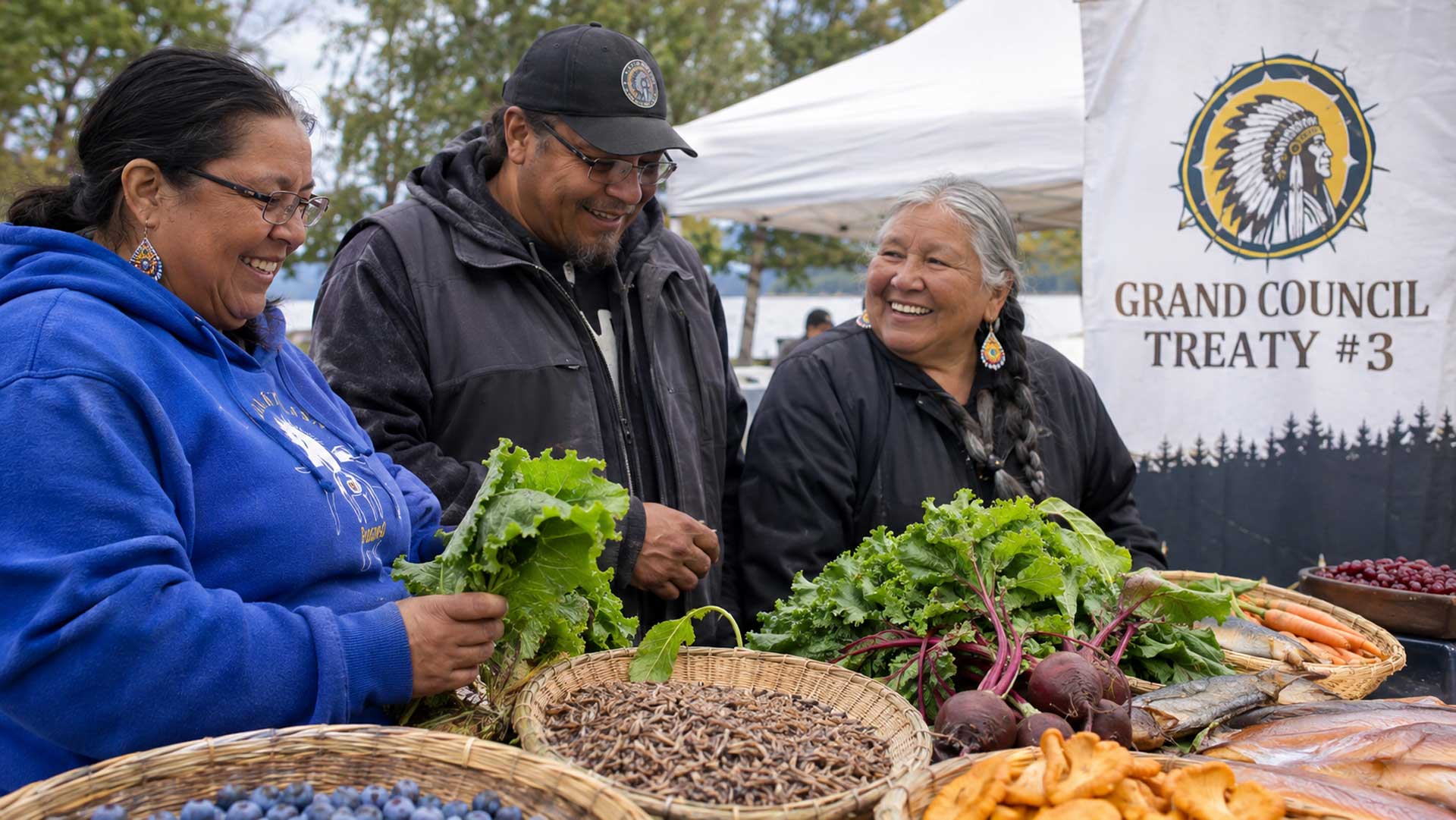
KENORA — Grand Council Treaty #3 is seeking a consultant to lay the groundwork for the first regional Treaty #3 food hub, a year-long planning project intended to strengthen access to locally produced and traditional foods across the Anishinaabe Nation in Treaty #3.
The request for proposals, posted this week, sets a Nov. 20 deadline and caps professional fees at $150,000. The successful applicant is expected to work from November 2026 to November 2027 with all 28 Treaty #3 First Nations.
The work is broader than choosing a building. Grand Council Treaty #3 wants an inventory of existing gardens, harvesting activities, agricultural projects and food programs, along with a map of producers, distribution routes and gaps in cold storage, processing and transportation.
The consultant will organize four regional engagement sessions and three knowledge-sharing gatherings involving communities, Elders, Knowledge Keepers, Chiefs, economic development officers, harvesters, farmers, producers, youth and food entrepreneurs.
The assignment also calls for site visits and an assessment of possible food-hub locations based on land, infrastructure, access, transportation, environmental sustainability and climate resilience. Preliminary facility concepts are to consider food-processing areas, cold and dry storage, a community kitchen, training space and distribution functions.
Governance will be a central part of the study. The successful proponent must examine ownership options, decision-making structures, accountability and community participation, then produce a business plan and financial-sustainability plan covering staffing, equipment, training, food safety, revenue and future capital needs.
Grand Council Treaty #3 says the work will be community-driven, culturally grounded and guided by Anishinaabe knowledge, values and Manito Aki Inaakonigewin. Its stated goals include improving food access, supporting entrepreneurs and creating a long-term economic opportunity for Treaty #3 communities.
The posting does not announce construction funding or commit Grand Council Treaty #3 to a final location. The pilot is designed to establish the evidence, community direction and operating model needed for a later implementation decision.
Proposals are due electronically by Nov. 20. Grand Council Treaty #3 says experience working with First Nations is expected, while experience in Treaty #3 is preferred but not mandatory.