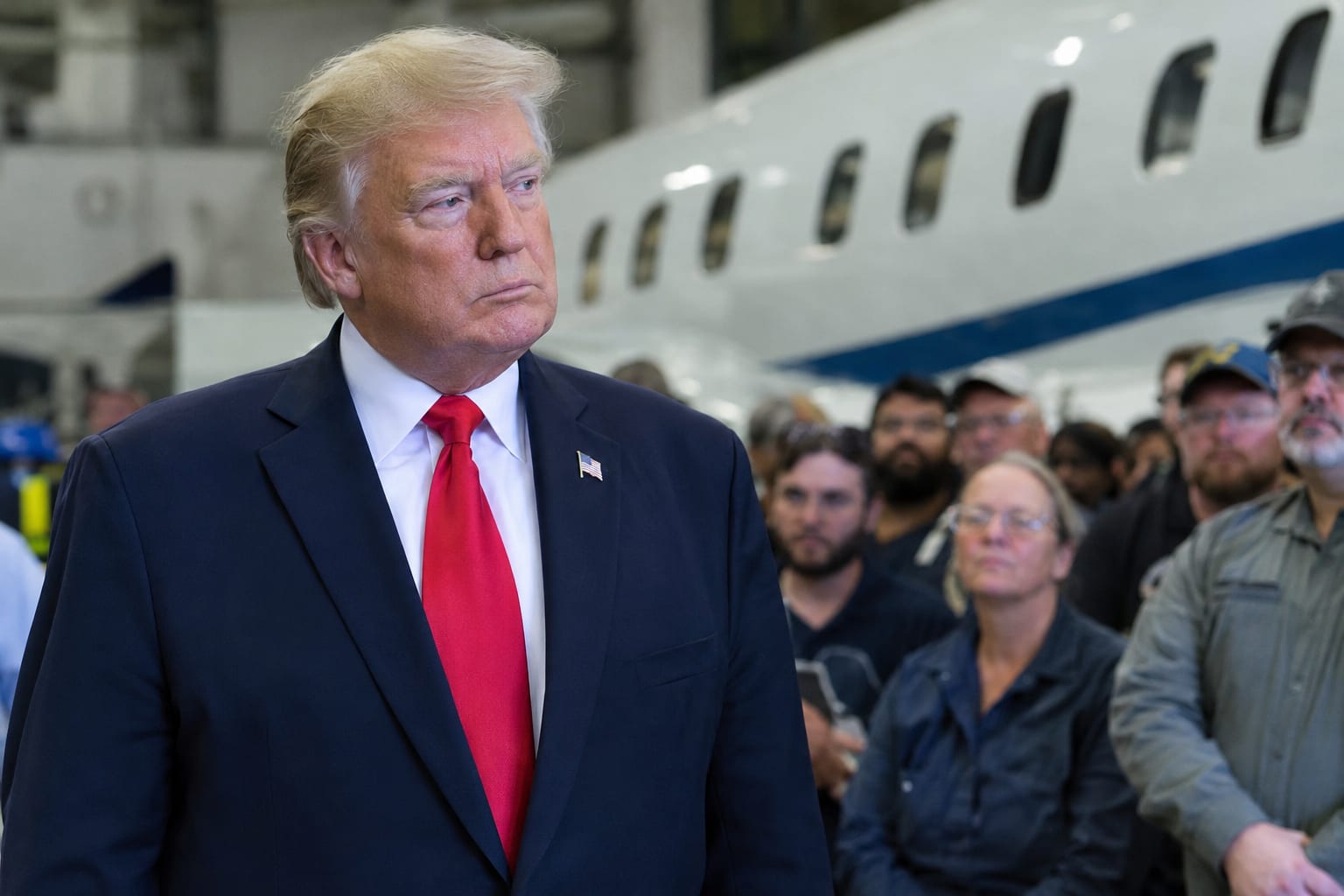
U.S. voters choose a new Congress today as tariffs and Canada-U.S. trade tensions raise the stakes for Canadian jobs
OTTAWA — National Politics – Americans vote today for every seat in the U.S. House of Representatives and roughly one-third of the Senate, an election with direct consequences for Canada as Ottawa and Washington try to reopen a path through a damaging tariff fight.
The ballot will determine which party controls each chamber of Congress for the next two years.
If the projected polling is accurate, President Donald Trump will enter what is effectively a lame duck status as a Democratic Congress and Senate is likely to not pass any Republican legislation.
Trump is already musing that he will become the “Veto President” if the Democrats take charge.
A change in control could intensify oversight of President Donald Trump’s trade policy, alter the legislative agenda and give opponents of the tariffs more leverage. It would not, by itself, remove duties on Canadian goods or produce a Canada-U.S. agreement.
Trade talks have restarted, but no deal is settled
Prime Minister Mark Carney said Sunday that Canadian and U.S. teams would work in the coming weeks toward an agreement after he spoke with Trump. The U.S. president later said the two countries had the concept of a deal, but neither government released a joint text, a timetable or settled terms.
The election arrives after tariff pressure became a campaign issue in border states. Reporting by The Associated Press has highlighted Senate contests in Michigan and Maine, where the economic effects of the trade dispute have been part of the political debate.
The cost of a prolonged dispute
The Canadian exposure is substantial. The Parliamentary Budget Officer estimated in an Oct. 20 assessment that trade measures introduced since June raised the trade-weighted average effective U.S. tariff rate on imports from Canada from 5.3 per cent to 7.7 per cent. If the tariffs remain permanent, the PBO estimated Canadian employment could fall by as many as 185,000 jobs at the peak of the shock.
Those estimates are not a forecast of what today’s vote will do. They show the cost of a prolonged dispute and why the composition of Congress matters to Canadian workers and businesses.
What the vote can and cannot change
What changes next will depend on the results, the margins in each chamber and how the White House responds. Congress can hold hearings, control spending and write trade legislation, but the president retains significant authority over the tariff actions at the centre of the dispute. Canadian officials will also be watching whether candidates who campaigned against the trade war gain influence in the new Congress.
Vote counting will continue after polls close and some close races may not be resolved tonight. Any publication after results begin to emerge should replace this preview with confirmed outcomes from election authorities and clearly distinguish projected winners from certified results.